Is It Safe to Use a Treadmill During Wildfire Smoke? A Guide to AQI Limits, HEPA Filtration & Workout Tips
Introduction
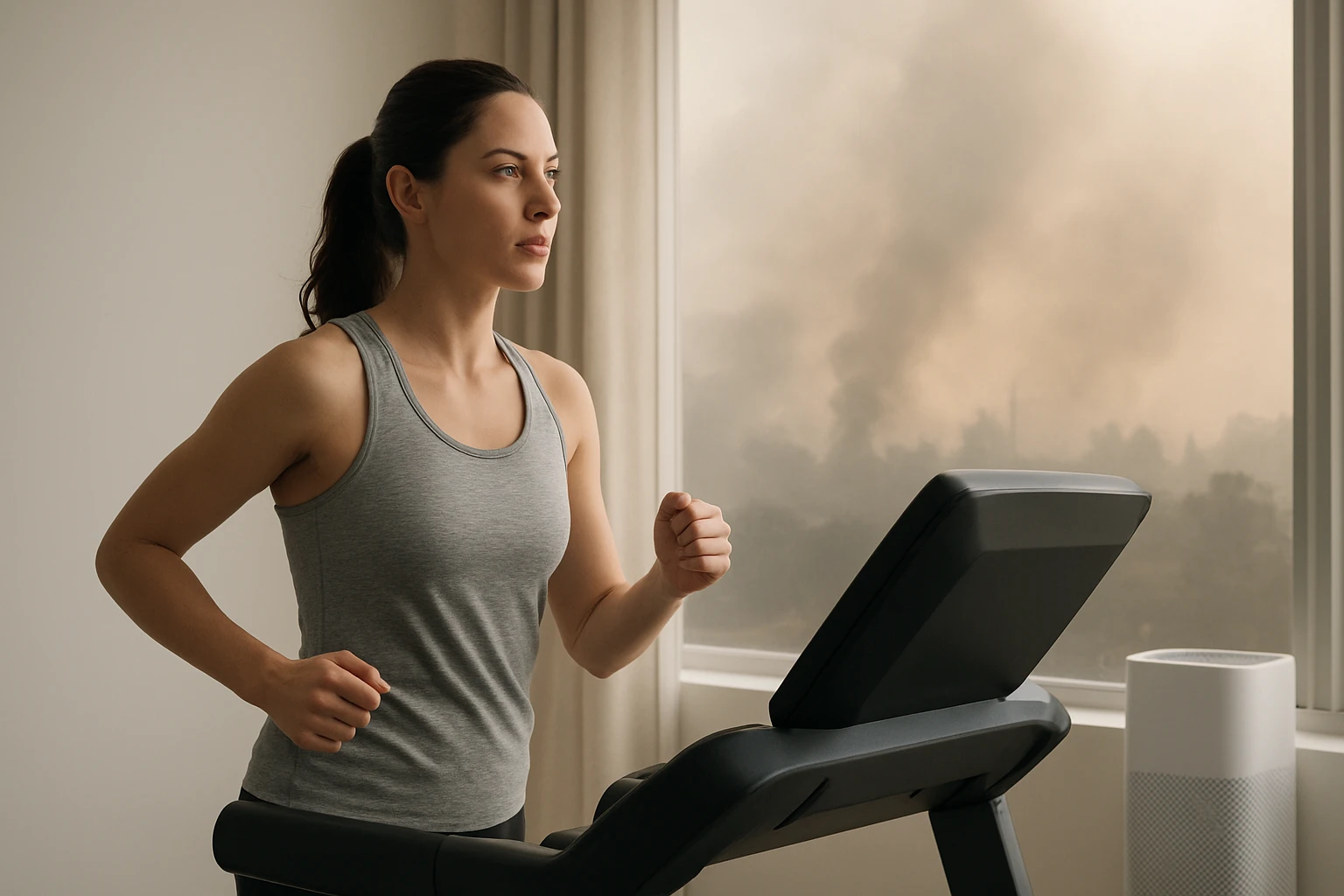
Wildfire smoke has become a seasonal hazard that extends far beyond outdoor recreation, infiltrating homes and affecting indoor air quality. Many fitness enthusiasts wonder whether they can safely continue treadmill workouts when the air outside is hazardous. This guide explains the science behind smoke particles, outlines Air Quality Index (AQI) thresholds for safe indoor exercise, and offers practical solutions such as HEPA filtration and equipment selection. Readers will leave with actionable strategies to protect their health while maintaining an effective cardio routine.
Background and Context
When wildfires burn, they release a complex mixture of gases and fine particulate matter, most notably PM2.5, which measures particles smaller than 2.5 micrometers. These particles can penetrate deep into the lungs, aggravating respiratory conditions and reducing oxygen uptake during vigorous activity. The AQI provides a standardized scale that translates pollutant concentrations into health‑related categories, ranging from "Good" (0‑50) to "Hazardous" (301‑500). Understanding how AQI values interact with indoor environments is essential for making informed decisions about treadmill use.
Indoor spaces are not automatically immune; smoke can infiltrate through open windows, doors, HVAC systems, and even small cracks. However, the degree of infiltration varies based on building tightness, ventilation practices, and filtration technology. By controlling these variables, individuals can create a safer indoor micro‑environment even when outdoor air quality is poor.
Assessing Air Quality Before You Start
Before stepping onto any treadmill, check the local AQI using reputable sources such as the EPA AirNow website or smartphone apps like AirVisual. If the AQI is below 100, most healthy adults can safely exercise indoors with minimal precautions. When the AQI rises above 100, especially into the "Unhealthy for Sensitive Groups" (101‑150) range, additional measures become advisable.
For AQI values exceeding 150, the risk of respiratory irritation increases markedly, and prolonged cardio sessions may exacerbate symptoms. In these circumstances, consider reducing workout intensity, shortening duration, or postponing the session altogether. The following sections outline how to mitigate risk when you decide to exercise despite elevated AQI levels.
Choosing the Right Treadmill for Smoke‑Heavy Environments
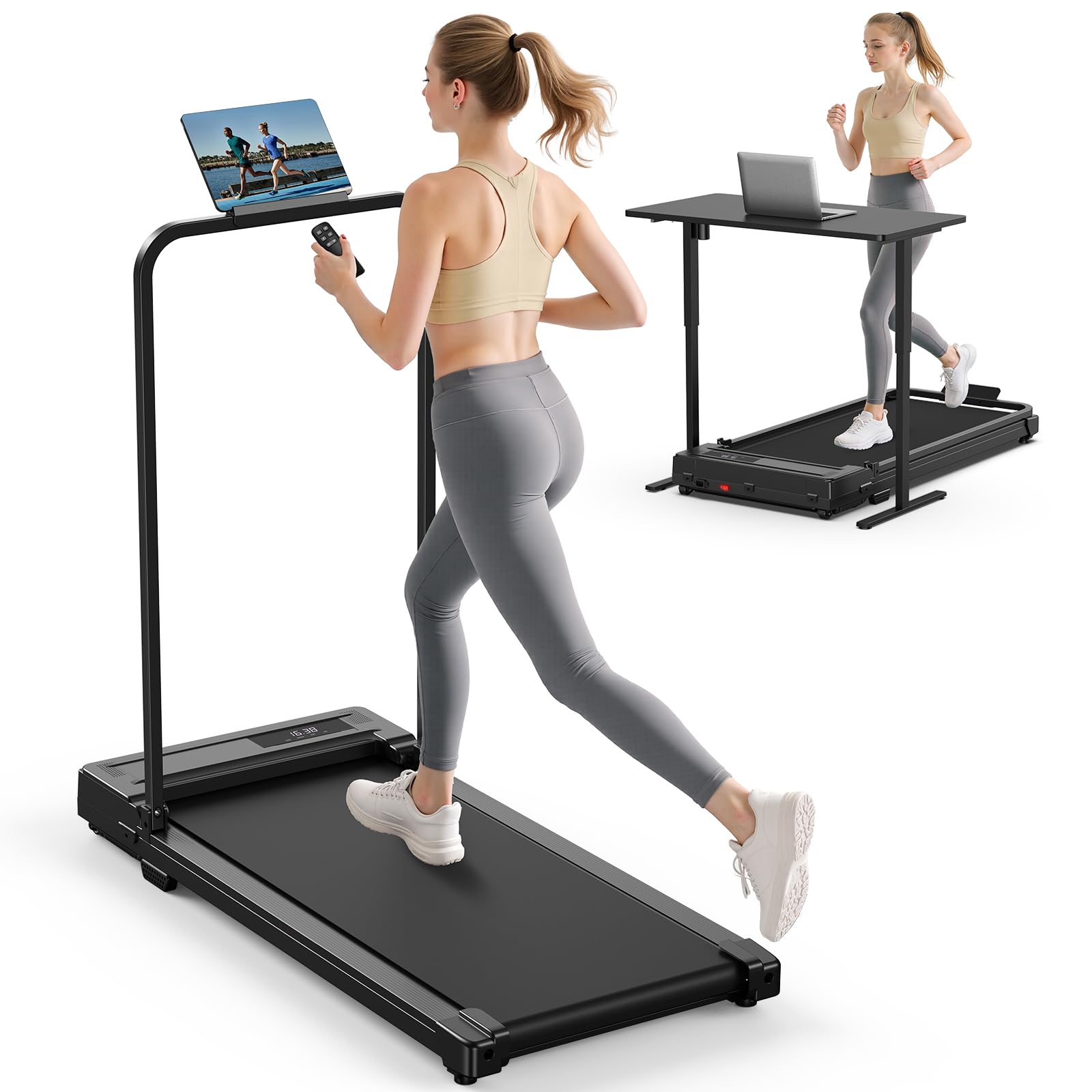
Not all treadmills are equally suited for indoor use during smoky conditions. A compact, low‑profile model that fits beneath a desk or bed can be placed in a room with the best filtration setup, minimizing exposure. The Ulfario Folding Walking Pad exemplifies a product that aligns well with these requirements.
This treadmill offers a folding design with a handle bar, allowing users to store it upright when not in use, thereby preserving floor space for air purifiers. Its powerful yet quiet 440‑watt motor operates at 50‑60 Hz, providing three speed modes ranging from a gentle 0.6 MPH walk to a 4 MPH jog, suitable for low‑impact cardio during smoke events. The device supports a maximum user weight of 264 lb, accommodating a broad range of fitness levels.
Key specifications that enhance safety include a 5‑layer non‑slip belt that reduces joint stress, an LED display that tracks time, speed, calories, and distance, and a detachable phone holder for monitoring air‑quality apps without leaving the treadmill. The unit folds down to 104 × 48.7 × 10.5 cm and features built‑in wheels for effortless relocation to the room with the best filtration.
With a customer rating of 4.1 out of 5 stars from 1,394 reviews, users praise its quiet operation and portability, both of which are valuable when the treadmill is placed near a high‑efficiency particulate air (HEPA) purifier.
HEPA Filtration: Creating a Clean Indoor Zone
High‑Efficiency Particulate Air (HEPA) filters capture at least 99.97 % of particles as small as 0.3 µm, making them highly effective against PM2.5 smoke particles. Position a HEPA air purifier in the same room as your treadmill, ideally within three feet of the device, to ensure that the air you breathe during exercise is continuously cleaned.
When selecting a purifier, consider the Clean Air Delivery Rate (CADR) relative to the room size. A CADR of 250 cfm or higher is recommended for spaces up to 300 sq ft. Additionally, look for models with activated carbon filters to reduce volatile organic compounds (VOCs) that often accompany wildfire smoke.
Run the purifier on its highest setting for at least 30 minutes before beginning your workout to allow the filter to saturate the room air. Keep windows and doors closed to prevent fresh smoke from entering, and avoid using ceiling fans that might circulate contaminated air.
Regular maintenance—replacing filters according to manufacturer guidelines—ensures sustained performance. A well‑maintained HEPA system can reduce indoor PM2.5 concentrations by up to 80 % even when outdoor AQI is hazardous.
Comparison and Selection Guide
| Feature | Ulfario Folding Walking Pad | Typical Full‑Size Treadmill | Considerations |
|---|---|---|---|
| Footprint (folded) | 104 × 48.7 × 10.5 cm | ~150 × 70 cm (non‑foldable) | Compact models fit easily beside a purifier. |
| Maximum Speed | 4 MPH | 12 MPH+ | Lower speeds are sufficient for low‑impact cardio during smoke. |
| Motor Power | 440 W | 1500‑2500 W | Lower power reduces heat generation in a closed room. |
| Noise Level | Quiet (suitable for office) | Moderate‑loud | Quiet operation prevents additional stress in a confined space. |
| Weight Capacity | 264 lb | 300‑350 lb | Adequate for most users; choose based on personal weight. |
When smoke conditions demand a safe indoor workout, prioritize treadmills that are compact, quiet, and easy to relocate near a HEPA purifier. The Ulfario Folding Walking Pad meets these criteria, whereas larger models may occupy valuable space needed for optimal air‑cleaning equipment.
Best Practices & Tips for Safe Indoor Cardio
- Check the AQI before each session and adjust intensity accordingly.
- Run a HEPA purifier on high for at least 30 minutes prior to exercising.
- Place the treadmill near the purifier but maintain at least a 2‑foot gap for airflow.
- Keep windows and doors closed; use weather stripping to seal gaps.
- Wear a breathable mask if you experience any irritation, even indoors.
- Hydrate frequently; smoke can cause dehydration through increased breathing rate.
- Monitor heart rate and perceived exertion; reduce speed if you notice shortness of breath.
These steps create a controlled environment that minimizes inhalation of harmful particles while allowing you to sustain cardiovascular fitness.
Frequently Asked Questions
1. Can I use a treadmill without a purifier if the AQI is moderate (101‑150)?
Yes, but limit the session to 20‑30 minutes, keep intensity low, and ensure the room is well‑sealed. A portable air filter or even a box fan with a DIY filter can provide modest improvement.
2. How often should I replace the HEPA filter during a wildfire season?
Monitor the filter’s indicator light if available; otherwise, replace it every 3‑4 months in heavy smoke conditions, as particle load accelerates wear.
3. Will exercising increase my exposure to smoke particles?
During cardio, breathing rate rises, potentially drawing more particles if air is contaminated. Effective filtration and sealed environments mitigate this risk.
4. Is the Ulfario Walking Pad suitable for high‑intensity interval training (HIIT)?
Its maximum speed of 4 MPH limits true HIIT, but it is ideal for low‑impact interval walking or jog‑walk sessions, which are safer when air quality is poor.
5. What temperature should the room be kept at while using the treadmill?
Maintain a comfortable 68‑72 °F (20‑22 °C). Excessive heat can compound respiratory stress, especially when ventilation is limited.
6. Can I use an air conditioner instead of a purifier?
Air conditioners recirculate indoor air without filtration; they do not remove smoke particles. Pairing an AC with a HEPA purifier is recommended.
7. Should I wear a mask while exercising indoors?
If you experience irritation, a lightweight, breathable mask designed for exercise can provide additional protection without hindering airflow.
Conclusion
Exercising on a treadmill during wildfire smoke is feasible when the indoor environment is carefully managed. By monitoring AQI, employing a high‑efficiency HEPA purifier, and selecting a compact, quiet treadmill such as the Ulfario Folding Walking Pad, individuals can protect their respiratory health while maintaining fitness. Implementing the best‑practice tips outlined above further reduces risk and ensures a comfortable workout experience. Remember, when AQI reaches hazardous levels, postponing the session remains the safest option.
Products Featured in This Guide
Ulfario Folding Walking Pad
Rating: 4.1 out of 5 stars (1,394 reviews)
Why it is featured: Its compact, foldable design and quiet 440 W motor make it ideal for placement beside a HEPA purifier in smoke‑filled environments, allowing safe indoor cardio without sacrificing space.