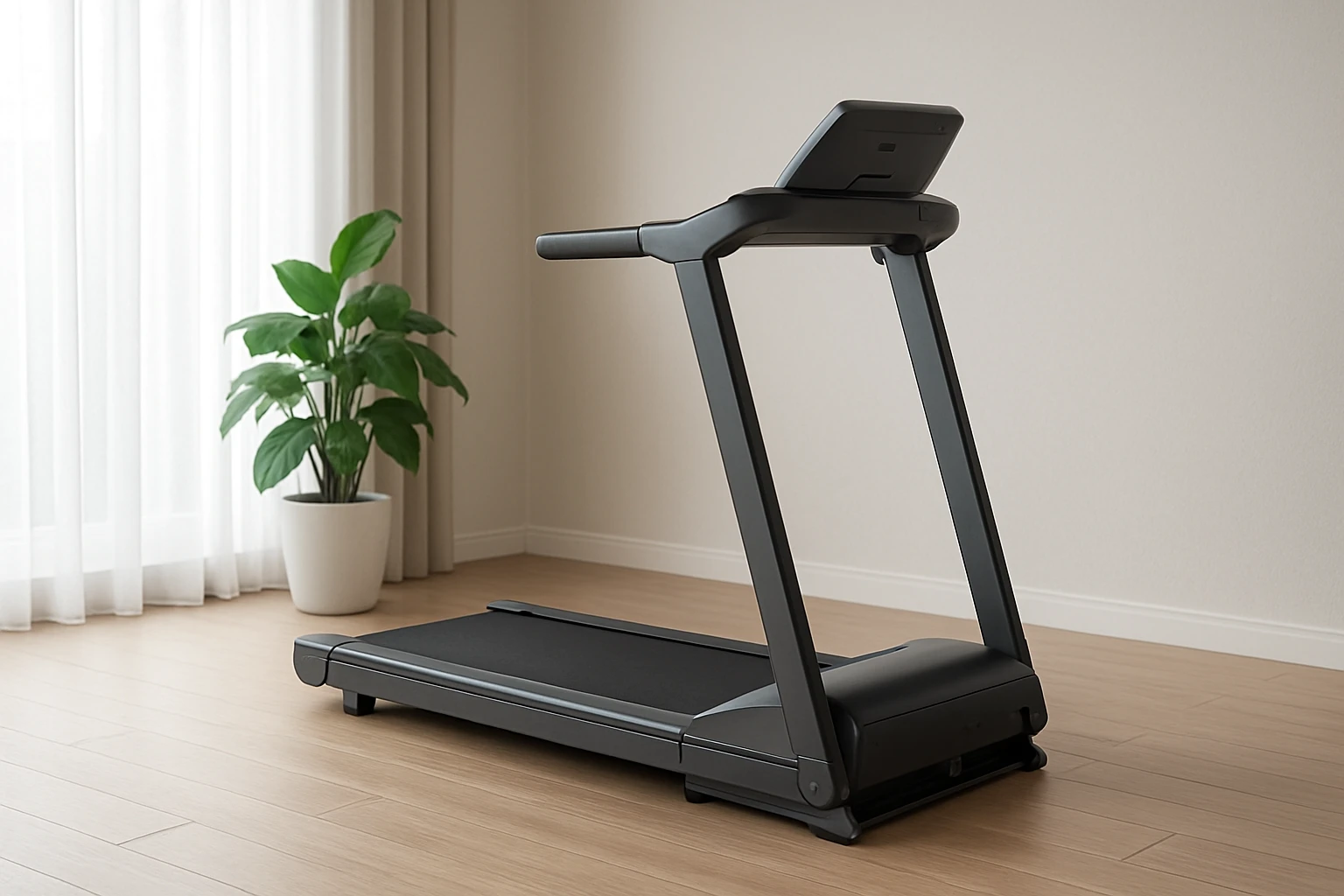
Are Folding Treadmills Environmentally Friendly? A Practical Guide to Energy Use, Environmental Impact & Eco‑Friendly Alternatives
Introduction
Folding treadmills have become a staple in home gyms because they combine space‑saving design with the convenience of indoor cardio. This guide examines how those benefits translate into environmental outcomes. Readers will learn about the energy consumption of folding treadmills, the materials that compose them, and practical steps to reduce their ecological footprint while staying fit.
The article also highlights two well‑reviewed models that illustrate different design philosophies. By the end, one will understand how to select a treadmill that aligns with both fitness goals and sustainability values.
Each section builds on foundational concepts, offering actionable advice for environmentally conscious consumers.
All product information is drawn from verified Amazon listings and reflects current pricing, specifications, and customer ratings.
Background and Context
Understanding the environmental impact of a folding treadmill requires knowledge of three core areas: energy consumption during operation, the embodied carbon of materials, and end‑of‑life disposal. Energy use is measured in kilowatt‑hours (kWh) and depends on motor size, speed, incline, and usage patterns. A typical 2.5 HP motor draws approximately 0.75 kW at moderate speed, while a 3.0 HP brushless motor may use up to 1 kW during high‑intensity intervals.
Materials such as steel frames, aluminum alloys, and high‑density plastics each carry a carbon cost from extraction to manufacturing. Folding mechanisms add extra hardware, often increasing steel content. Recycling rates for these metals vary by region, making product durability a key factor in reducing waste.
Finally, the end‑of‑life phase includes options for resale, donation, or recycling. Products with modular components simplify disassembly, allowing more material to be reclaimed.
With this context, the guide can evaluate specific treadmill models against sustainability criteria.
Energy Efficiency and Operational Impact
When a treadmill runs, the motor converts electrical energy into mechanical motion. The efficiency of that conversion depends on motor technology. Brushless motors, like the one found in the Aiteid Portable Treadmill, typically achieve 85‑90 % efficiency, reducing wasted heat and lowering electricity bills.
In contrast, the Trailviber Walking Pad employs a 2.5 HP motor that, while powerful, may be slightly less efficient at peak incline settings. However, its auto‑incline feature allows users to achieve higher calorie burn without increasing speed, potentially shortening workout duration and overall energy use.
To quantify impact, consider a 30‑minute session at 5 km/h with a 6 % incline. The Trailviber draws roughly 0.75 kW, resulting in 0.375 kWh per session. Over a year of three weekly sessions, the total is about 58 kWh, equivalent to the electricity used by a typical refrigerator for a few months.
Energy‑saving strategies include using lower speeds with incline, exercising during off‑peak hours, and turning off the treadmill promptly after use.
Material Sustainability and Build Quality
The durability of a treadmill influences its environmental footprint. A longer‑lasting product reduces the frequency of replacement, thereby lowering the cumulative embodied carbon. Both featured treadmills boast robust construction, yet they differ in material composition.
The Trailviber Walking Pad supports up to 450 lb and utilizes a double‑deck steel frame with a five‑layer anti‑slip belt. Its heavy‑duty design suggests a longer service life, which aligns with sustainability goals.
The Aiteid Portable Treadmill, while lighter at a 300 lb capacity, incorporates a steel frame and a six‑layer running belt with silicone shock absorbers. Its brushless motor and compact folding mechanism make it suitable for small spaces, but the lower weight capacity may limit its lifespan for heavier users.
When evaluating sustainability, consider the availability of replacement parts. Both brands provide spare belts and motor components, facilitating repair rather than disposal.
Choosing a treadmill with a modular design can also simplify recycling at the end of its useful life.
Comparison and Selection Guide
| Feature | Trailviber Walking Pad | Aiteid Portable Treadmill |
|---|---|---|
| Motor Power | 2.5 HP (quiet) | 3.0 HP brushless |
| Incline | 0‑12 % auto, 9 levels | Manual 0‑12 % |
| Weight Capacity | 450 lb | 300 lb |
| Screen | RGB LED, multi‑color | LED display |
| Bluetooth Speaker | Integrated | None |
| Price | $329.00 | $189.99 |
| Rating (as of listing) | 4.8/5 (2,144 reviews) | 4.3/5 (713 reviews) |
For users prioritising high weight capacity, incline variety, and integrated audio, the Trailviber Walking Pad stands out. Its auto‑incline system reduces manual adjustments, encouraging consistent use and potentially lowering overall energy consumption.
Conversely, the Aiteid Portable Treadmill offers a more affordable entry point, a brushless motor for quieter operation, and a compact footprint. It is ideal for apartments where space and budget constraints dominate decision‑making.
When making a selection, assess the following criteria:
- Usage Frequency: Frequent users benefit from higher durability and auto‑incline features.
- Space Availability: Folding size and weight influence storage convenience.
- Energy Priorities: Brushless motors reduce electricity draw.
- Budget: Initial cost versus long‑term maintenance expenses.
By weighing these factors, one can choose a treadmill that meets fitness objectives while minimizing environmental impact.
Best Practices & Tips for Eco‑Friendly Treadmill Use
Even the most efficient treadmill can become a source of waste if used irresponsibly. The following practices help maximize sustainability:
- Optimize Workout Duration: Use incline to increase intensity, allowing shorter sessions that consume less electricity.
- Power Management: Enable any built‑in power‑saving mode, and always unplug the unit when not in use for extended periods.
- Maintain the Belt: Regularly lubricate the running belt according to manufacturer instructions to reduce motor strain.
- Recycle Packaging: Repurpose or recycle cardboard and plastic packaging that accompanies the treadmill.
- Donate or Resell: When upgrading, consider donating a still‑functional treadmill to schools or community centers.
- Use Renewable Energy: If possible, plug the treadmill into a home solar system to offset electricity consumption.
Implementing these steps not only reduces carbon emissions but also extends the lifespan of the equipment.
Frequently Asked Questions
1. Do folding treadmills consume more electricity than stationary models?
Not necessarily. Energy use is primarily determined by motor size and usage patterns, not by whether the frame folds. Both the Trailviber and Aiteid models consume comparable power to traditional non‑folding treadmills of similar horsepower.
2. Can I recycle a treadmill at the end of its life?
Yes. Most manufacturers accept trade‑ins for recycling, and local e‑waste facilities can process steel frames, aluminum components, and electronic parts. Choose a model with modular parts to simplify disassembly.
3. How does a brushless motor improve environmental performance?
Brushless motors generate less heat and have higher electrical efficiency, meaning they convert a greater proportion of electricity into motion. This reduces overall energy consumption and extends motor lifespan.
4. Is the auto‑incline feature more energy‑intensive?
Auto‑incline itself uses minimal power; the additional energy comes from the motor working against gravity. Because it enables higher calorie burn at lower speeds, total workout time may decrease, offsetting the extra load.
5. What is the carbon footprint of manufacturing a treadmill?
Estimates vary, but a typical steel‑frame treadmill can emit 200‑300 kg of CO₂ during production. Selecting a durable model and extending its usable life are effective ways to amortize that impact.
6. Are there certifications to look for?
Look for ENERGY STAR‑qualified electronics, recycled‑material claims, or ISO 14001 environmental management certification from the manufacturer.
7. How can I track my treadmill’s energy use?
Plug the treadmill into a smart plug that reports real‑time kWh consumption. Many smart home platforms provide historical data to help identify peak usage periods.
Conclusion
Folding treadmills can be environmentally friendly when chosen wisely and operated responsibly. By prioritizing energy‑efficient motors, durable construction, and end‑of‑life recyclability, consumers reduce both carbon emissions and waste. The Trailviber Walking Pad exemplifies a high‑capacity, feature‑rich option with auto‑incline and integrated audio, while the Aiteid Portable Treadmill offers an affordable, brushless‑motor alternative for space‑constrained environments.
Applying the best‑practice tips—optimizing workout intensity, managing power, and extending product life—ensures that the health benefits of indoor cardio do not come at the expense of the planet.
With informed decision‑making, one can enjoy the convenience of a folding treadmill while supporting a more sustainable future.
Products Featured in This Guide
Trailviber Walking Pad
Price: $329.00 | Rating: 4.8/5 (2,144 reviews)
Featured for its 12 % auto‑incline, 450 lb capacity, RGB LED display, and built‑in Bluetooth speaker—features that illustrate high performance, durability, and user‑centric design.
Aiteid Portable Treadmill
Price: $189.99 | Rating: 4.3/5 (713 reviews)
Featured for its brushless 3.0 HP motor, manual 12 % incline, compact folding design, and affordable price point—making it a practical entry for eco‑conscious beginners.