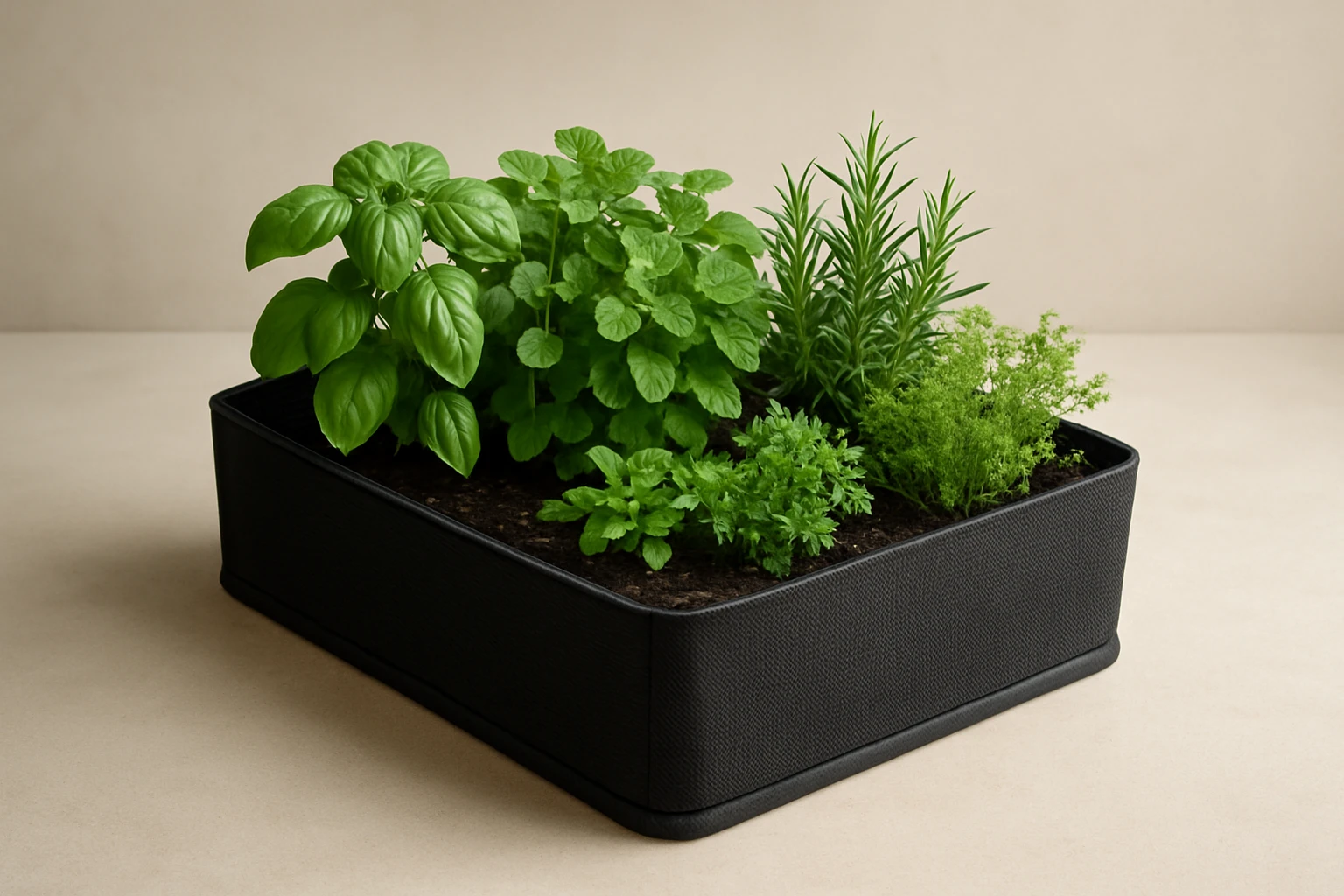

Introduction
This guide teaches the reader how to repurpose a worn treadmill belt into a contemporary garden planter that enhances curb appeal while reducing waste. One will discover the environmental benefits of upcycling, the aesthetic value of a modern planter, and the practical steps required to complete the project safely. The instructions are organized so that a hobbyist with basic tools can follow them without prior experience in carpentry or landscaping. By the end of the article, the reader will possess a functional planter ready for seasonal planting and a deeper appreciation for sustainable design.
What You’ll Need
- Old treadmill belt (cleaned and inspected)
- Measuring tape and marker
- Utility knife or rotary cutter
- Heavy‑duty scissors
- Silicone adhesive suitable for outdoor use
- Rubber mallet
- Optional: sandpaper for edge smoothing
- Veradek Span Tall Planter – a durable, all‑weather planter that will house the upcycled belt
Step‑by‑Step Instructions
1. Prepare the Treadmill Belt
Begin by removing the belt from the treadmill frame, taking care to disengage any tension springs according to the equipment manual. One should clean the belt with mild soap and water, then allow it to dry completely to prevent mold growth inside the planter. After drying, inspect the belt for tears; minor cuts can be sealed with silicone adhesive, while major damage may require replacement. Finally, lay the belt flat on a protected surface and measure the desired length based on the planter dimensions.
2. Cut the Belt to Size
Using a measuring tape, mark the belt at the length that will wrap around the interior of the Veradek Span Tall Planter with a small overlap for a secure fit. A utility knife or rotary cutter provides a clean edge, but heavy‑duty scissors can be used for thicker sections. Cut slowly to maintain a straight line; uneven cuts can cause gaps that allow soil to escape. Sand the cut edge lightly to remove any jagged fibers that could irritate the hands during installation.
3. Create a Support Frame (Optional)
If the belt lacks sufficient rigidity, construct a simple wooden frame using 1x2 pine strips that match the planter’s interior dimensions. The frame adds structural support and prevents the belt from sagging under the weight of soil. Secure the frame with a rubber mallet and wood glue, ensuring that all corners are square. This step is optional because the high‑grade polypropylene of the Veradek Span Tall Planter already provides a sturdy container.
4. Attach the Belt to the Planter
Apply a continuous bead of outdoor‑grade silicone adhesive along the interior lip of the planter where the belt will sit. Press the belt firmly against the adhesive, aligning the overlap with the marked seam. Use a rubber mallet to tap the belt gently, ensuring full contact and eliminating air pockets. Allow the adhesive to cure for at least 24 hours before adding any soil, as recommended by the adhesive manufacturer.
5. Install the Removable Insert Bucket
The Veradek Span Tall Planter includes a removable insert bucket that simplifies planting and reduces the weight of the full container. Place the bucket inside the belt‑lined planter, making sure it sits level on the base. The bucket’s smooth plastic surface prevents soil from adhering to the belt, facilitating seasonal changes. If desired, add a layer of landscape fabric between the belt and the bucket for extra moisture control.
6. Fill with Soil and Plant
Select a high‑quality potting mix appropriate for the intended plants; a well‑draining blend is ideal for outdoor containers. Fill the bucket to within two inches of the rim, then create planting holes according to the spacing recommendations of each plant species. Gently place the plants, firm the soil around the roots, and water thoroughly to settle the medium. The belt’s flexibility allows it to expand slightly as the soil settles, maintaining a tight seal.
7. Position and Maintain
Place the completed planter in a location that receives the recommended sunlight for the chosen plants, whether full sun, partial shade, or full shade. The UV‑protected polypropylene of the Veradek Span Tall Planter prevents fading and cracking, ensuring long‑term durability even in harsh climates. Water the plants according to their needs, and monitor the belt for any signs of wear or moisture accumulation.
Tips & Pro Tips
- Use a drip irrigation system with a timer to maintain consistent moisture without over‑watering.
- Apply a thin coat of exterior paint to the visible portion of the belt for added color coordination with the planter.
- When changing seasonal plants, remove the insert bucket rather than the entire belt to minimize mess.
- Consider adding decorative stones or mulch on the soil surface to improve drainage and visual appeal.
Troubleshooting
- Problem: Soil leaks through the belt seams.
Solution: Re‑apply silicone adhesive along the seam and allow it to cure fully before refilling. - Problem: Belt detaches after heavy rain.
Solution: Verify that the adhesive used is rated for outdoor exposure and consider adding additional support brackets. - Problem: Plants wilt quickly.
Solution: Check that the soil mix provides adequate drainage and that the planter is not placed in a wind‑exposed area.
Conclusion
The reader has learned how to transform an obsolete treadmill belt into a sleek, eco‑friendly garden planter that complements modern outdoor spaces. By following the step‑by‑step instructions, one can create a functional planter that leverages the durability of the Veradek Span Tall Planter and the flexibility of repurposed fitness equipment. This project demonstrates that sustainable design can be both practical and aesthetically pleasing, encouraging further upcycling endeavors.
Products Mentioned in This Guide
Frequently Asked Questions
Can any old treadmill belt be used for the planter?
Yes, as long as the belt is clean, intact, and free of cracks or excessive wear.
What basic tools are required for the upcycling project?
You only need a measuring tape, marker, utility knife or rotary cutter, heavy‑duty scissors, silicone adhesive, and a rubber mallet.
Is the silicone adhesive safe for outdoor use?
A silicone adhesive rated for exterior applications is water‑resistant and suitable for garden planters.
How do I provide drainage for the planter?
Place a layer of small stones or gravel at the bottom and ensure the belt’s edges are slightly elevated to allow excess water to escape.
What are the environmental benefits of upcycling a treadmill belt?
It diverts rubber waste from landfills, reduces the need for new materials, and gives a functional, stylish addition to your garden.