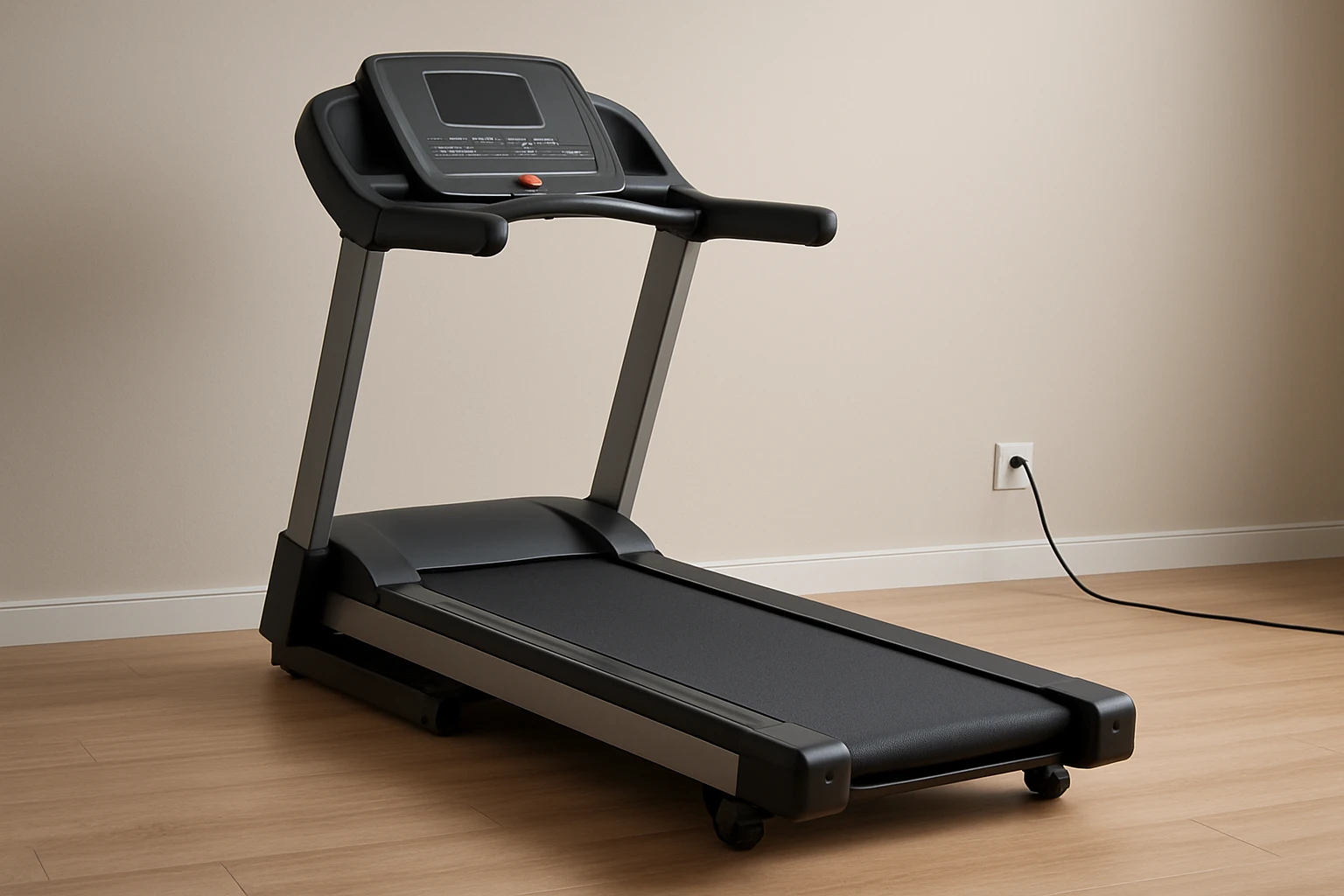

How to Diagnose Intermittent Power Cuts on a Folding Treadmill: Step‑by‑Step Troubleshooting and Fixes
Introduction
Intermittent power cuts on a folding treadmill can disrupt workouts, cause frustration, and potentially damage the motor if left unresolved. This guide explains how to systematically identify the root cause of power interruptions, perform safe repairs, and verify that the treadmill operates reliably. By following the steps, one will gain confidence in basic electrical diagnostics and extend the lifespan of the equipment.
The instructions are written for users with intermediate technical aptitude; no professional electrician is required, but safety remains paramount. The guide also highlights a specific treadmill model that exemplifies the features discussed, allowing readers to compare their own unit with a well‑designed example.
What You’ll Need
- A set of insulated screwdrivers (Phillips and flat‑head)
- Digital multimeter capable of measuring voltage, continuity, and resistance
- Electrical contact cleaner spray
- Compressed air canister
- Replacement power cord (if damage is suspected)
- Optional: LONTEK 3‑in‑1 Foldable Treadmill for comparative testing
All tools should be in good condition, and the multimeter must be calibrated before use. The optional treadmill model is included to illustrate how a well‑engineered unit avoids many common power issues.
Step‑by‑Step Instructions
1. Ensure Safety and Power Isolation
Before opening the treadmill, disconnect it from the wall outlet and press the emergency stop button to discharge any stored energy in the motor. Verify that the power plug is removed from the socket and that the outlet itself is switched off at the circuit breaker. This precaution prevents accidental shock while inspecting internal components.
Using a multimeter, test the outlet for voltage to confirm that it is indeed de‑energized. Set the meter to AC voltage, insert the probes into the outlet’s slots, and ensure the reading is zero. If voltage remains, contact a qualified electrician before proceeding.
2. Inspect the Power Cord and Plug
Examine the external power cord for visible cuts, fraying, or exposed wires. Pay special attention to the area where the cord bends near the plug, as repeated flexing often leads to internal breakage. If any damage is observed, replace the cord with a compatible, UL‑listed replacement.
To test continuity, set the multimeter to the resistance (Ω) mode, place one probe on the plug’s hot pin and the other on the corresponding wire at the opposite end of the cord. A reading of near zero ohms indicates an intact connection; a high resistance suggests a break that must be repaired or the cord replaced.
3. Verify the Internal Power Switch and Fuse
Many folding treadmills incorporate an internal power switch or a fuse that protects the motor from overload. Locate the switch on the console or inside the housing, and ensure it toggles cleanly without sticking. A faulty switch can cause intermittent power loss during operation.
If the treadmill is equipped with a fuse, remove it and inspect the filament for discoloration or breakage. Replace a blown fuse with one of identical rating (typically 5 A, 250 V). After replacement, re‑assemble the console and proceed to the next step.
4. Test the Motor Power Connections
Open the motor housing by removing the side panels using the insulated screwdrivers. Locate the motor’s power connector, which usually consists of a multi‑pin plug. Disconnect the connector and inspect the pins for corrosion, bent contacts, or debris.
Apply a small amount of electrical contact cleaner to the pins and allow it to dry. Re‑connect the plug and use the multimeter to measure voltage at the motor terminals while the treadmill is powered (do not touch moving parts). A stable 120 V (or 230 V, depending on region) reading confirms a solid connection; fluctuating voltage indicates a loose or damaged wire.
5. Examine the Control Board for Faulty Solder Joints
The control board regulates motor speed and receives input from the console. Intermittent power cuts often stem from cracked solder joints or damaged components on this board. Visually scan the board for cracked solder, burnt spots, or bulging capacitors.
If any defects are identified, re‑solder the joint using a fine‑tip soldering iron and appropriate solder. For severe damage, consider ordering a replacement board from the manufacturer. The LONTEK 3‑in‑1 Foldable Treadmill features a robust, well‑ventilated control enclosure that minimizes such issues, serving as a benchmark for quality design.
6. Check the Belt and Deck Sensors
Modern treadmills use optical or magnetic sensors to monitor belt speed. If the belt slips or the sensor cable becomes loose, the system may interpret a fault and cut power to protect the motor. Ensure the belt is properly tensioned and that the sensor alignment is correct.
Secure any loose sensor cables with zip ties and clean the sensor lenses with a lint‑free cloth. After adjustments, run the treadmill at low speed and observe whether the power remains stable.
7. Perform a Full Power Cycle Test
Re‑connect the treadmill to the outlet, switch the internal power back on, and start the machine at the lowest speed setting. Observe the console display for any error codes and listen for unusual noises. Allow the treadmill to run for at least ten minutes, noting any momentary power interruptions.
If the treadmill operates without interruption, the issue has been resolved. If power cuts persist, repeat the diagnostic steps, focusing on the area where the interruption first occurred.
8. Use a Reference Treadmill for Comparison (Optional)
Having a second, known‑good treadmill can help isolate whether the problem lies in the power source or the unit itself. The LONTEK 3‑in‑1 Foldable Treadmill offers a 3.0 HP brushless motor, a 16 % incline capability, and a 12‑mode automatic program suite, making it an excellent benchmark. By running the reference treadmill on the same outlet, one can confirm that the electrical circuit supplies stable power.
Should the reference unit run without issues, the original treadmill’s internal components are the likely cause. Conversely, if both units experience cuts, the problem may be external, such as a faulty outlet or circuit overload.
Tips & Pro Tips
- Always work on a dry surface and wear insulated gloves when handling electrical components.
- Label each cable before disconnecting it to avoid mis‑wiring during re‑assembly.
- Use compressed air to clear dust from the motor housing and control board; excess dust can cause overheating and power shutdowns.
- When re‑soldering, avoid excessive heat that could damage nearby components.
- Consider installing a surge protector between the treadmill and the wall outlet to guard against voltage spikes.
Troubleshooting Common Problems
| Symptom | Possible Cause | Solution |
|---|---|---|
| Power cuts after 5 minutes | Overheating motor due to dust | Clean motor vents, replace air filter if present |
| Intermittent flickering display | Loose console power connector | Secure connector, re‑solder if pins are corroded |
| Random shutdown when speed increased | Faulty speed sensor cable | Inspect, clean, and reseat sensor cable |
Conclusion
Diagnosing intermittent power cuts on a folding treadmill involves a systematic inspection of the power cord, internal switches, motor connections, control board, and sensors. By following the step‑by‑step procedure, one can safely identify the faulty component, replace or repair it, and restore reliable operation. The optional comparison with the LONTEK 3‑in‑1 Foldable Treadmill illustrates how thoughtful design reduces the likelihood of such issues. Regular maintenance, including cleaning and periodic inspection of cables, will further prevent future power interruptions.
Products Mentioned in This Guide
Frequently Asked Questions
What are the most common reasons for intermittent power cuts on a folding treadmill?
Loose power‑cord connections, worn motor brushes, and a faulty safety‑key switch are the typical culprits.
Do I need a professional electrician to troubleshoot treadmill power issues?
No; with insulated screwdrivers and a digital multimeter, most owners can safely diagnose the problem.
How can I safely test the treadmill’s power cord for continuity?
Unplug the treadmill, set the multimeter to continuity, and probe each cord lead; a beep means the circuit is intact.
What role does the safety key switch play in power interruptions?
A loose or defective safety key can intermittently break the circuit to protect the user, causing random shutdowns.
How often should I clean the treadmill’s electrical contacts to prevent power cuts?
Cleaning contacts with contact‑spray and compressed air every 3–6 months helps maintain reliable connections.