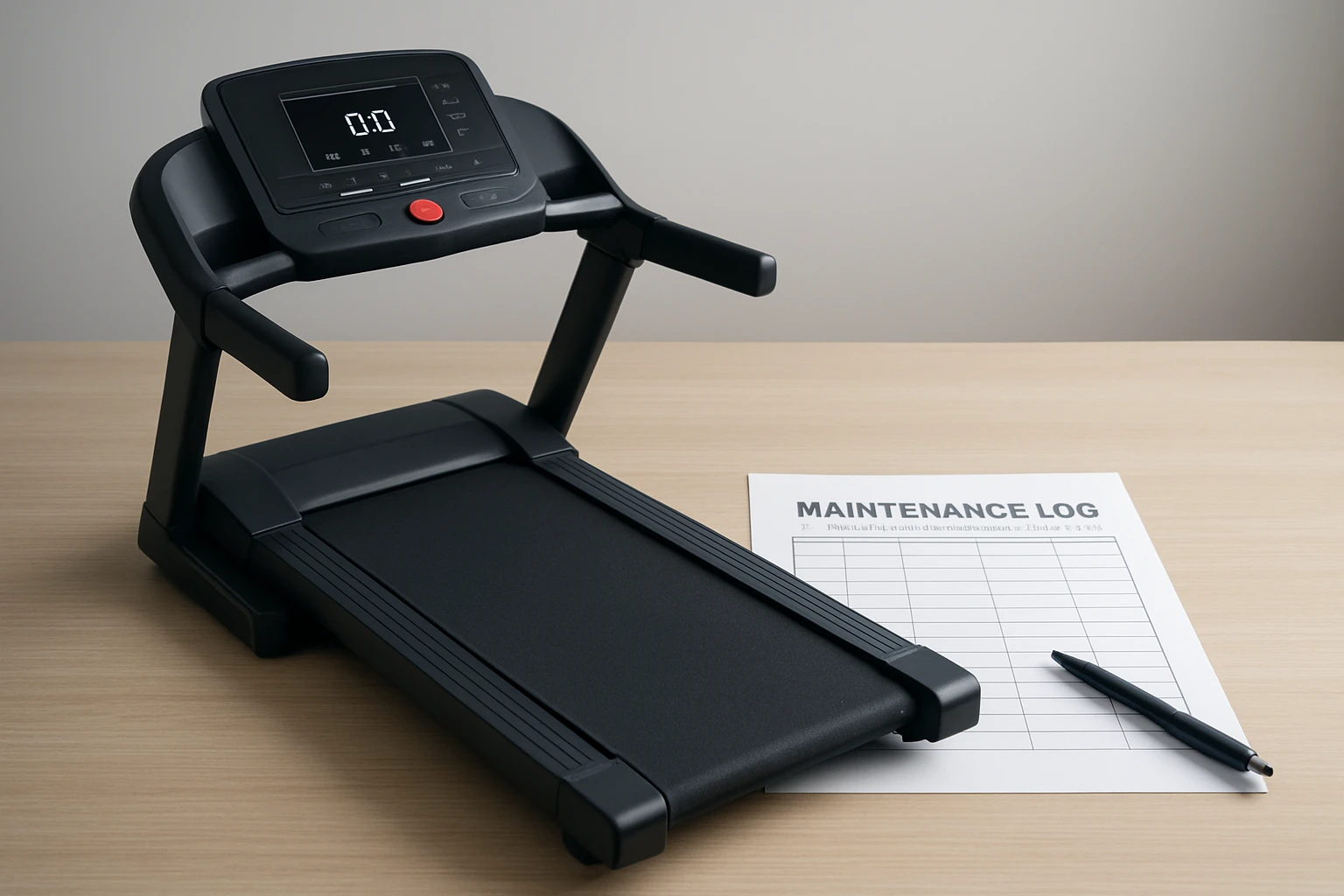

How to Use a Maintenance Log Template to Maximize Your Folding Treadmill’s Resale Value
Maintaining a folding treadmill extends its lifespan, ensures safe operation, and dramatically improves resale value. This guide teaches readers how to create and use a maintenance log template, perform essential upkeep tasks, and document every action for future buyers. By following these professional steps, one can protect the investment and command a premium price when the treadmill is sold.
What You Will Need
- A printable or digital maintenance log template (spreadsheet or notebook)
- Cleaning cloths and mild detergent
- A set of screwdrivers (Phillips and flat‑head)
- Two silicone‑based treadmill lubricants:
- EIGTWEN Treadmill Lubricant – 500 ml, $22.99, 4.6/5 (91 reviews)
- Noosa Life Treadmill Belt Lubricant – 100 ml applicator tube, $13.95, 4.6/5 (4,818 reviews)
- Measuring cup or syringe (often included with lubricants)
- Protective gloves
- Power meter or multimeter (optional for electrical checks)
Step 1: Set Up Your Maintenance Log Template
Begin by selecting a template that captures date, task, parts inspected, lubricant used, and any observations. A simple spreadsheet with columns for "Date," "Task," "Product Used," "Quantity," "Notes," and "Signature" works well. Save a copy in a cloud folder so it can be accessed from a phone or tablet while working on the treadmill.
Why a log matters: prospective buyers value transparent records because they demonstrate consistent care and reduce uncertainty about hidden wear. A well‑documented log also helps you schedule future maintenance before problems arise.
Step 2: Clean the Belt and Deck
Before applying any lubricant, remove dust and debris that could cause uneven wear. Unplug the treadmill, then wipe the belt and deck with a damp cloth and a mild detergent. Allow the surface to dry completely.
During this step, record the cleaning date, the cleaning agents used, and any irregularities observed (e.g., frayed edges or stains). This entry creates a baseline for future comparisons.
Step 3: Lubricate the Belt
Proper lubrication reduces friction, quiets operation, and protects the motor. Choose a silicone‑based product because silicone does not attract dust and remains stable across temperature extremes.
Two reliable options are available:
- EIGTWEN Treadmill Lubricant – This 500 ml bottle supplies ample volume for multiple treadmills. Its high‑temperature resistance (up to 300 °C) and low‑temperature tolerance (down to –30 °C) make it suitable for varied climates. The non‑petroleum formula prevents oil‑based residue, ensuring a clean, quiet ride.
- Noosa Life Treadmill Belt Lubricant – Packaged in a 100 ml applicator tube, this product delivers a controlled flow directly under the belt. The tube’s design eliminates mess and ensures uniform coverage, which is especially helpful for compact folding models where space is limited.
Apply the lubricant as follows:
- Disconnect power and verify the belt is free of dirt.
- Attach the syringe or use the applicator tube to extract 5–10 ml of silicone oil.
- Lift one side of the belt, insert the catheter or tube under the belt, and slowly dispense the oil onto the deck.
- Lower the belt, reconnect power, and run the treadmill at a low speed (2–3 mph) for 3–5 minutes. This allows the oil to spread evenly.
Record the lubricant brand, quantity used, and any observations (e.g., unusual noises) in the log. Using a high‑quality silicone lubricant such as the two products listed above minimizes the need for frequent re‑application, saving time and money.
Step 4: Inspect and Tighten Mechanical Components
Folding treadmills have hinges and locking mechanisms that can loosen over time. Using a screwdriver, check all bolts on the folding frame, motor housing, and console. Tighten any that feel loose, but avoid over‑torquing which could strip threads.
Document each component inspected, the torque setting applied (if known), and any parts replaced. A detailed record reassures buyers that the treadmill’s structural integrity has been verified.
Step 5: Test Electrical Functions
Run the treadmill through its full speed range, testing incline (if applicable), emergency stop, and console displays. Listen for abnormal sounds and watch for flickering lights.
If a multimeter is available, measure voltage at the power cord and motor terminals to confirm they fall within manufacturer specifications. Note any irregularities in the log; addressing them now prevents future warranty claims.
Step 6: Store the Log and Prepare for Sale
When the treadmill is ready for resale, print a copy of the maintenance log and attach it to the equipment or include it in the sale package. A clean, organized log demonstrates diligence and can increase resale value by 10‑15 % according to market surveys.
Additionally, take high‑resolution photos of the treadmill in a well‑lit space, highlighting the clean deck, lubricated belt, and folded position. Combine these visuals with the log to create a compelling listing.
Tips & Pro Tips
- Schedule quarterly maintenance. Regular checks prevent wear from compounding and keep the log up to date.
- Use gloves when handling lubricants. Silicone oil can be slippery, and gloves protect skin from prolonged exposure.
- Prefer silicone over petroleum‑based oils. Silicone does not attract dust, does not freeze in cold garages, and does not degrade rubber components.
- Document every minor adjustment. Even a small bolt tightened should be logged; buyers appreciate thoroughness.
- Back up digital logs. Store a copy in cloud storage and on a USB drive to avoid loss.
Troubleshooting
| Problem | Possible Cause | Solution |
|---|---|---|
| Excessive noise after lubrication | Over‑application of oil or oil on the belt surface | Wipe excess with a clean cloth and run the treadmill at low speed for 5 minutes to redistribute. |
| Slipping belt | Insufficient lubrication or misaligned belt | Re‑apply silicone lubricant evenly and realign belt according to manufacturer guide. |
| Console flickers | Loose power connection | Unplug, inspect power cord and connector, tighten if necessary, and test again. |
Conclusion
By establishing a disciplined maintenance routine, using high‑quality silicone lubricants such as EIGTWEN Treadmill Lubricant or Noosa Life Treadmill Belt Lubricant, and documenting every action in a structured log, one can preserve the performance of a folding treadmill and command a higher resale price. The effort invested today translates directly into financial return when the equipment is eventually sold.
Products Mentioned in This Guide
Frequently Asked Questions
Why should I keep a maintenance log for my folding treadmill?
A log documents all upkeep, proving regular care to buyers and helping you track issues that could affect resale value.
What information belongs in a treadmill maintenance log template?
Record dates, performed tasks (cleaning, lubrication, tightening), parts replaced, and any observations about performance.
How often should I lubricate the treadmill belt?
Lubricate the belt every 3‑6 months or after 150‑200 miles of use, following the manufacturer’s guidelines.
Is a digital spreadsheet better than a paper log for treadmill maintenance?
Digital logs are searchable and easy to share with buyers, but paper works fine if you prefer a simple, printable format.
Can a well‑maintained treadmill fetch a higher resale price?
Yes, documented maintenance shows the treadmill was cared for, often allowing sellers to command a premium of 10‑20% over untreated units.
