Introduction
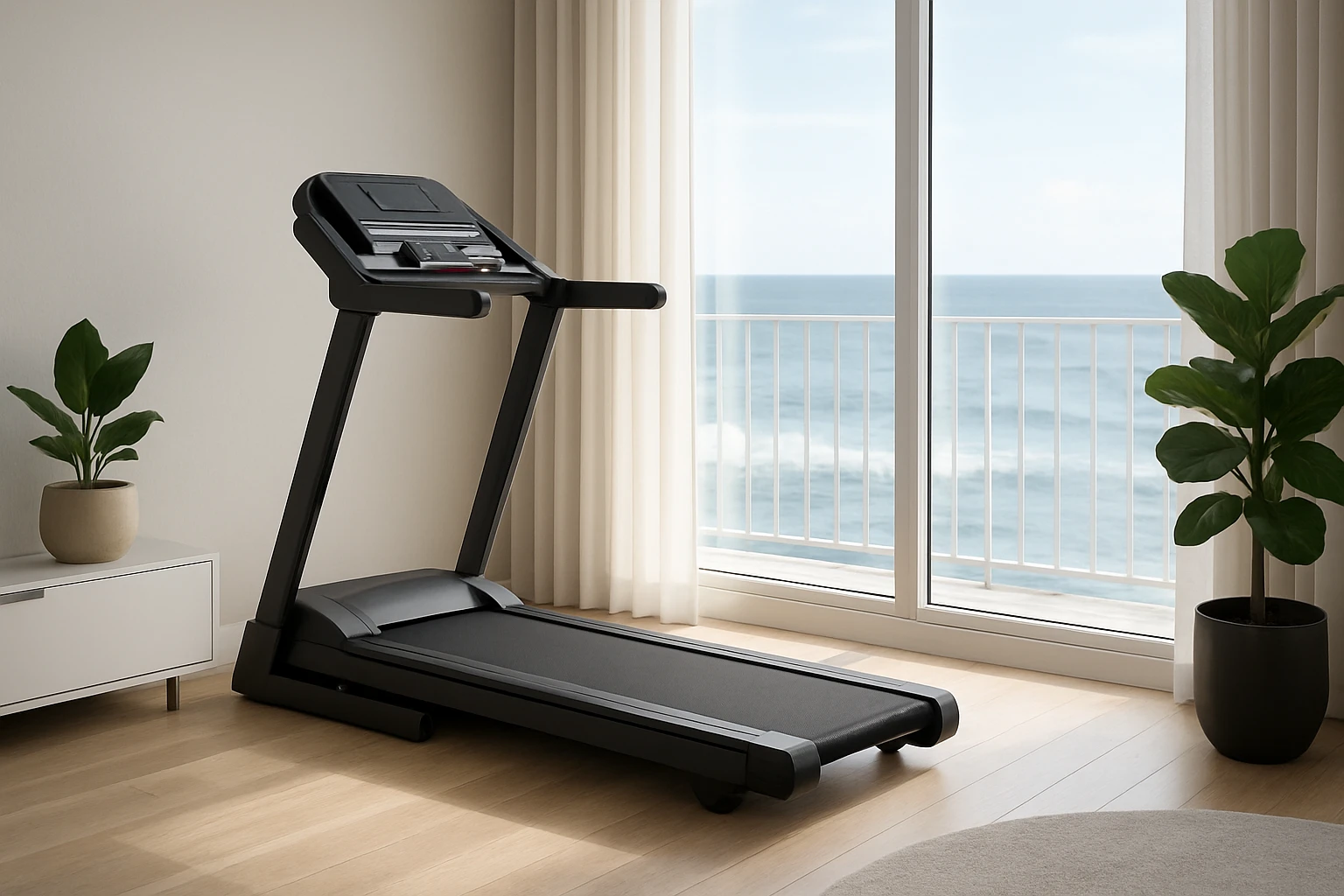
Living in a coastal apartment offers beautiful sea views, but the persistent humidity can accelerate rust and corrosion on a folding treadmill. This guide explains how to create a protective environment, maintain mechanical components, and extend the machine's useful life. Readers will learn practical assessment techniques, preventive measures, and routine maintenance tasks that are both affordable and effective. By following these steps, one can enjoy reliable cardio sessions without costly repairs.
What You’ll Need
- QWORK Waterproof Treadmill Cover – $17.47, 4.5 stars (382 reviews)
- Zettum 600D Treadmill Dust Cover – $39.99, 4.4 stars (74 reviews)
- Noosa Silicone Treadmill Lubricant – $13.95, 4.6 stars (4,822 reviews)
- IMPRESA Silicone Treadmill Lubricant – $12.98, 4.6 stars (9,789 reviews)
- Digital hygrometer (optional but recommended)
- Soft microfiber cloths
- Silicone‑based rust inhibitor spray
Step 1: Assess the Ambient Humidity
Begin by measuring the relative humidity in the room where the treadmill is stored. Place a digital hygrometer near the equipment and record readings at different times of day for a full 24‑hour cycle. Coastal apartments often register 70‑80% humidity, which exceeds the ideal 40‑55% range for metal components. If the values consistently exceed 60%, additional dehumidification measures become necessary.
Step 2: Create a Controlled Storage Environment
When the treadmill is not in use, store it in a location that limits exposure to salty air and moisture. If a dedicated closet is unavailable, use a sturdy, waterproof cover to act as a barrier. The QWORK Waterproof Treadmill Cover is designed with 420D oxford cloth, offering water resistance and dust protection. Its adjustable drawstring ensures a snug fit around folded dimensions of up to 46" L × 38" W × 66" H, preventing moisture ingress while allowing easy removal via a cord lock.
For users who prefer a slightly heavier, wind‑proof solution, the Zettum 600D Treadmill Dust Cover provides a 600D oxford fabric with a PU coating, offering superior durability and UV resistance. Its wind‑proof drawstring and Velcro back make it simple to secure, while the breathable yet waterproof material reduces condensation buildup. Choosing between the two depends on whether one values lightweight portability (QWORK) or extra ruggedness for outdoor storage (Zettum).
Step 3: Manage Room‑Level Humidity
Invest in a compact dehumidifier to lower overall moisture levels, especially during rainy seasons. Set the device to maintain humidity between 45% and 55%, which balances comfort and metal preservation. Position the dehumidifier near the treadmill but allow sufficient airflow around the machine to avoid localized damp spots. In addition, run an exhaust fan or open windows briefly after cooking to disperse humid air.
Step 4: Apply Protective Lubrication to Moving Parts
Lubricating the treadmill belt and deck reduces friction, which can otherwise generate heat and attract moisture. Silicone‑based lubricants are ideal because they repel water and do not attract dust. The Noosa Silicone Treadmill Lubricant comes in a 100 ml applicator tube that slides under the belt, delivering a uniform silicone film. Its USA‑manufactured formulation ensures consistent quality, and the odorless composition prevents unpleasant smells during workouts.
Alternatively, the IMPRESA Silicone Treadmill Lubricant provides a 4‑ounce Boston round bottle with a precision twist top and an extension tube for targeted application. Users report that this product offers longer‑lasting slip resistance, supporting up to 100 hours of use before re‑application. Both lubricants receive 4.6‑star ratings, indicating high satisfaction among treadmill owners.
To apply, lift the treadmill deck according to the manufacturer’s instructions, place the applicator tube under the belt, and dispense a thin, continuous line across the belt width. Rotate the belt slowly to spread the silicone evenly. Allow the belt to sit for five minutes before resuming use, ensuring the lubricant has settled.
Step 5: Implement Routine Inspection and Maintenance
Schedule a bi‑monthly inspection to detect early signs of corrosion, such as surface rust or discoloration on metal frames and bolts. Use a soft microfiber cloth lightly dampened with distilled water to wipe away salt deposits, then dry the area thoroughly. For any visible rust, apply a silicone‑based rust inhibitor spray, which creates a protective film that repels moisture without interfering with moving parts.
During each inspection, verify that the protective cover remains tightly sealed and that the hygrometer continues to report acceptable humidity levels. Replace the cover if it shows signs of wear, such as torn seams or faded fabric, because compromised integrity can allow water to seep through.
Tips & Pro Tips
- Place a small silica gel pack inside the cover pouch; it absorbs residual moisture and prolongs the cover’s effectiveness.
- When cleaning the treadmill deck, avoid oil‑based cleaners; they can leave residues that attract humidity.
- Rotate the treadmill belt direction every few weeks to promote even wear and prevent moisture pooling in one area.
- If the apartment experiences seasonal salt spray, consider a secondary plastic sheet beneath the cover for added barrier protection.
- Store the cover in a dry cabinet when not in use to prevent it from becoming a moisture source itself.
Troubleshooting
Problem: Persistent rust despite using a cover.
Solution: Verify that the cover fits tightly; gaps allow salty air to infiltrate. Replace the cover if seams are compromised, and increase room dehumidification capacity.
Problem: Belt slipping after lubrication.
Solution: Excess lubricant can cause slippage. Wipe off surplus with a clean cloth and re‑apply a thinner layer, ensuring an even coating.
Conclusion
Maintaining optimal humidity for a folding treadmill in a coastal apartment requires a combination of environmental control, protective covering, proper lubrication, and regular inspection. By following the five detailed steps, one can prevent rust, reduce corrosion, and significantly extend the treadmill’s lifespan. The recommended products—covers and lubricants—offer cost‑effective, high‑quality solutions that complement diligent maintenance practices. Implement these strategies today and enjoy a reliable, rust‑free cardio experience for years to come.
Products Mentioned in This Guide
Frequently Asked Questions
How does coastal humidity affect a folding treadmill?
High humidity accelerates rust and corrosion on metal parts, reducing the treadmill’s lifespan.
What is the best way to protect a treadmill from moisture in a coastal apartment?
Use a waterproof treadmill cover and store the machine in a dry, well‑ventilated area when not in use.
How often should I lubricate the treadmill belt in a humid environment?
Apply silicone lubricant every 1–2 months, or sooner if you notice squeaking or increased friction.
Can a dust cover help prevent rust on a treadmill?
Yes, a dust cover blocks moisture and airborne salts, providing an extra barrier against corrosion.
What routine maintenance tasks keep a treadmill running smoothly in high humidity?
Regularly wipe down the frame, inspect bolts for rust, lubricate the belt, and ensure the cover is securely fitted after each workout.