Introduction
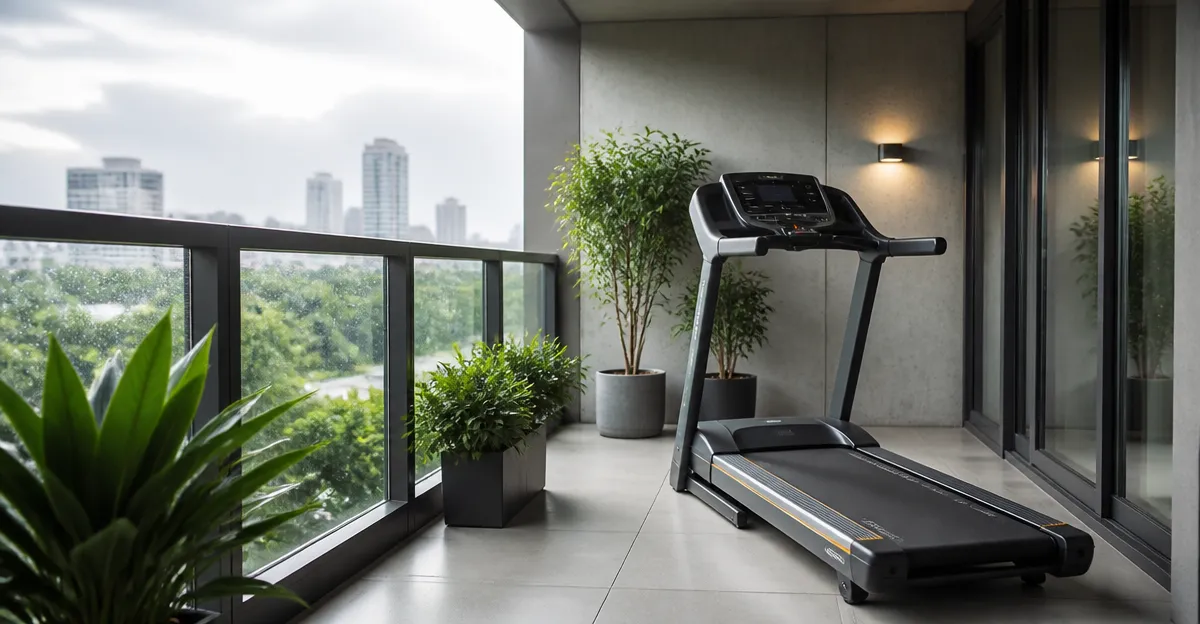
Balcony treadmills provide a convenient way to exercise while enjoying fresh air, yet the outdoor environment introduces unique challenges. Moisture, temperature fluctuations, and limited ventilation can foster mold growth, cause material degradation, and generate unpleasant odors. This guide explains the science behind these problems, outlines preventive strategies, and recommends proven products that enhance moisture control. Readers will leave with a clear plan to protect their equipment and maintain a healthy workout space.
Background and Context
Understanding why mold thrives on balcony treadmills requires a brief review of fungal biology and the micro‑climate of outdoor decks. Mold spores are ubiquitous in the atmosphere; they become active when humidity exceeds 60 % and a food source such as rubber, fabric, or metal corrosion is present. Balconies often experience condensation after rain, dew, or high humidity, especially in temperate regions where temperature swings are common. Without proper management, these conditions accelerate degradation of treadmill belts, motor housings, and upholstery.
Understanding Mold Growth on Balcony Treadmills
The first step in prevention is recognizing the early signs of mold activity. Visible black or green patches, a musty smell, and a slippery treadmill surface indicate that spores have colonized the material. Mold produces enzymes that break down organic compounds, leading to weakening of the belt and potential corrosion of internal components. Over time, unchecked growth can void warranties, increase electricity consumption, and create health risks for users with allergies or asthma.
Two primary factors drive mold formation on balconies: relative humidity and surface temperature. When warm, moist air contacts a cooler treadmill frame, condensation forms a thin water film that serves as a nutrient medium. This phenomenon is amplified during evenings, early mornings, or after a rainstorm when ambient humidity peaks. Therefore, controlling both ambient moisture and surface temperature is essential for long‑term protection.
Environmental Controls and Moisture Management
Effective moisture management begins with proper placement of the treadmill. Position the unit away from direct wall contact to allow air circulation on all sides, and elevate it on a moisture‑resistant platform if the balcony floor is prone to water pooling. Using a weather‑proof cover when the treadmill is not in use creates a physical barrier that reduces exposure to rain and dew.
Ventilation is another critical component. Installing a small, low‑noise exhaust fan or opening balcony doors during dry periods promotes air exchange, decreasing relative humidity around the equipment. In climates where humidity remains high, a portable dehumidifier can dramatically lower moisture levels, creating an environment where mold cannot thrive.
Temperature regulation complements humidity control. Many modern treadmills feature built‑in cooling fans; however, these fans do not reduce ambient humidity. Pairing the treadmill with a device that can maintain a stable temperature—such as a space heater during cold, damp evenings—prevents condensation on the machine’s surface.
Product Recommendations for Moisture Control
Among portable dehumidifiers, the Onsekin Portable Dehumidifier stands out for balcony applications. It offers a 2.5 L water tank, a 3.3 ft drain hose, and a compact footprint of 9.8 × 6.4 × 15.7 in, making it easy to place beside a treadmill without obstructing movement. The unit covers up to 2,000 ft², which comfortably exceeds the typical balcony size, and its whisper‑quiet operation at 46 dB ensures that workout sessions remain uninterrupted.
Key features that enhance its suitability include a digital hygrometer that samples air every three seconds, allowing precise humidity set‑points between 35 % and 45 %—ideal for protecting rubber belts and electronic components. The touch‑panel interface offers a timer, sleep mode, and an audible alert when the water tank reaches capacity, preventing overflow onto the treadmill. Additionally, the dehumidifier’s low power consumption (adjusted to 62.5 % in sleep mode) aligns with energy‑saving goals for outdoor setups.
For users seeking additional protection, a breathable, UV‑resistant treadmill cover can be combined with the dehumidifier. Look for covers that feature zippered openings for power cords and ventilation slots to avoid trapping moisture inside. Together, these solutions create a multi‑layered defense against mold, moisture damage, and odors.
Comparison and Selection Guide
When choosing a moisture‑control device for a balcony treadmill, consider the following criteria:
- Coverage Area: Ensure the unit can handle the square footage of your balcony plus a safety margin.
- Tank Capacity: Larger tanks reduce the frequency of emptying; a 2.5 L capacity is adequate for most residential balconies.
- Noise Level: Devices operating below 50 dB will not interfere with workout music or conversation.
- Power Consumption: Energy‑efficient models lower electricity costs, especially when used continuously during humid seasons.
- Control Interface: Touch panels with digital humidity readouts simplify adjustments and provide real‑time feedback.
Based on these factors, the Onsekin Portable Dehumidifier ranks highly due to its broad coverage, quiet operation, and intelligent sensor system. Competing models may offer larger tanks but often sacrifice portability or generate excessive noise, which can be disruptive on a balcony where space is limited.
Best Practices & Tips
Beyond equipment, daily habits play a vital role in mold prevention. After each workout, wipe down the treadmill’s belt and frame with a lint‑free cloth to remove sweat, which can serve as a nutrient for mold spores. Allow the machine to air dry for at least 15 minutes before covering it or storing it away.
Schedule regular maintenance checks every two weeks during humid months. Inspect the water tank of the dehumidifier, clean the filter, and verify that the drain hose is free of blockages. Replace any worn‑out treadmill belts or upholstery promptly, as damaged surfaces retain moisture more readily.
Implement a seasonal routine: during the rainy season, run the dehumidifier continuously at a humidity set‑point of 40 %; in the dry season, reduce operation to a timer‑based schedule that runs for one hour after sunset. This approach balances energy use with effective moisture control.
Finally, consider integrating a smart plug that can automate the dehumidifier based on humidity sensor data from a separate hygrometer. Automation ensures consistent protection even when the user is away, reducing the risk of unnoticed mold development.
Frequently Asked Questions
- Can I use a regular household dehumidifier on my balcony? While standard units can reduce humidity, many are not designed for outdoor exposure and may suffer corrosion. A portable, weather‑resistant model like the Onsekin Portable Dehumidifier is specifically built to withstand balcony conditions.
- How often should I empty the dehumidifier’s tank? The 2.5 L tank typically fills within 8‑10 hours of operation in high humidity. Empty it when the audible alert sounds or set a timer to check daily during peak moisture periods.
- Will a treadmill cover alone prevent mold? A cover reduces direct exposure to rain but does not address ambient humidity. Pairing a cover with active dehumidification yields the best results.
- Is it safe to run the dehumidifier while the treadmill is in use? Yes; the dehumidifier operates quietly (46 dB) and does not emit heat that could affect treadmill performance.
- What humidity level is optimal for treadmill longevity? Maintaining relative humidity between 35 % and 45 % minimizes moisture absorption by rubber and metal components while preventing excessive dryness that could crack upholstery.
- Can I place the dehumidifier directly under the treadmill? The device should be positioned beside the treadmill to allow unobstructed airflow and easy access to the water tank.
- Do I need a separate power outlet for the dehumidifier? The Onsekin model includes a 59‑inch cord that plugs directly into a standard 120 V outlet, eliminating the need for extension cords.
Conclusion
Preventing mold, moisture damage, and odors on balcony treadmills requires a combination of environmental control, regular maintenance, and appropriate equipment. By understanding the conditions that foster mold, implementing ventilation and temperature strategies, and employing a reliable dehumidifier such as the Onsekin Portable Dehumidifier, users can safeguard their investment and enjoy a healthy workout environment year‑round. Consistent application of the best practices outlined in this guide will ensure that the treadmill remains functional, odor‑free, and aesthetically pleasing for years to come.
Products Featured in This Guide
Onsekin Portable Dehumidifier
Price: $99.99 | Rating: 4.6/5.0 (163 reviews)
Why it is featured: This compact, quiet, and energy‑efficient dehumidifier offers precise humidity control, a sizable 2.5 L tank, and a drain hose suitable for balcony spaces. Its ability to cover up to 2,000 ft² and operate at only 46 dB makes it an ideal companion for protecting balcony treadmills from mold, moisture damage, and odors.