Introduction
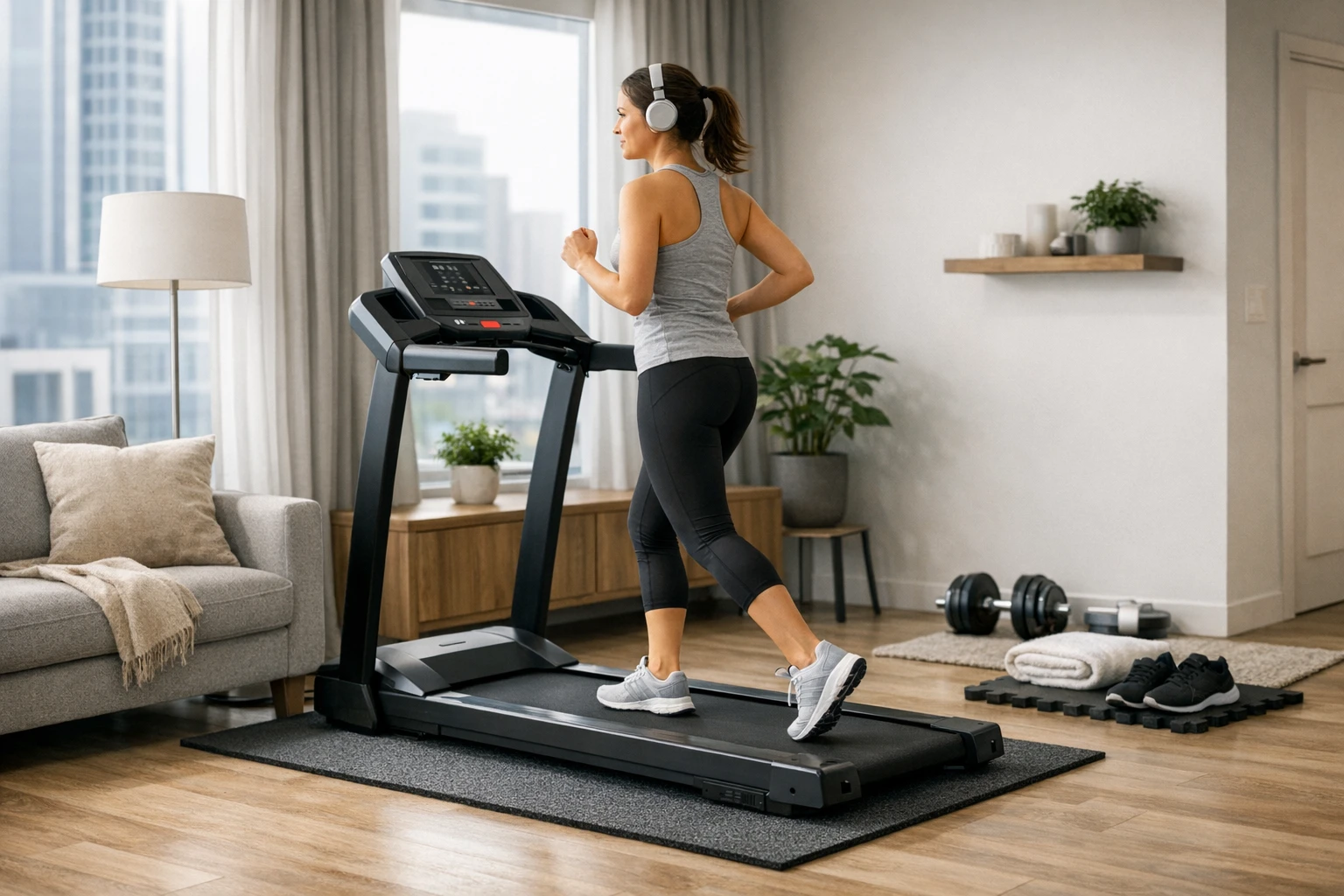
Living in an apartment often requires careful management of sound, especially when a treadmill is part of a daily routine. Excessive vibration and noise can disturb neighbours, reduce personal comfort, and even affect the longevity of the equipment. Understanding practical methods to minimise these disturbances can transform a cramped workout space into a harmonious environment.
This article presents twelve straightforward strategies, each supported by real‑world products that have received positive feedback from users. By combining behavioural adjustments with targeted accessories, one can achieve a quieter, more stable treadmill experience without compromising performance.
12 Easy Ways to Reduce Treadmill Noise
- Place a Steel‑Reinforced Mat Under the Treadmill
A solid foundation is the most effective way to dampen vibration. The BXI Heavy Duty Equipment Mats provide a 4 × 4 inch footprint with an internal steel plate that distributes weight evenly. Each mat supports over 1,000 pounds, making them suitable for most home treadmills. Priced at $49.99 for a pack of four and rated 4.5/5 stars from 396 reviews, users praise their ability to “soak up the foot pounding” and eliminate floor‑level rattling. The anti‑slip design also prevents the treadmill from shifting during intense intervals. - Use a Large Protective Floor Mat
When space permits, a larger surface area can further reduce impact. The THAILE Treadmill Floor Mat measures 68 × 24 inches and is constructed from high‑density PVC. At $28.99 and a 4.5/5‑star rating from 422 reviewers, it offers heavy‑duty protection for hardwood, carpet, and tile. Customers note that the mat “absorbs vibration, reducing noise generated by various equipment types,” while its foldable design allows easy storage when not in use. - Combine Small Pads with a Larger Mat
For treadmills with narrow footplates, pairing a large mat with small, high‑traction pads can fill gaps and enhance stability. The Rolitwils Treadmill Mat Pads are 4 × 4 inch silicone pads that feature a double‑sided non‑slip texture. Priced at $9.99 for four pads and rated 4.3/5 stars, they absorb up to 60% of vibration and protect hardwood from scratches. Users report that the pads “hold the footstool in place” and “prevent sliding,” making them an excellent complement to a larger floor mat. - Choose High‑Density Rubber for Maximum Damping
Rubber’s natural elasticity makes it an ideal material for vibration isolation. The Coolrunner Treadmill Mats are made from high‑density rubber, each measuring 3.9 × 3.9 inches and weighing only 3.45 oz. At $9.99 for a set of four and a 4.6/5‑star rating, these mats are praised for “reducing vibration and noise” while remaining easy to store. Their thin profile makes them suitable for tight spaces where larger mats would be impractical. - Lubricate the Treadmill Belt Regularly
A dry belt can generate squeaking and uneven motion, amplifying floor vibration. The Action Fitness Silicone Treadmill Lubricant is a 4 oz bottle of 100% silicone oil designed for quiet operation. Priced at $9.99 and holding a 4.8/5‑star rating from 481 reviews, it includes an 11‑inch extension tube for precise under‑belt application. Reviewers highlight that the lubricant “takes the squeaks out of the belt” and “makes the belt move much better now.” - Secure the Treadmill to the Floor
Even with mats, a treadmill can shift during high‑speed runs. Using a combination of non‑slip pads (such as the Rolitwils pads) and a larger anti‑vibration mat creates a friction‑rich surface that resists movement. This approach is especially useful on polished hardwood where slipping is more likely. - Adjust the Treadmill’s Incline Gradually
Sudden changes in incline increase motor strain and generate additional noise. By increasing or decreasing the incline in small increments, the motor operates more smoothly, reducing the transmission of vibration to the floor. - Maintain Proper Footwear
Worn shoes can produce extra impact noise that travels through the treadmill frame. Wearing well‑cushioned, low‑profile athletic shoes helps to absorb foot strike, thereby lowering the overall sound level. - Place a Rug or Carpet Under the Mat
If the apartment already has a carpet, positioning a thin rug beneath the protective mat adds an extra layer of insulation. The combination of carpet fibers and a rubber mat creates a multi‑stage damping system that significantly cuts noise. - Use a Foldable Mat for Portable Workouts
For renters who need to store equipment out of sight, the THAILE mat’s foldable design is advantageous. When folded, it measures 9.84 × 12 inches, allowing it to fit into a closet or under a bed. This convenience encourages consistent use of the mat, ensuring that noise reduction is maintained over time. - Schedule Workouts During Low‑Traffic Hours
Even the best damping solutions cannot eliminate all sound. Planning treadmill sessions during times when neighbours are less likely to be home—such as early mornings or late evenings—minimises the impact of any residual noise. - Regularly Inspect and Tighten Bolts
Loose bolts in the treadmill frame can cause rattling that amplifies floor vibration. A quick monthly inspection and tightening of all fasteners ensures the machine remains rigid, thereby reducing noise transmission.
Comparison of Key Noise‑Reduction Products
| Product | Size | Material | Price | Rating |
|---|---|---|---|---|
| BXI Heavy Duty Equipment Mats | 4 × 4 in (4 pcs) | Rubber with steel plate | $49.99 | 4.5/5 (396) |
| THAILE Treadmill Floor Mat | 68 × 24 in | High‑density PVC | $28.99 | 4.5/5 (422) |
| Rolitwils Treadmill Mat Pads | 4 × 4 in (4 pcs) | Silicone, double‑sided | $9.99 | 4.3/5 (123) |
| Coolrunner Treadmill Mats | 3.9 × 3.9 in (4 pcs) | High‑density rubber | $9.99 | 4.6/5 (109) |
| Action Fitness Silicone Treadmill Lubricant | 4 oz bottle | 100% silicone oil | $9.99 | 4.8/5 (481) |
Conclusion
Reducing treadmill noise in an apartment does not require expensive renovations; a combination of proper equipment placement, high‑quality damping accessories, and routine maintenance can achieve a quiet workout environment. By selecting the appropriate mat or pad for one’s flooring type, lubricating the belt regularly, and following behavioural best practices, residents can protect both their neighbours and their own fitness experience.
Implementing these twelve strategies will not only lower vibration and sound but also extend the lifespan of the treadmill, resulting in lower long‑term costs. Choose the products that best match the specific layout of the apartment, and enjoy a peaceful, effective exercise routine.
Frequently Asked Questions
How does a steel‑reinforced mat reduce treadmill noise?
The mat’s internal steel plate spreads the treadmill’s weight, dampening vibrations that would otherwise amplify through the floor.
Can I use a regular rubber mat instead of a heavy‑duty equipment mat?
A regular rubber mat helps, but heavy‑duty mats with steel reinforcement provide superior vibration isolation for louder treadmills.
What treadmill placement tips minimize sound in an apartment?
Place the treadmill on a flat surface, center it away from shared walls, and use a mat to absorb impact.
Do treadmill accessories like belt lubricants affect noise levels?
Yes, proper lubrication reduces friction, leading to smoother operation and less rattling noise.
Is it safe to stack multiple mats for extra noise reduction?
Stacking two mats can increase damping, but ensure the treadmill remains stable and the combined height doesn’t affect the incline mechanism.