Treadmill Noise Etiquette for Apartment Buildings: How to Run Quietly & Respect Your Neighbors
Introduction
Living in an apartment building often requires a delicate balance between personal fitness goals and communal living standards. This guide explains how treadmill noise can affect neighboring units and provides actionable strategies to mitigate that impact. Readers will learn about floor protection, acoustic treatment, proper equipment placement, and courteous habits that preserve peace while maintaining an effective workout routine. By the end of the article, one will possess a comprehensive plan to run quietly without sacrificing performance.
Background & Context
Modern treadmills generate vibration and impact forces that travel through flooring structures, creating audible rumble and structural resonance. In multi‑unit buildings, these vibrations can be transmitted through concrete slabs, wooden joists, and drywall, reaching adjacent apartments as unsettling noise. Understanding the physics of vibration transmission helps identify effective mitigation measures. Materials with high density and damping properties absorb kinetic energy, while acoustic panels reduce airborne sound reflections. Both approaches complement each other to create a quieter environment.
Floor Protection Solutions
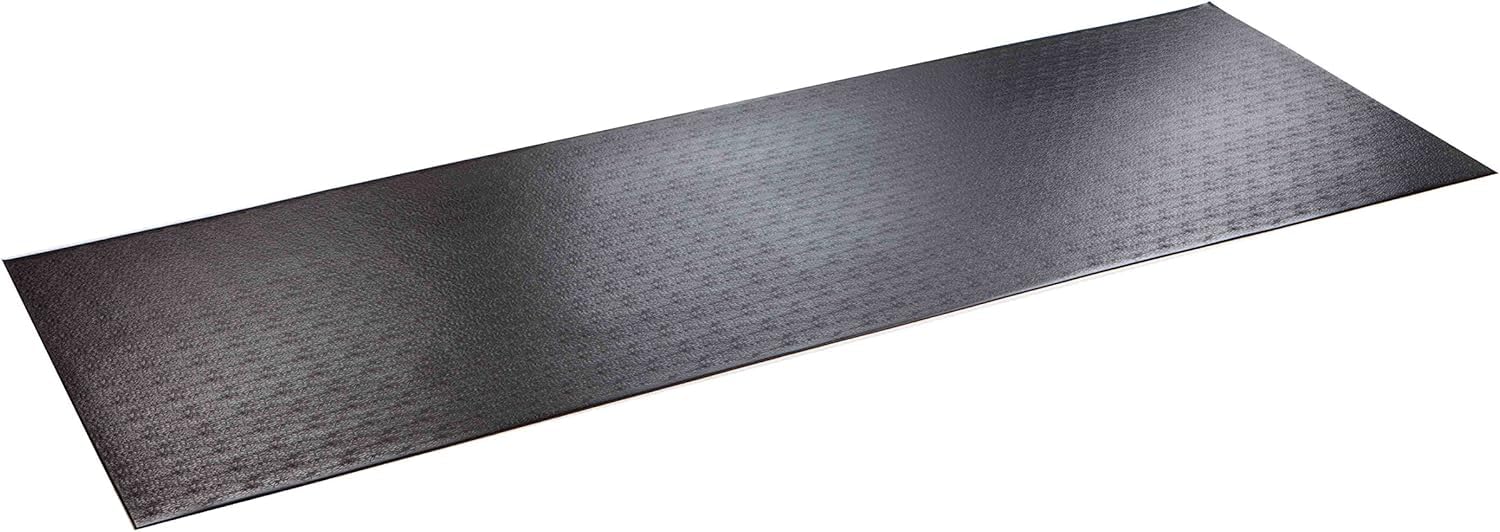
One of the most direct methods to reduce treadmill noise is to place the machine on a purpose‑built floor mat. A high‑density mat isolates the treadmill from the subfloor, dampening vibration and protecting the underlying surface. The SuperMats Equipment Mat is specifically engineered for commercial‑grade equipment and offers several advantages.
- Dimensions of 36” x 102” accommodate most large treadmills, ellipticals, and rowing machines.
- Solid vinyl composite construction weighs 25 lb, providing stability and durability.
- Made in the U.S.A. from non‑toxic materials, ensuring safety for children and pets.
- Rating of 4.7 out of 5 stars from 1,620 reviews demonstrates strong customer satisfaction.
The mat’s dense composition absorbs impact forces, reducing both floor vibration and the audible thump associated with each stride. Users report a noticeable decline in noise transmission to rooms below, as well as an extension of equipment lifespan due to reduced dust ingress.
Acoustic Treatment Options
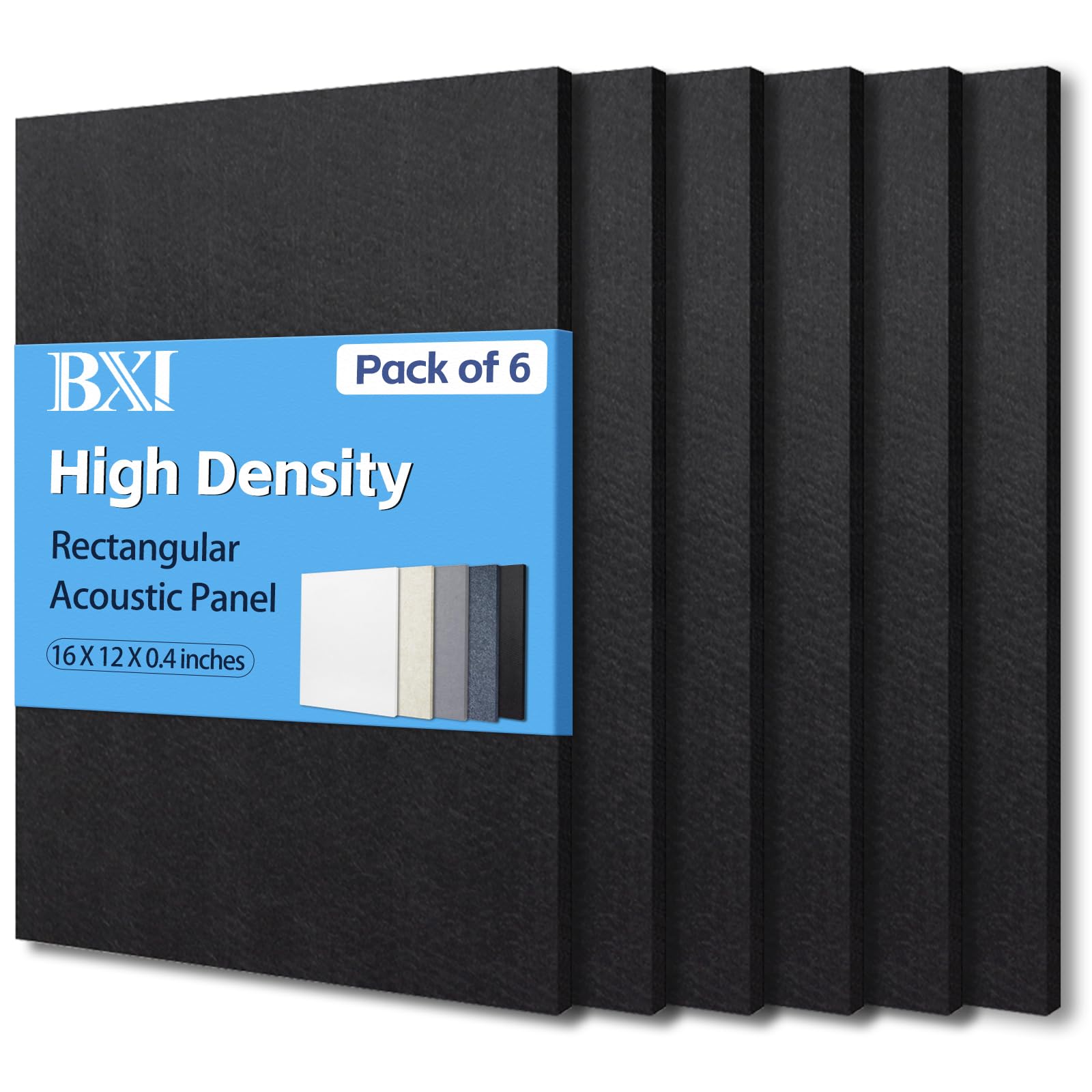
While floor mats address structural vibration, airborne sound can still escape through walls and ceilings. Installing acoustic absorber panels on surrounding surfaces helps capture residual noise and prevent echo. The BXI Acoustic Absorber Panels provide an affordable, high‑performance solution.
- High density of 200 kg/m³ yields an average absorption coefficient of 0.78.
- Noise Reduction Coefficient (NRC) of 0.87 indicates excellent sound‑absorbing capability.
- Each panel measures 16” x 12” x 0.4” and the pack covers 7.7 ft², suitable for a home gym corner.
- Eco‑friendly construction is odorless, non‑toxic, and flame‑retardant, earning a 4.2‑star rating from 1,643 reviewers.
By mounting these panels on the wall behind the treadmill or on the ceiling directly above the workout area, one can significantly lower the perceived loudness of motor hum and footfall. The panels are cuttable, allowing custom fit to irregular spaces, and can be adhered with construction adhesive or double‑sided tape.
Equipment Placement and Room Layout
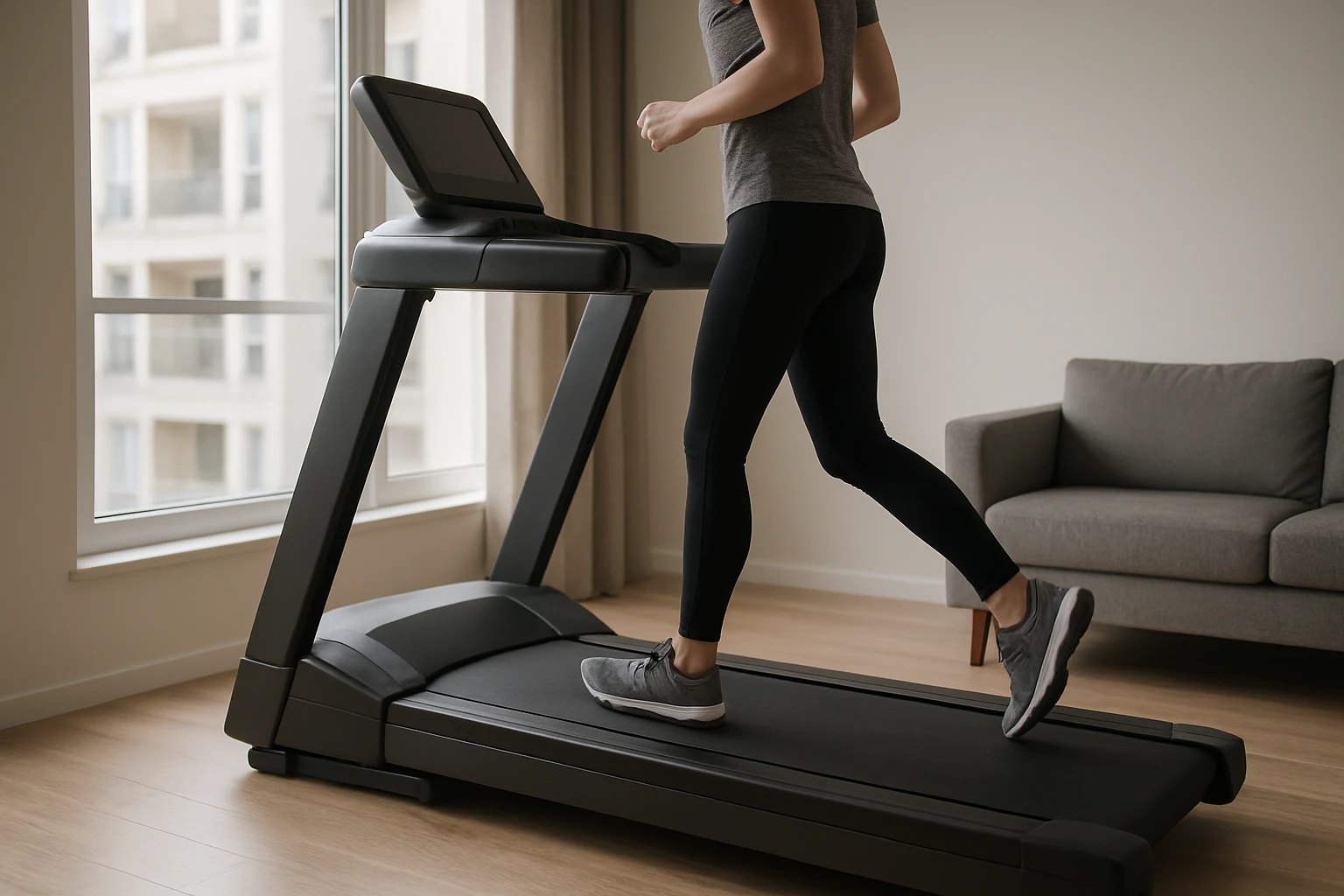
Strategic placement of the treadmill within the apartment can further reduce noise transmission. Position the machine away from shared walls, preferably on a solid interior wall that shares fewer structural connections with neighboring units. Placing the treadmill on carpeted flooring, even with a mat underneath, adds an extra layer of damping. If possible, align the treadmill so that its vibration vectors travel toward interior joists rather than exterior walls.
Consider arranging the workout space so that the treadmill faces away from the bedroom or living area of the next door neighbor. This orientation minimizes direct sound propagation. Additionally, keep the surrounding area clear of reflective surfaces such as glass or metal frames that could amplify noise.
Comparison & Selection Guide
| Feature | SuperMats Equipment Mat | BXI Acoustic Absorber Panels (6‑Pack) |
|---|---|---|
| Primary Function | Vibration damping and floor protection | Airborne sound absorption |
| Dimensions | 36" x 102" (covers full treadmill footprint) | 16" x 12" per panel (covers 7.7 ft² total) |
| Material Density | Heavy‑duty vinyl composite (25 lb weight) | 200 kg/m³ polyester fiber |
| Installation | Unroll and position; no tools required | Cuttable; adhesive or double‑sided tape needed |
| Price | $86.00 | $23.95 |
| Customer Rating | 4.7/5 (1,620 reviews) | 4.2/5 (1,643 reviews) |
| Safety | Non‑toxic, child‑ and pet‑safe | Odorless, formaldehyde‑free, flame‑retardant |
When selecting products, assess the dominant source of disturbance. If floor vibration is the primary concern, prioritize a mat such as the SuperMats Equipment Mat. If echo and motor hum are more noticeable, supplement with BXI Acoustic Absorber Panels. In most apartment settings, a combined approach yields the quietest environment.
Best Practices & Tips
- Always place a high‑density mat beneath the treadmill before use.
- Install acoustic panels on the wall directly behind the machine and on the ceiling above the workout area.
- Schedule workouts during reasonable hours, typically between 7 am and 10 pm, to respect neighbors' sleep cycles.
- Perform a quick noise test by running the treadmill at a moderate speed while listening from the adjacent unit, if possible.
- Maintain the treadmill regularly; loose bolts and worn belts increase vibration and noise.
- Consider using headphones for treadmill‑generated motor sounds that may travel through the air.
- Communicate politely with neighbors; a brief note explaining workout times can foster goodwill.
Frequently Asked Questions
1. Will a floor mat eliminate all treadmill noise?
A mat significantly reduces structural vibration, but it does not address airborne sound from the motor. Combining a mat with acoustic panels provides the most comprehensive solution.
2. Can I use a regular rug instead of a specialized mat?
Standard rugs lack the density required to absorb high‑impact forces and may shift during use, creating additional noise. A purpose‑built mat such as the SuperMats Equipment Mat offers superior performance.
3. How many acoustic panels are needed for a typical home gym?
The six‑panel pack from BXI covers approximately 7.7 ft², which is sufficient for a small corner. Larger spaces may require additional panels to achieve the desired NRC rating.
4. Is it safe to mount acoustic panels with adhesive?
Yes, the panels are designed for easy installation using construction adhesive or 3M VHB double‑sided tape. Ensure the wall surface is clean and dry before application.
5. What time of day is considered acceptable for treadmill use?
Most apartment complexes consider 7 am to 10 pm as reasonable hours. Adjusting workout times to avoid early mornings and late nights demonstrates respect for neighbors.
6. Do these products have any warranties?
Both manufacturers provide limited warranties covering material defects. Review the individual product pages for specific warranty terms.
7. Can I use the mat and panels in a non‑apartment setting?
Absolutely; the mat protects any flooring type, and the acoustic panels improve sound quality in home gyms, studios, and commercial facilities.
Conclusion
Managing treadmill noise in an apartment building requires a multi‑layered approach that includes floor vibration damping, acoustic absorption, thoughtful equipment placement, and courteous scheduling. By employing the SuperMats Equipment Mat for structural isolation and the BXI Acoustic Absorber Panels for sound control, one can achieve a quiet workout environment while preserving good neighborly relations. Consistent maintenance and open communication further reinforce a harmonious living space.
Products Featured in This Guide
SuperMats Equipment Mat
Price: $86.00
Rating: 4.7/5 (1,620 reviews)
Featured because it provides commercial‑grade vibration damping, protects flooring, and extends equipment lifespan, making it essential for quiet treadmill operation in apartments.
BXI Acoustic Absorber Panels
Price: $23.95
Rating: 4.2/5 (1,643 reviews)
Featured because its high density and NRC rating effectively absorb motor hum and footfall echo, complementing floor mats to achieve a comprehensive noise reduction strategy.