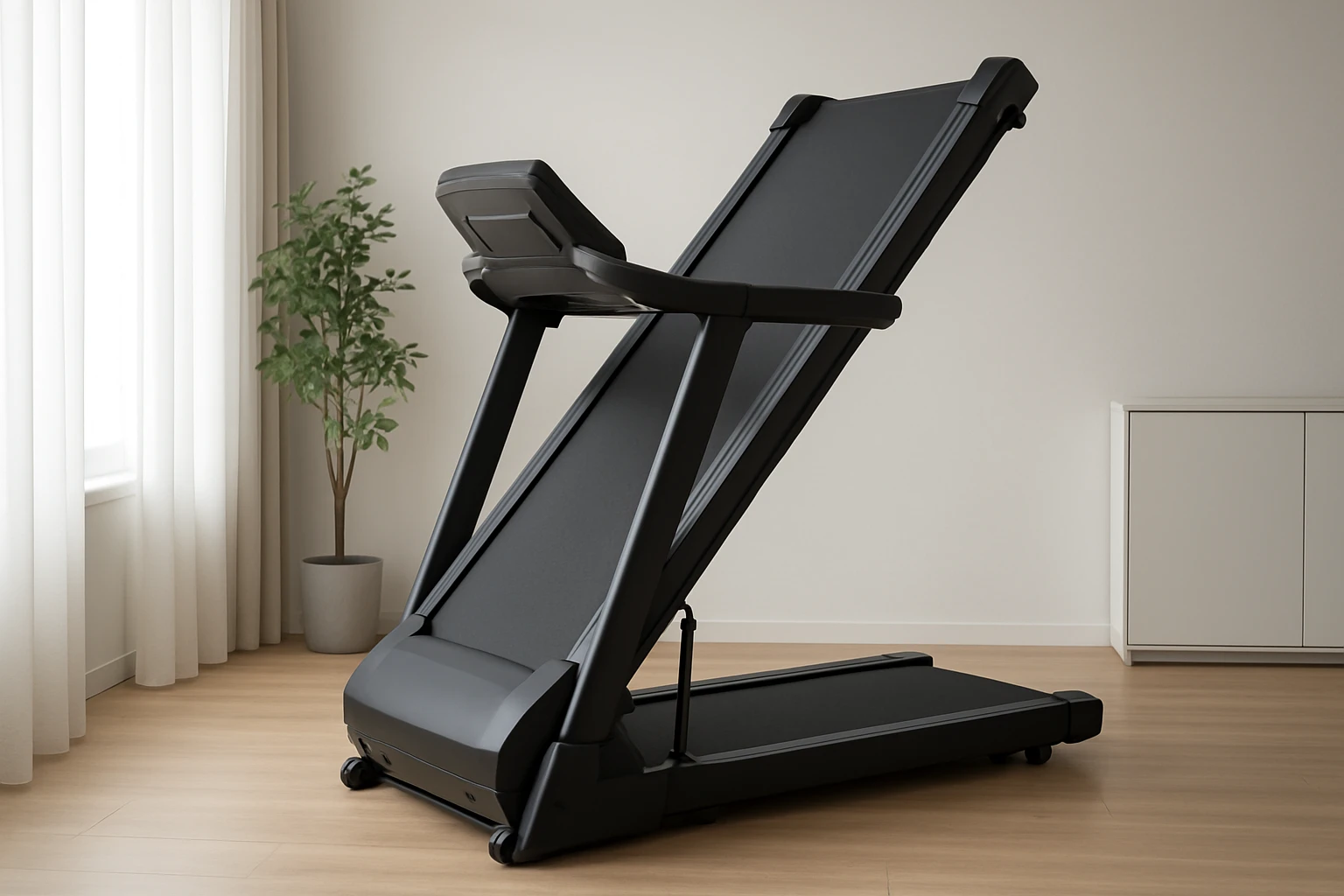
The Ultimate Folding Treadmill Troubleshooting Guide: Diagnose and Fix Common Problems Quickly
Introduction
Folding treadmills have become a staple in home gyms because they combine compact storage with full‑size functionality. This guide explains how to identify the most frequent issues, apply systematic diagnostics, and implement lasting solutions. Readers will gain confidence in maintaining their equipment without requiring professional service. By the end of the article, one will be able to keep a treadmill running smoothly for years.
Background and Context
Modern folding treadmills rely on a brushless motor, electronic console, and a belt‑deck system that must be lubricated regularly. The motor typically operates below 45 dB, providing a quiet environment for apartment dwellers. A manual incline mechanism adds mechanical complexity, while the folding frame introduces moving joints that can loosen over time. Understanding these components lays the groundwork for effective troubleshooting.
Common Issues and Diagnostic Steps
The most prevalent problems fall into three categories: motor noise, belt slippage, and console errors. Each category requires a distinct diagnostic approach.
1. Excessive Motor Noise
When the motor emits a grinding or rattling sound, the first step is to verify that the treadmill is placed on a level surface. Uneven flooring can cause the frame to vibrate, amplifying normal motor sounds. If the surface is level, inspect the motor housing for dust accumulation and ensure the brushless motor is free of debris. Finally, apply a high‑quality lubricant to reduce friction between the belt and deck.
For lubrication, the Innovayou Treadmill Lubricant provides 300 ml of silicone oil that remains stable at high temperatures and reduces belt friction. It is rated 4.3/5.0 by users who note quieter operation after application.
2. Belt Slippage or Uneven Wear
Slippage often results from insufficient tension or a dry belt surface. Begin by loosening the rear bolts, raising the rear roller, and then re‑tightening to the manufacturer’s torque specifications. If the belt still slides, the deck may be dry and require lubrication.
The Pongle Treadmill Lube 2-Pack includes a silicone lubricant and application tools designed for quick, even distribution. Reviewers appreciate the included brush and cloth for precise coverage.
3. Console Display Errors
Faulty readings on the LED display usually stem from loose wiring or a depleted power source. Disconnect the treadmill from the outlet, wait thirty seconds, and reconnect to reset the system. If error codes persist, examine the connector pins for corrosion and reseat them firmly.
When the console itself is unreliable, consider upgrading to a treadmill with a more robust display such as the FutureGlide Foldable Treadmill. This model features a multi‑function LED panel with smart memory that retains data after pauses.
Choosing the Right Maintenance Products
Selecting an appropriate lubricant can prevent many of the problems described above. The table below compares the four products featured in this guide based on capacity, application method, and user rating.
| Product | Capacity | Application | Rating | Price |
|---|---|---|---|---|
| Innovayou Treadmill Lubricant | 300 ml | Syringe with precision tip | 4.3/5 (177 reviews) | $85.98 |
| Pongle Treadmill Lube 2-Pack | 2 × 100 ml | Brush and cloth included | 3.9/5 (2 reviews) | $16.99 |
| TreadLife Maintenance Kit | 1 Year supply (approx. 500 ml) | 22‑inch TruLube wand | Not listed | Price not provided |
| FutureGlide Foldable Treadmill | — | Integrated motor and belt | 4.3/5 (177 reviews) | $189.97 |
For users who prefer a single‑step solution, the TreadLife kit offers an extra‑wide applicator wand that minimizes mess. Those on a tighter budget may find the Pongle two‑pack sufficient for occasional maintenance.
Best Practices and Maintenance Tips
- Perform a visual inspection of the belt and deck after every 20‑hour usage block.
- Lubricate the belt every three months or after 130 miles, whichever occurs first.
- Store the treadmill in a dry environment to prevent moisture‑induced corrosion.
- Use the safety key during every session to prevent accidental starts.
- Keep the motor vents free of dust by vacuuming the surrounding area weekly.
Following these practices reduces wear, extends the warranty period, and ensures a quieter workout experience.
Frequently Asked Questions
- Q1: Why does my treadmill stop suddenly after a few minutes?
- A1: The safety key may be disengaged, or the motor may be overheating due to insufficient lubrication. Verify the key position and apply lubricant as described.
- Q2: Can I use regular oil instead of silicone lubricant?
- A2: Regular oil can attract dust and degrade the belt material. Silicone‑based lubricants such as those in the featured products provide high temperature stability and do not attract debris.
- Q3: How do I calibrate the incline mechanism?
- A3: Release the manual lock, set the desired incline, and re‑engage the lock. Ensure the treadmill is on a flat surface before adjusting.
- Q4: My console displays “E1” error code. What does it mean?
- A4: “E1” typically indicates a motor speed sensor fault. Power down, check the wiring harness, and reseat the connector.
- Q5: Is it safe to use the treadmill while the room temperature is below 10°C?
- A5: Operating in cold environments can thicken the belt material and increase motor load. Warm the room or allow the treadmill to acclimate for thirty minutes before use.
- Q6: How often should I tighten the folding frame bolts?
- A6: Inspect the frame bolts monthly and tighten any that have loosened due to repeated folding cycles.
- Q7: Can I clean the treadmill deck with water?
- A7: Use a slightly damp cloth; excessive water can seep into electronic components and cause damage.
Conclusion
Diagnosing and fixing folding treadmill problems does not require specialized tools, only a systematic approach and the right maintenance products. By understanding motor behavior, belt dynamics, and console logic, one can resolve most issues quickly. Regular lubrication with a product such as Innovayou Treadmill Lubricant or the TreadLife Maintenance Kit will keep the treadmill operating quietly and efficiently. Implement the best‑practice checklist, and the folding treadmill will provide reliable cardio for many years.
Products Featured in This Guide
FutureGlide Foldable Treadmill
Price: $189.97 | Rating: 4.3/5 (177 reviews)
Featured because it exemplifies a high‑performance folding treadmill with a quiet brushless motor, manual 5% incline, and an easy‑to‑read LED display.
Innovayou Treadmill Lubricant
Price: $85.98 | Rating: 4.3/5 (177 reviews)
Featured for its 300 ml silicone oil that reduces friction, stabilises temperature, and prolongs belt life.
Pongle Treadmill Lube 2-Pack
Price: $16.99 | Rating: 3.9/5 (2 reviews)
Featured because it provides an economical solution with a brush and cloth for precise application.
TreadLife Maintenance Kit
Price: Not listed | Rating: Not listed
Featured for its extra‑wide TruLube applicator wand that simplifies belt lubrication and reduces mess.