Introduction
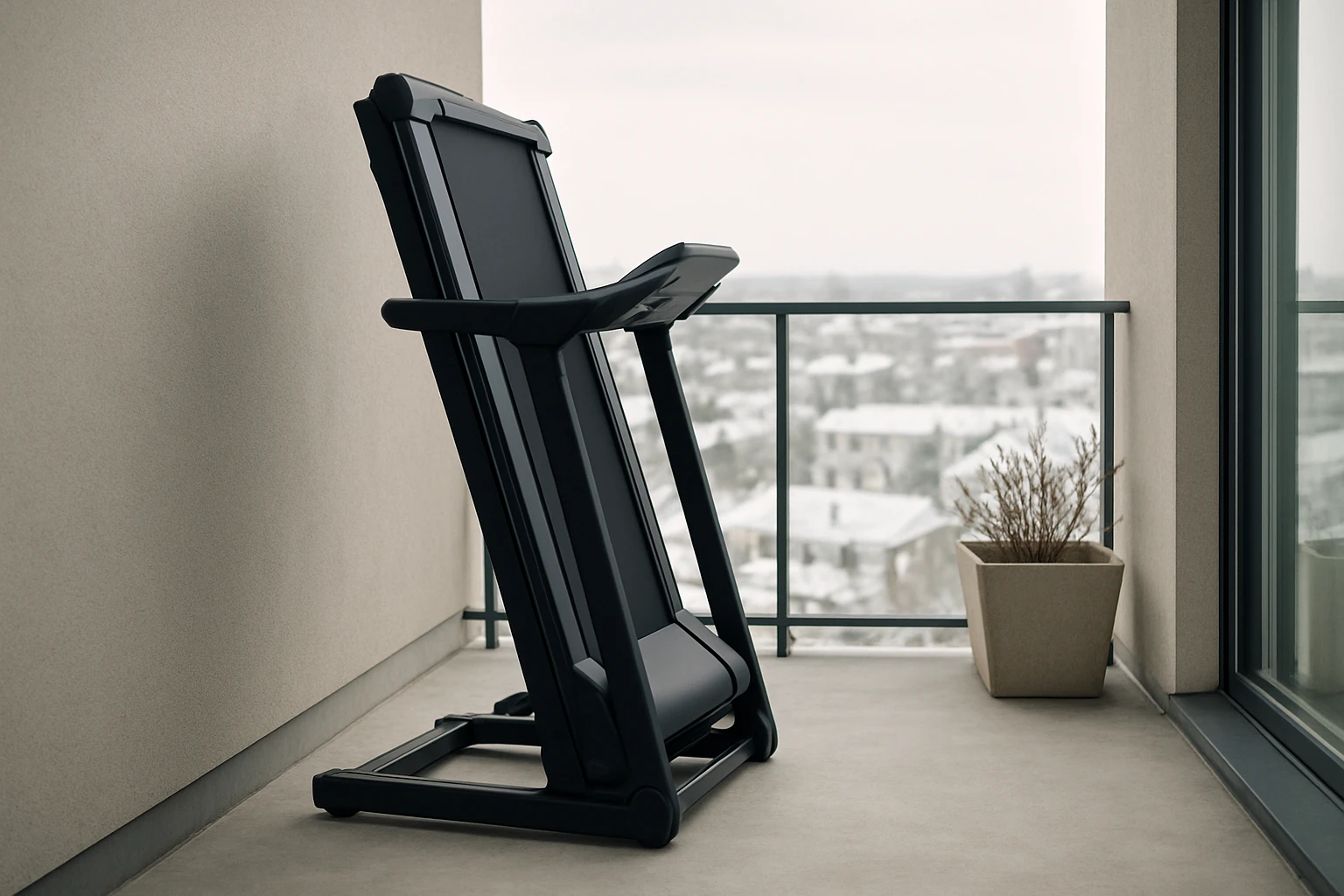
One will discover a systematic approach to safeguard a folding treadmill when the outdoor temperature drops below freezing. The guide explains how to prepare a balcony, clean the machine, select an appropriate cover, and perform routine maintenance throughout the season. By following each instruction, one reduces the risk of rust, dust accumulation, and mechanical wear caused by harsh weather. The result is a treadmill that remains in optimal condition for spring use, extending its service life and preserving the investment.
What You’ll Need
- Measuring tape or ruler
- Soft cleaning cloths and mild detergent
- Protective gloves
- Weather‑proof treadmill cover (recommended options are listed below)
- Storage bag or zip‑lock container for accessories
- Rubber mat or non‑slip pad for the balcony floor
Step 1: Assess Balcony Space and Load Capacity
Before moving any equipment, one should verify that the balcony can support the treadmill’s weight when folded. Most folding models weigh between 70 and 120 pounds; consult the manufacturer’s specifications for exact figures. Measure the available floor area and compare it with the treadmill’s folded dimensions, typically around 46" L x 38" W x 66" H. Ensure there is adequate clearance for ventilation and for opening the cover without obstruction.
Step 2: Clean the Treadmill Thoroughly
A clean surface prevents dust and moisture from seeping into moving parts during storage. Remove the power cord, then wipe the deck, belt, and frame with a soft cloth dampened with mild detergent and water. Rinse with a clean, damp cloth and allow all components to dry completely, preferably in a well‑ventilated area. Pay special attention to the motor housing and any exposed screws, as these are common entry points for corrosion.
Step 3: Protect the Floor with a Non‑Slip Mat
Place a rubber mat or non‑slip pad on the balcony floor to prevent the treadmill from shifting in windy conditions. The mat also acts as a secondary barrier against moisture that may accumulate on the balcony surface. Choose a mat that is at least 2 inches thick and slightly larger than the treadmill’s folded footprint. Secure the mat with adhesive strips if the balcony surface is particularly smooth.
Step 4: Choose an Appropriate Weather‑Proof Cover
Selecting a durable cover is essential for defending the treadmill against rain, snow, UV radiation, and wind. The Zettum Treadmill Cover offers 600D oxford fabric with a PU coating, providing waterproof protection while remaining breathable. At $39.99, it holds a 4.4‑star rating from 74 reviews, indicating reliable performance for indoor and outdoor use. Its windproof drawstring and Velcro closure keep the cover securely in place, even during gusty winter breezes.
For users seeking a more budget‑friendly option, the ClawsCover Treadmill Cover features 420D polyester oxford cloth with PU coating, double‑stitched seams, and reflective strips for nighttime visibility. Priced at $29.99 and rated 4.5 stars by 656 reviewers, it balances affordability with robust weather resistance.
If the treadmill will remain in a garage or sheltered balcony, the Rilime Heavy Duty Treadmill Cover provides a lightweight yet waterproof solution. Its 420D fabric, zipper side closure, and drawstring bottom create a snug fit that resists wind uplift. At $22.94 and a 4.4‑star rating from 278 reviews, it is the most economical choice for mild winter conditions.
For the most compact storage scenario, the QWORK Folding Treadmill Cover is designed specifically for folded treadmills up to 46" L x 38" W x 66" H. Its 420D oxford fabric, cord‑lock drawstring, and included storage bag make it ideal for limited balcony space. Priced at $16.97 with a 4.5‑star rating from 380 reviewers, it offers excellent value for indoor‑only protection.
Step 5: Fit the Cover Correctly
After selecting a cover, one should position the treadmill on the mat and unfold the cover from the bottom upward. Align the drawstring or cord‑lock mechanism with the treadmill’s rear edge, then tighten to achieve a snug fit. For covers with Velcro closures, press the strips together firmly to prevent gaps where water could enter. Verify that the cover does not obstruct the treadmill’s folding mechanism, allowing the user to unfold the machine for occasional use.
Step 6: Secure the Cover Against Wind
Winter winds can lift a loosely attached cover, exposing the treadmill to precipitation. Use the drawstring tension or cord‑lock device to create a tight seal at the bottom edge. If the balcony has railings, tie the cover’s excess drawstring around the rail for additional anchoring. For extra security, consider attaching bungee cords to the cover’s reinforced eyelets and fastening them to sturdy balcony fixtures.
Step 7: Perform Routine Maintenance Throughout Winter
Even while covered, a treadmill benefits from periodic checks to ensure no moisture has penetrated the enclosure. Once a month, remove the cover, inspect the motor housing and belt for signs of rust or mold, and dry any condensation with a soft cloth. Re‑apply a thin layer of silicone spray to the belt if it appears dry, which helps maintain flexibility in low temperatures. Replace the cover promptly if it shows tears or loss of waterproof coating.
Tips & Pro Tips
- Measure the folded dimensions twice before purchasing a cover to avoid sizing errors.
- Apply a water‑repellent spray to the cover annually to extend its waterproof lifespan.
- Store the treadmill’s power cord and remote in a zip‑lock bag to protect them from moisture.
- Consider a portable dehumidifier inside the balcony enclosure if the area is prone to condensation.
- When using the QWORK cover, keep the included storage bag folded and tucked under the treadmill to reduce wind resistance.
Troubleshooting
| Problem | Possible Cause | Solution |
|---|---|---|
| Cover flutters in wind | Insufficient drawstring tension | Re‑tighten the drawstring or use bungee cords to anchor the bottom edge. |
| Moisture inside cover | Water seepage at seams | Check for damaged seams; apply waterproof tape or replace the cover. |
| Rust on motor housing | Condensation buildup | Remove cover, dry the area, and apply a thin coat of rust inhibitor. |
Conclusion
One now possesses a complete, actionable plan for storing a folding treadmill on a balcony during winter months. By assessing structural capacity, cleaning the equipment, protecting the floor, selecting a suitable cover, and performing regular maintenance, the treadmill remains shielded from the elements and ready for spring activation. The recommended products—Zettum, ClawsCover, Rilime, and QWORK—provide reliable, cost‑effective solutions tailored to varying budgetary and space constraints. Implementing these steps will ensure the treadmill operates smoothly for years to come.
Products Mentioned in This Guide
Frequently Asked Questions
How can I determine if my balcony can safely hold a folded treadmill?
Measure the treadmill’s dimensions and weight, then compare them to your balcony’s load rating and available floor space, checking the building’s specifications if needed.
What is the best way to clean a folding treadmill before winter storage?
Wipe down the deck and frame with a soft cloth and mild detergent, remove dust from the motor and belt, and let all parts dry completely.
Which type of cover provides optimal protection for a balcony‑stored treadmill?
Use a weather‑proof, breathable cover that fits snugly around the folded treadmill to shield it from rain, snow, and UV rays while preventing moisture buildup.
How should I protect the balcony floor while storing the treadmill?
Place a rubber mat or non‑slip pad under the treadmill to distribute weight evenly and protect the surface from scratches and moisture.
What routine maintenance should I perform during the winter months?
Periodically inspect the cover for tears, check for condensation inside the treadmill, and tighten any loose bolts or bolts to prevent rust and wear.