Introduction
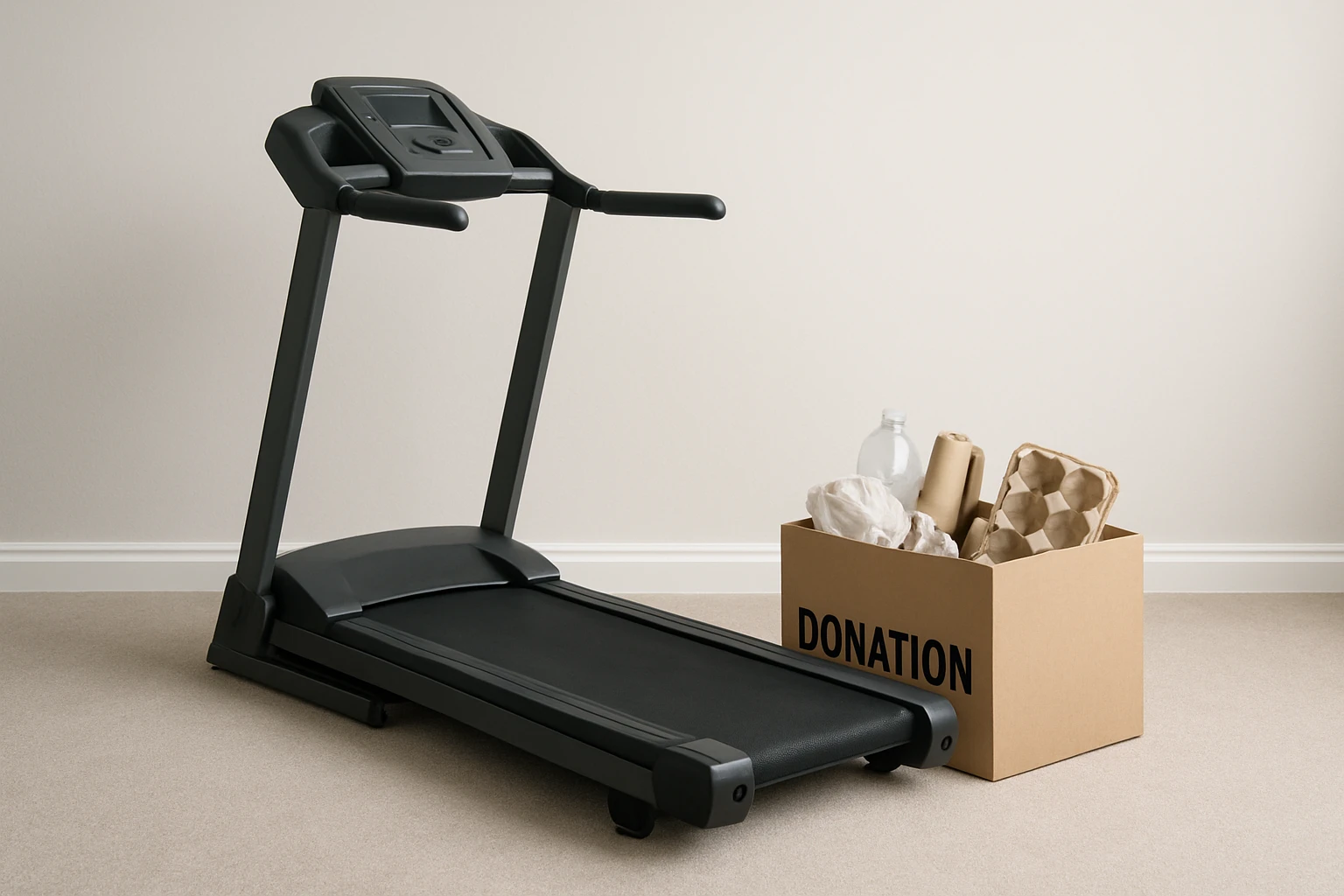
Every year countless treadmills become obsolete, yet many owners are uncertain how to dispose of them responsibly. This guide explains how to recycle an old treadmill near you, whether through donation, curb‑side pickup, or environmentally sound disposal. Readers will learn the legal requirements, local resources, and practical steps to ensure that a used treadmill does not end up in a landfill. Additionally, the guide recommends complementary products that can extend the life of a treadmill or make the recycling process safer and more efficient.
Background and Context
Modern treadmills contain steel frames, electronic components, and motor assemblies that are highly recyclable when handled correctly. However, many municipalities treat large fitness equipment as bulk waste, which can incur fees and result in unnecessary waste. Understanding the composition of a treadmill helps owners identify which parts can be salvaged, donated, or require special handling. For example, the motor and steel frame are valuable scrap metal, while the control board may contain hazardous substances that require certified e‑waste processing.
In addition to recycling, many charitable organizations accept gently used treadmills for community centers, schools, or senior‑living facilities. These donations often provide tax‑deductible benefits for the donor. When a treadmill is beyond repair, specialized recycling facilities can dismantle the unit and separate recyclable components from non‑recyclable waste.
Assessing the Condition of Your Treadmill
Before deciding on a disposal method, evaluate the treadmill’s overall condition. Ask the following questions:
- Is the frame structurally sound and free of rust?
- Do the belt and deck show excessive wear that cannot be repaired?
- Are the electronic controls functional, or do they display error codes?
- Can the motor still operate without unusual noises?
If the answers indicate that the machine is still operable, donation or resale may be the most appropriate route. If the treadmill fails multiple criteria, recycling or parts harvesting becomes the preferred option.
Donation Options
Many nonprofits welcome treadmill donations because they provide free fitness equipment for underserved populations. To locate a suitable organization, consider the following steps:
- Search online directories for "treadmill donation" combined with your city or zip code.
- Contact local senior centers, community gyms, or schools to inquire about equipment needs.
- Verify the organization’s ability to transport the treadmill; many will arrange pickup for larger items.
- Obtain a receipt for tax‑deduction purposes, noting the fair market value of the treadmill.
When donating a treadmill, it is helpful to include a Redliro Walking Treadmill style safety key if the original is missing. The extra‑long handrails and low‑speed settings of the Redliro model make it especially suitable for senior centers.
Pickup and Bulk‑Waste Services
Municipal bulk‑waste programs often provide scheduled curbside pickup for items larger than a standard trash bag. Check your city’s public works website for pickup dates, size restrictions, and any associated fees. When using curbside services, follow these guidelines:
- Disassemble the treadmill into manageable sections, removing the belt and electronics if possible.
- Secure all loose parts with zip ties to prevent them from scattering during transport.
- Place a clear label indicating "Electronic Waste" on the motor housing.
If the municipality does not accept electronic components, arrange a private haul‑away service that specializes in e‑waste. Many services will recycle the motor and control board for a modest fee.
Eco‑Friendly Recycling Strategies
When a treadmill cannot be donated, recycling it responsibly is the next best option. The process typically involves three stages: dismantling, material separation, and metal recovery. Professional recyclers will:
- Remove the motor, steel frame, and aluminum components for scrap metal markets.
- Extract the electronic control board for proper e‑waste processing.
- Dispose of any plastic or rubber parts that are not recyclable in a landfill, minimizing overall waste.
To facilitate this process, consider using a ProTech Treadmill Care Kit. Regular maintenance with this kit reduces wear, extending the treadmill’s usable life and decreasing the frequency of full‑unit recycling.
Choosing Replacement Parts for Continued Use
In many cases, a treadmill can be revived by replacing a few key components rather than discarding the entire unit. Two common replacement items are safety switches and magnetic emergency stop keys. These components protect users by stopping the machine when the key is removed.
The Gosknor Treadmill Safety Switch offers a universal magnetic safety key compatible with most treadmill brands. It features a durable ABS plastic body, a strong magnet, and a polyester cord that resists fraying. At $5.99, it provides an affordable solution for households with seniors or pets.
Alternatively, the ZENGZHIC Treadmill Safety Switch includes a one‑meter cord and a compact circular design that fits a wide range of treadmill models. Users appreciate its ease of clipping to clothing, ensuring the treadmill stops immediately if a fall occurs.
When selecting a safety switch, compare the following criteria:
- Magnet strength – a stronger magnet reduces accidental detachment.
- Cord length – longer cords provide flexibility for users of different heights.
- Material durability – ABS plastic and polyester cords resist wear over time.
- Customer rating – both Gosknor and ZENGZHIC have ratings above 4.7/5, indicating high satisfaction.
Comparison and Selection Guide
| Feature | Redliro Walking Treadmill | Acezoe 3‑in‑1 Under Desk Treadmill | ProTech Treadmill Care Kit | Gosknor Safety Switch | ZENGZHIC Safety Switch |
|---|---|---|---|---|---|
| Price (USD) | $269.99 | $279.96 | $30.95 | $5.99 | $5.49 |
| Rating | 4.6/5 (227 reviews) | 4.6/5 (194 reviews) | 3.8/5 (37 reviews) | 4.7/5 (193 reviews) | 4.7/5 (436 reviews) |
| Key Benefit | Extra‑long handrails for senior safety | 3‑in‑1 design for work‑out integration | Cleaning and lubrication for longevity | Universal magnetic safety key | Compact safety key with long cord |
| Best Use Case | Home or apartment use by seniors | Home office or small‑space gyms | Routine treadmill maintenance | Replacement for lost or broken safety keys | Alternative safety key for various treadmill models |
The table above assists readers in selecting the product that aligns with their specific treadmill recycling or refurbishment goals. For instance, a user who wishes to keep a treadmill in service for an elderly family member may prioritize the Redliro model’s handrails, while a small‑office worker may benefit from the Acezoe 3‑in‑1’s desk integration.
Best Practices & Tips for Treadmill Recycling
Follow these actionable recommendations to maximize the environmental benefit of recycling a treadmill:
- Document the serial number. Recording the serial number helps recyclers verify the model and ensures proper handling of hazardous components.
- Remove personal data. Reset any stored user profiles on the console to protect privacy.
- Disassemble safely. Use a wrench to detach the motor housing before moving the frame; this reduces the risk of injury.
- Donate accessories. Items such as the cup holder, phone stand, or safety key can be included in a donation to increase the unit’s value.
- Schedule pickup early. Many charities prioritize early requests, especially before holiday seasons when demand for home fitness equipment rises.
- Consider a trade‑in program. Some retailers offer credit toward a new purchase when an old treadmill is returned for recycling.
Implementing these practices not only safeguards personal safety but also enhances the overall sustainability of the recycling process.
Frequently Asked Questions
1. How much does it cost to recycle a treadmill?
Fees vary by municipality; some offer free bulk pickup, while private e‑waste recyclers may charge $20‑$40 for complete processing. Checking local regulations provides the most accurate estimate.
2. Can I donate a treadmill that is missing parts?
Many charities accept incomplete units, especially if the missing components are inexpensive. Including a safety switch such as the Gosknor Treadmill Safety Switch can make the donation more appealing.
3. Is it safe to transport a treadmill on my own?
Transporting a treadmill without disassembly can cause damage to flooring and the machine itself. It is advisable to remove the belt and fold the deck, then use a dolly or enlist professional movers.
4. What should I do with the electronic control board?
The control board must be treated as e‑waste. Locate a certified e‑waste recycler in your area or drop it off at a retailer that offers electronic recycling.
5. How often should I use a care kit?
For regular home use, applying the ProTech Treadmill Care Kit every three months helps maintain belt lubrication and prevents dust buildup.
6. Are there tax benefits to donating a treadmill?
Yes, donors can claim a charitable deduction based on the fair market value of the treadmill, provided they obtain a receipt from the receiving organization.
7. Can I recycle a treadmill at a scrap metal yard?
Scrap metal yards will accept the steel frame and motor, but they often reject electronic components. Separate the motor and frame before delivery to avoid rejection.
Conclusion
Recycling an old treadmill near you requires careful assessment, knowledge of local resources, and the right accessories to ensure safety and longevity. By following the steps outlined in this guide, owners can donate functional units, arrange efficient pickup, or responsibly recycle components while minimizing environmental impact. Selecting appropriate replacement parts, such as safety switches or maintenance kits, can extend the life of a treadmill and reduce the frequency of full‑unit disposal. Ultimately, responsible recycling contributes to a healthier planet and supports community wellness initiatives.
Products Featured in This Guide
Redliro Walking Treadmill
Price: $269.99 | Rating: 4.6/5 (227 reviews)
Featured for its extra‑long handrails, low speed range, and foldable design that make it ideal for senior users and small‑space homes.
Acezoe 3‑in‑1 Under Desk Treadmill
Price: $279.96 | Rating: 4.6/5 (194 reviews)
Featured for its versatile 3‑in‑1 design, adjustable handlebar, and manual incline, offering a compact solution for work‑out integration.
ProTech Treadmill Care Kit
Price: $30.95 | Rating: 3.8/5 (37 reviews)
Featured for its comprehensive cleaning and lubrication components that help extend treadmill motor and belt life.
Gosknor Treadmill Safety Switch
Price: $5.99 | Rating: 4.7/5 (193 reviews)
Featured for its universal magnetic safety key, durable construction, and affordability, making it a reliable replacement for lost keys.
ZENGZHIC Treadmill Safety Switch
Price: $5.49 | Rating: 4.7/5 (436 reviews)
Featured for its compact design, one‑meter cord, and strong magnet, providing a convenient safety solution for a wide range of treadmills.