How to Prepare Your Balcony for a Treadmill: Step‑by‑Step Drainage & Weatherproofing Guide
Introduction
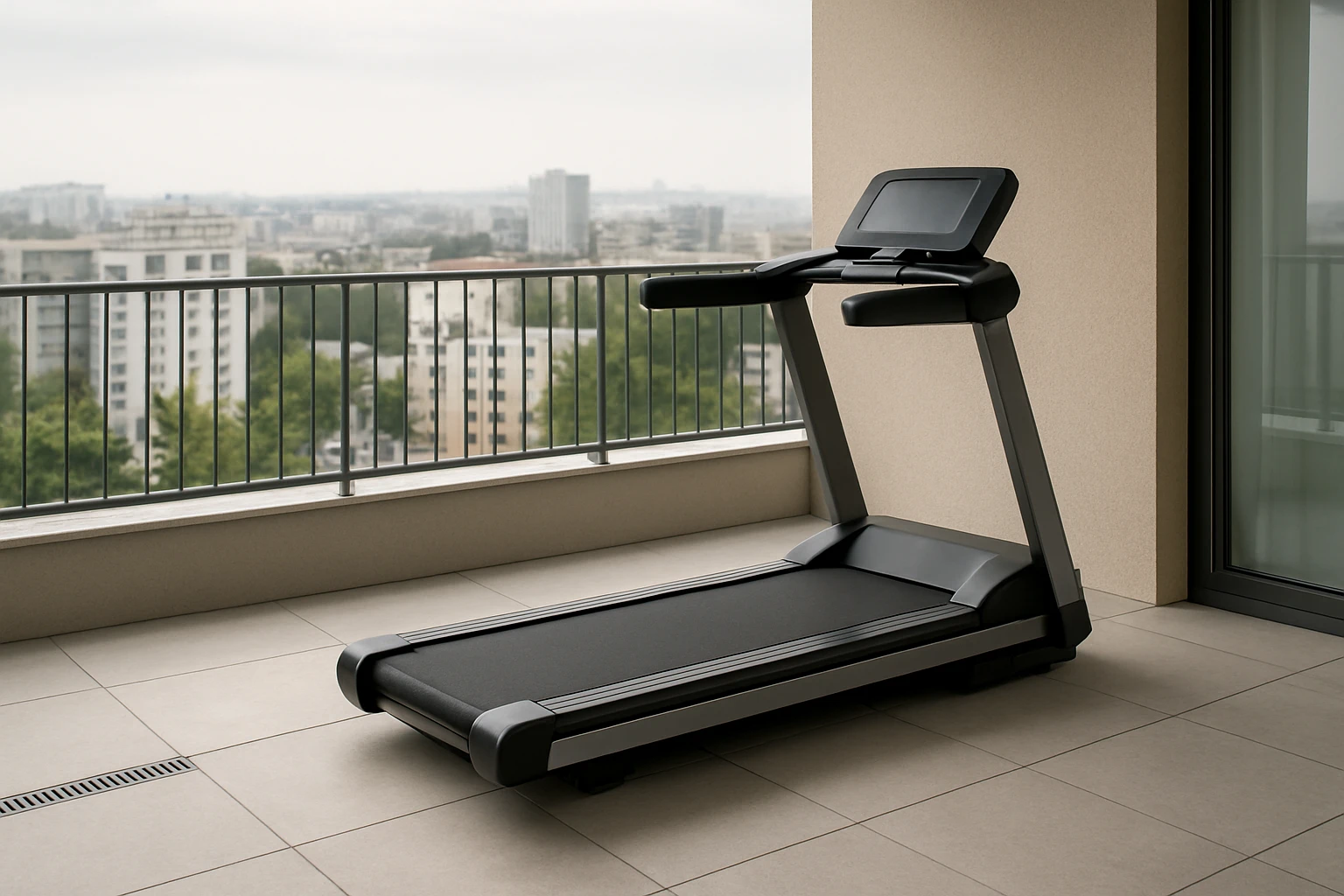
Balconies provide an appealing outdoor space for fitness, yet they often lack the infrastructure required for a treadmill. This guide explains how to transform a balcony into a safe, dry, and weather‑resistant area suitable for a treadmill. Readers will learn to assess structural suitability, install effective drainage, lay protective flooring, and shield the equipment from the elements. By following these steps, one can enjoy a reliable workout zone without compromising the longevity of the treadmill.
What You’ll Need
- Measuring tape and level
- Exterior‑grade waterproof membrane
- Drainage grates or French drain kit
- Interlocking rubber or deck tiles (rated for outdoor use)
- Weather‑proof sealant
- Heavy‑duty brackets or anchors (if required by local code)
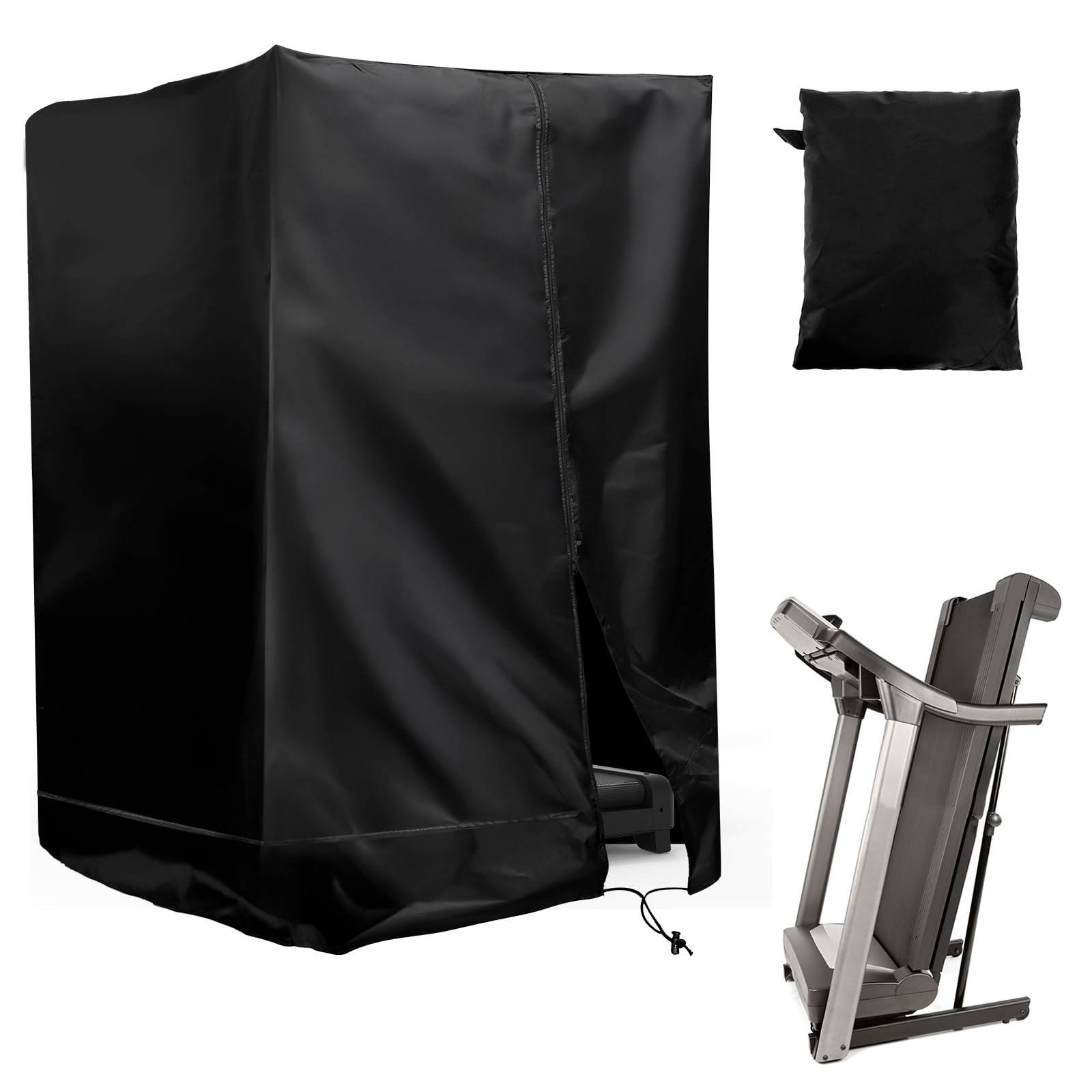
- Nagpew Treadmill Cover
Step 1 – Verify Structural Capacity
The first responsibility is to confirm that the balcony can support the treadmill’s static and dynamic loads. Consult the building’s structural engineer or review the original construction documents for load ratings, typically expressed in pounds per square foot. A standard folding treadmill weighs between 150‑200 lb and exerts additional force during operation; therefore, a minimum capacity of 250 lb per square foot is advisable. If the balcony falls short, reinforce the joists with steel brackets or consider an alternative indoor location.
Step 2 – Measure and Level the Surface
Accurate measurements ensure that all subsequent materials fit without gaps that could collect water. Use a measuring tape to record the length and width, then place a long level across multiple points to detect any slope. A slight gradient of 1‑2 % away from the building helps water runoff; however, excessive tilt can destabilize the treadmill. If the surface is uneven, apply a self‑leveling outdoor compound before installing the flooring.
Step 3 – Install a Drainage System
Effective drainage prevents water accumulation that could corrode the treadmill’s motor and frame. Begin by cleaning the balcony of debris, then position drainage grates at the lowest points identified in Step 2. For larger balconies, a French drain consisting of perforated pipe wrapped in geotextile fabric and covered with gravel offers superior performance. Connect the drain outlet to an existing downspout or a discreet exterior hose to direct water away from the building foundation.
Step 4 – Apply a Waterproof Membrane
After the drainage layout, lay an exterior‑grade waterproof membrane over the entire surface. Choose a roll‑on or sheet product that is UV‑stable and rated for outdoor foot traffic. Overlap seams by at least 6 inches and seal with a compatible waterproof sealant to create a continuous barrier. This layer protects both the balcony structure and the treadmill from moisture intrusion during rain or snow melt.
Step 5 – Install Protective Flooring
With the membrane in place, install interlocking rubber or deck tiles that provide cushioning, shock absorption, and additional moisture resistance. Select tiles rated for a minimum load of 300 lb per square foot to accommodate treadmill vibrations. Begin at one corner and snap each tile into the adjacent piece, ensuring a tight fit that eliminates gaps. The tiled surface also reduces noise transmission to neighboring units, an important consideration in multi‑family buildings.
Step 6 – Secure the Treadmill
Place the treadmill on the newly laid flooring, positioning it so that the belt aligns with the direction of the balcony’s slope for optimal drainage. If local codes require anchoring of heavy equipment, use heavy‑duty brackets or floor anchors rated for the treadmill’s weight. Verify that the treadmill is level by adjusting the built‑in foot‑pads; an uneven machine can cause premature wear on the belt and motor.
Step 7 – Protect the Equipment from Weather
Even with waterproof flooring, exposure to rain, dust, and UV rays can degrade the treadmill over time. Covering the machine when not in use adds an extra layer of defense. The Nagpew Treadmill Cover is designed specifically for folding treadmills and offers several advantages:
- Waterproof and dust‑proof construction: The PU‑coated 420D oxford cloth repels water, wind, and sunlight, keeping the treadmill dry.
- Secure fit: A zipper and drawstring ensure the cover stays tightly in place, preventing wind‑driven displacement.
- Convenient storage: The included storage bag allows the cover to be folded away neatly when the treadmill is in use.
- Versatility: In addition to treadmills, the cover can protect outdoor furniture, pet cages, and photographic equipment, offering added value.
The product retails for $21.59, carries a rating of 4.6 out of 5 from 37 reviews, and is currently in stock. Its durability and ease of use make it a cost‑effective solution compared with custom‑made covers or frequent maintenance.
Tips & Pro Tips
- Seasonal inspection: Check the drainage grates and membrane after heavy rain or snow to ensure no blockage or damage has occurred.
- Use a dehumidifier: In humid climates, a small outdoor‑rated dehumidifier can reduce condensation on the treadmill’s electronics.
- Apply UV‑resistant spray: Treat the rubber tiles with a UV‑protectant spray annually to prevent cracking.
- Weight distribution: Place a thin plywood sheet (½‑inch) under the treadmill if the balcony’s load rating is marginal; this spreads weight more evenly.
Troubleshooting
| Problem | Possible Cause | Solution |
|---|---|---|
| Water pooling on the floor | Blocked drainage or insufficient slope | Clear grates, re‑grade surface, or install additional French drain sections. |
| Excessive noise | Hard flooring or unsecured treadmill | Replace with thicker rubber tiles and verify anchoring. |
| Cover does not stay in place | Improper sizing or weak drawstring | Adjust drawstring tension or add external clips. |
Conclusion
Preparing a balcony for a treadmill involves assessing structural capacity, establishing reliable drainage, waterproofing the surface, and protecting the equipment from weather exposure. By following the seven steps outlined above, one can create a durable, low‑maintenance workout area that extends the lifespan of the treadmill and safeguards the building’s integrity. The Nagpew Treadmill Cover offers an affordable, high‑quality solution for protecting the machine when not in use, ensuring consistent performance throughout the year.
Products Mentioned in This Guide
Frequently Asked Questions
How can I determine if my balcony can support a treadmill’s weight?
Check the building’s load rating, measure the balcony’s dimensions, and consult a structural engineer or the property manager to confirm it meets the treadmill’s weight specifications.
What is the best way to create drainage for a treadmill on a balcony?
Install a sloped waterproof membrane with drainage grates or a French drain system to direct water away from the treadmill area.
Which flooring material is recommended for protecting a treadmill outdoors?
Use interlocking rubber or deck tiles rated for outdoor use, as they provide slip resistance, cushioning, and moisture protection.
Do I need a weather‑proof cover for my balcony treadmill?
Yes, a breathable, waterproof treadmill cover shields the machine from rain, UV rays, and dust while allowing heat to escape.
Are there any local code requirements for anchoring a treadmill on a balcony?
Many municipalities require heavy‑duty brackets or anchors to secure equipment; verify local building codes and obtain any necessary permits before installation.