Introduction
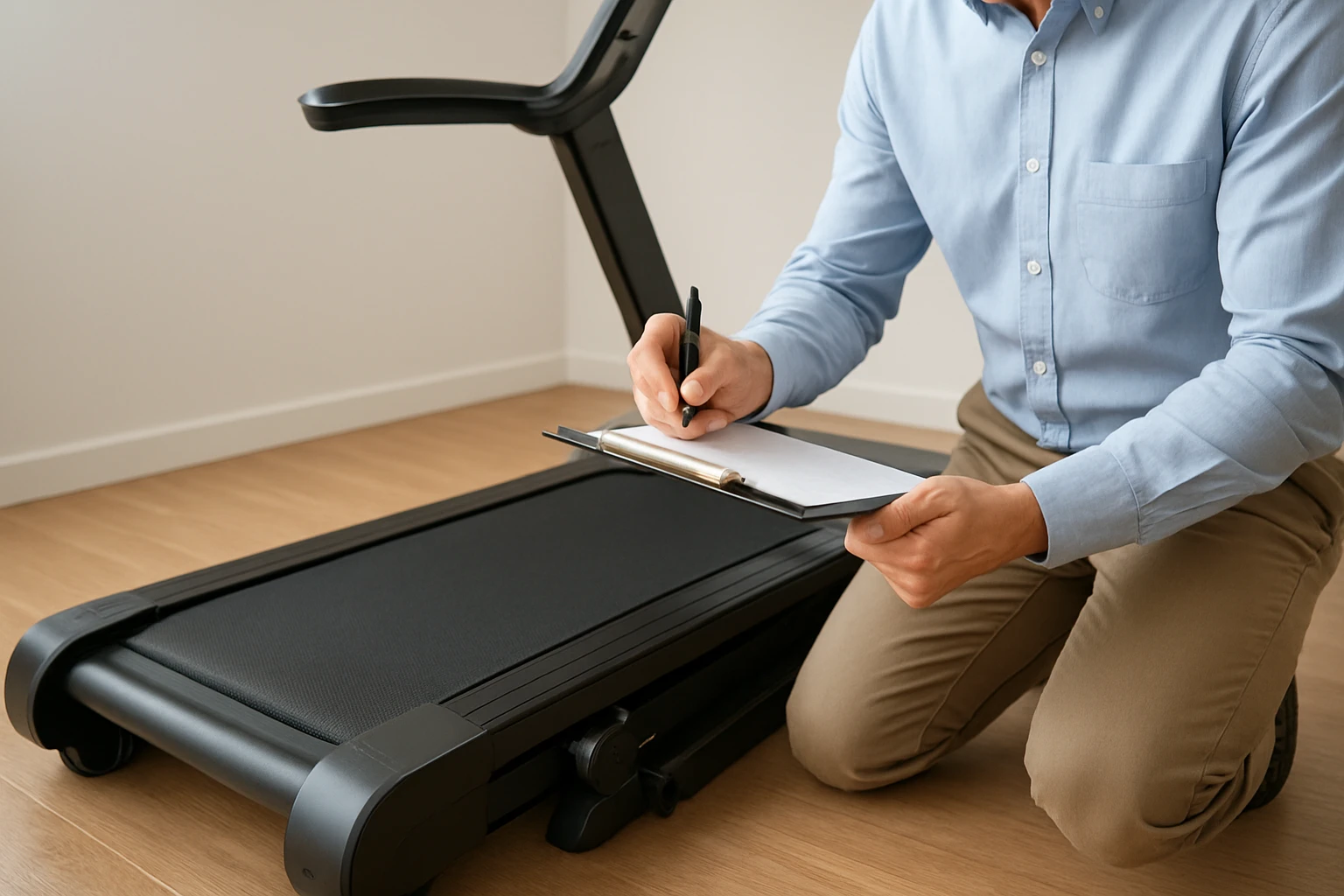
One of the most prudent actions before acquiring a used folding treadmill is to conduct a comprehensive inspection. This guide equips the reader with a systematic checklist that covers visual, mechanical, and electronic aspects of the equipment. By following each step, one can identify hidden defects, verify performance specifications, and negotiate a fair price. The value of this process lies in preventing future repair costs and ensuring that the treadmill will meet personal fitness goals.
What You'll Need
- A sturdy flashlight or headlamp for illumination of concealed components.
- A set of flat‑head and Phillips screwdrivers to remove protective panels.
- A digital multimeter for testing voltage and continuity on the motor and control board.
- A level surface and a measuring tape to verify belt alignment and treadmill dimensions.
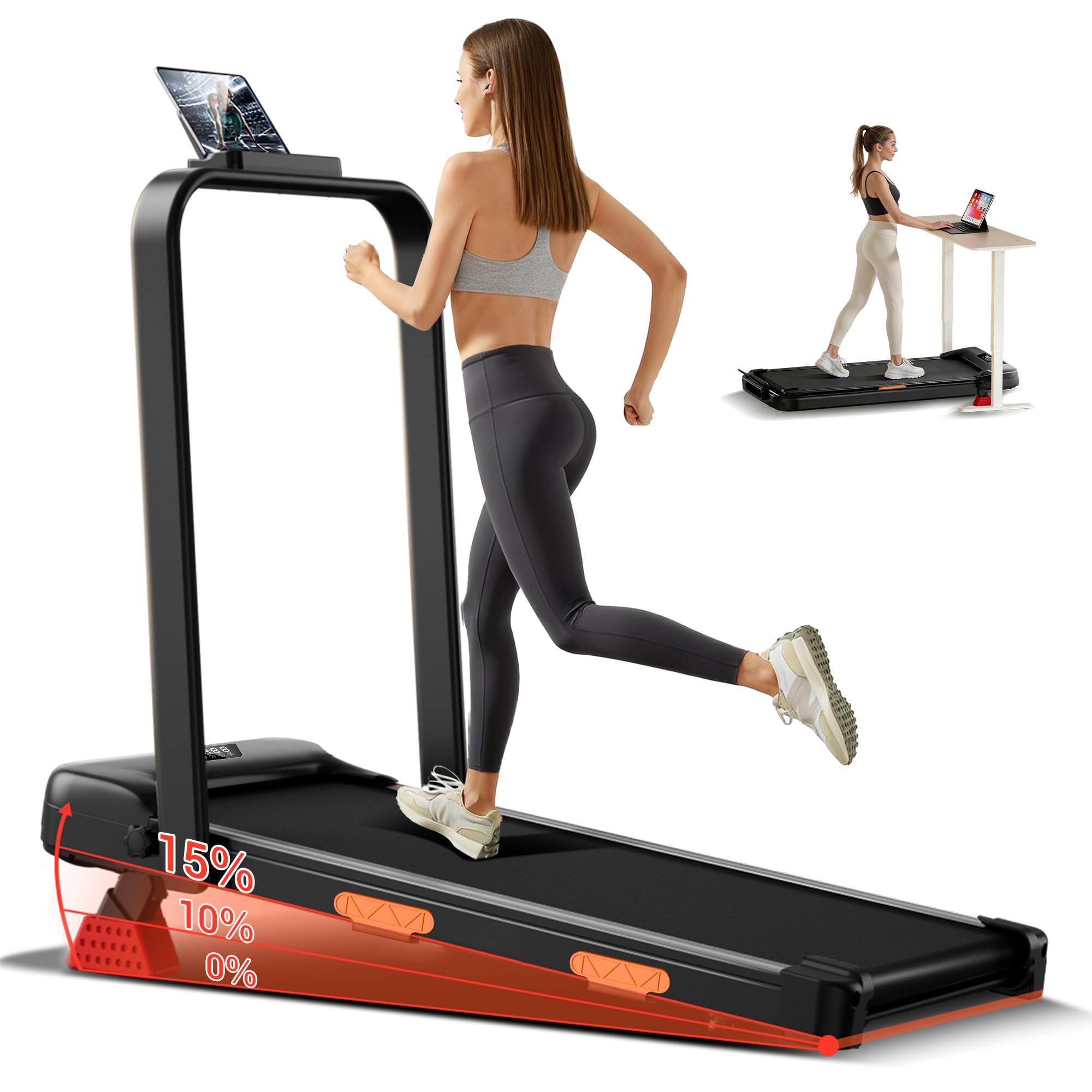
- Optional: a Cardirun Foldable Walking Pad for reference on incline operation and remote control functionality.
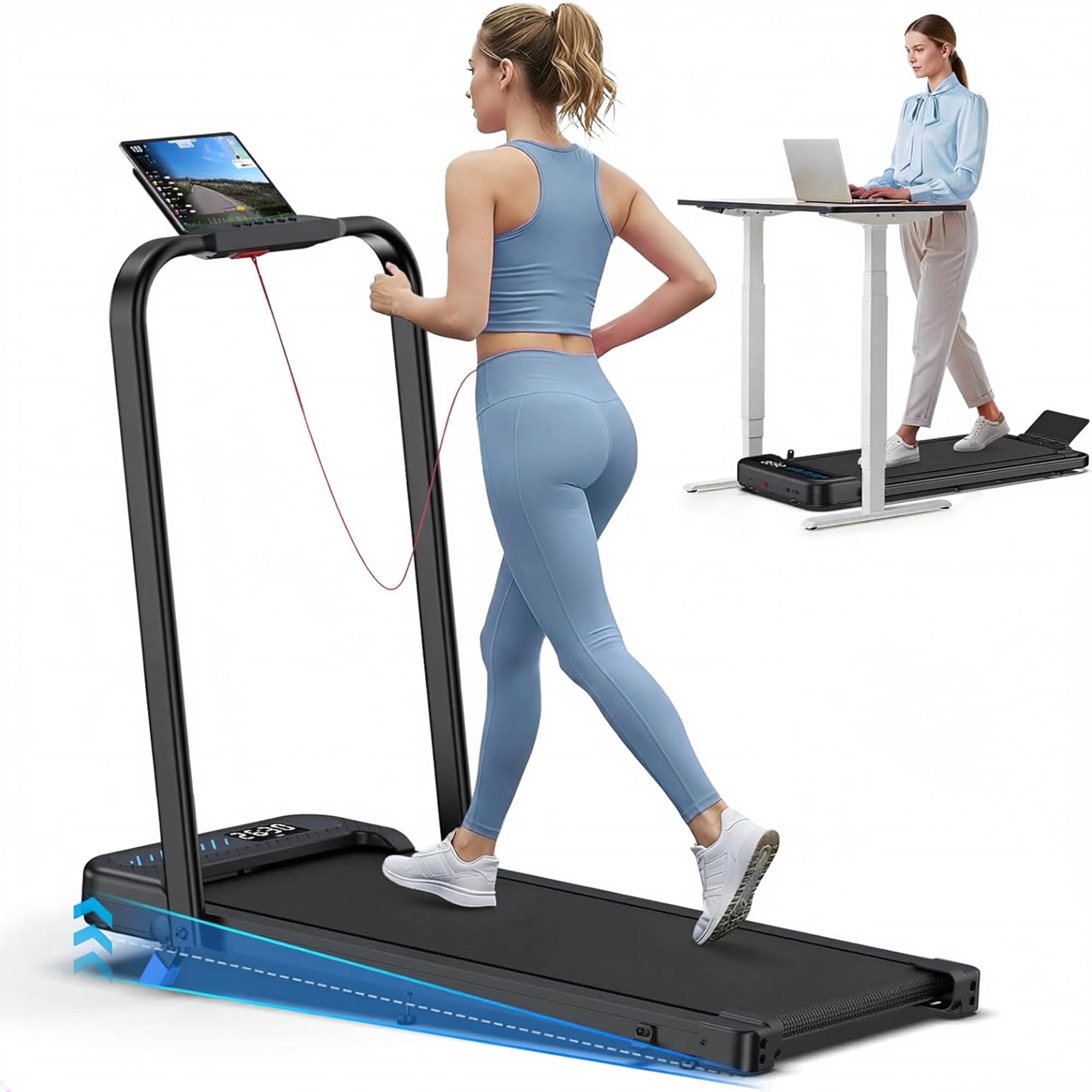
- Optional: a LONTEK 3-in-1 Foldable Treadmill to compare fold‑thin design and noise levels.
Step‑by‑Step Inspection Checklist
Step 1: Prepare a Safe Workspace
Begin by clearing a minimum of six feet around the treadmill to allow unrestricted movement during testing. Place a non‑slip mat on the floor to protect both the equipment and the surrounding surface. Ensure that a reliable power outlet is within reach and that the circuit can handle the motor's amperage draw, typically 10‑15 amps for home units. This preparation reduces the risk of accidents and provides a controlled environment for accurate measurements.
Step 2: Exterior Visual Inspection
Examine the frame for dents, cracks, or rust that could compromise structural integrity. Verify that all bolts and fasteners are present and tightened; missing hardware often indicates prior disassembly without proper reassembly. Inspect the handrail, if present, for signs of wear or loose joints, as the handrail bears user weight during incline use. Document any cosmetic damage with photographs, because even minor imperfections may affect resale value.
Step 3: Test the Folding Mechanism
Engage the folding latch and gently lower the treadmill to its compact position. The motion should be smooth, without grinding noises or excessive resistance. Check that the locking pins engage securely when the unit is unfolded; a loose lock can lead to instability during operation. The LONTEK 3-in-1 Foldable Treadmill exemplifies a well‑engineered folding system with a 4.3‑inch folded height, making it an excellent benchmark for evaluating hinge durability.
Step 4: Verify Belt Tension and Alignment
Run the treadmill at its lowest speed setting and observe the belt for drift to either side. Use a measuring tape to confirm that the belt width is consistent along its entire length, typically 36 inches for the Cardirun model. Adjust the tension knobs until the belt moves without slipping while maintaining a slight amount of give; overtightening can cause premature wear on the motor bearings. The 7‑layer anti‑slip belt and 8 silicone shock absorbers of the Cardirun Foldable Walking Pad provide a reference for optimal belt cushioning and joint protection.
Step 5: Evaluate Motor Performance and Noise Level
Increase the speed incrementally to the maximum advertised setting, noting any irregular vibrations or stuttering. Use a decibel meter, if available, to measure noise; a well‑designed unit should remain below 45 dB, comparable to the quiet operation of the LONTEK treadmill's 2.5 HP brushless motor. Listen for grinding or squealing sounds that may indicate worn bearings or misaligned pulleys. Consistent, smooth acceleration demonstrates that the motor and drive belt are in good condition.
Step 6: Inspect Incline Mechanism
Activate the manual incline lever or remote control to raise the deck to its maximum 10‑15 % grade, depending on the model. The incline should lock firmly at each increment without wobble. Observe the deck for any creaking noises that could signal weakened support brackets. The Cardirun's 10 % manual incline offers a realistic hill‑climbing experience, while the LONTEK provides a 15 % motorized incline; comparing both helps assess the smoothness and reliability of the incline system on the used unit.
Step 7: Test Electronics, Display, and Remote
Power on the console and verify that the LED display shows time, speed, distance, and calorie count accurately. Navigate through the menu using the remote control, ensuring that each button registers a response without delay. Check the USB or auxiliary ports for proper voltage output if the treadmill includes charging capabilities. Faulty electronics often require expensive repairs, so confirming full functionality at this stage is essential.
Step 8: Review Documentation and Warranty Options
Ask the seller for the original user manual, purchase receipt, and any warranty paperwork. A valid warranty transfer can provide peace of mind and reduce future service costs. Verify the serial number on the frame matches the one listed in the documentation, as mismatched numbers may indicate parts replacement or counterfeit units. Retain copies of all documents for future reference.
Tips & Pro Tips
- Perform the inspection during daylight hours or use a bright flashlight to reveal hidden cracks.
- Bring a friend to help lift the treadmill when testing the folding mechanism; this prevents personal injury.
- Record the motor's amperage draw with a clamp meter; a significant deviation from the rated value suggests internal wear.
- If possible, request a short trial period of 30 minutes to assess comfort and noise in real‑world conditions.
- Compare the used unit's specifications with those of the Cardirun Foldable Walking Pad and the LONTEK 3-in-1 Foldable Treadmill to gauge market standards.
Troubleshooting Common Issues
Issue: Belt slips at higher speeds.
Solution: Increase belt tension using the adjustment knobs, and ensure the deck is level. If slipping persists, the drive belt may be worn and require replacement.
Issue: Console displays erratic numbers.
Solution: Reset the console by unplugging the unit for one minute, then reconnect. Persistent errors may indicate a faulty control board, which should be inspected by a qualified technician.
Issue: Excessive noise above 45 dB.
Solution: Lubricate the motor shaft and check for loose bolts on the frame. If noise remains high, the motor bearings may be deteriorating.
Conclusion
Inspecting a used folding treadmill demands meticulous attention to structural, mechanical, and electronic details. By following the checklist presented in this guide, one can identify defects, verify performance claims, and negotiate with confidence. The optional reference models—the Cardirun Foldable Walking Pad and the LONTEK 3‑in‑1 Foldable Treadmill—serve as reliable benchmarks for evaluating incline smoothness, fold‑thin design, and noise levels. A thorough inspection not only safeguards the buyer's investment but also ensures a safe and enjoyable workout experience for years to come.
Products Mentioned in This Guide
Frequently Asked Questions
What visual signs indicate a used folding treadmill may have hidden damage?
Look for cracked frames, worn or frayed belts, rust on metal parts, and any missing screws or panels.
How can I test the motor and electronics of a used folding treadmill?
Use a digital multimeter to check voltage and continuity on the motor leads and control board while the treadmill is unplugged.
What tools are essential for inspecting a folding treadmill’s mechanical components?
A flashlight or headlamp, flat‑head and Phillips screwdrivers, a level, and a measuring tape are necessary for a thorough check.
How do I verify belt alignment and tension on a used folding treadmill?
Place the treadmill on a level surface, measure belt offset from the center, and ensure the belt has even tension without excessive slack.
Why is it important to test incline and remote functions on a used folding treadmill?
Checking the incline mechanism and remote ensures the treadmill operates smoothly and matches the advertised features, preventing future repairs.