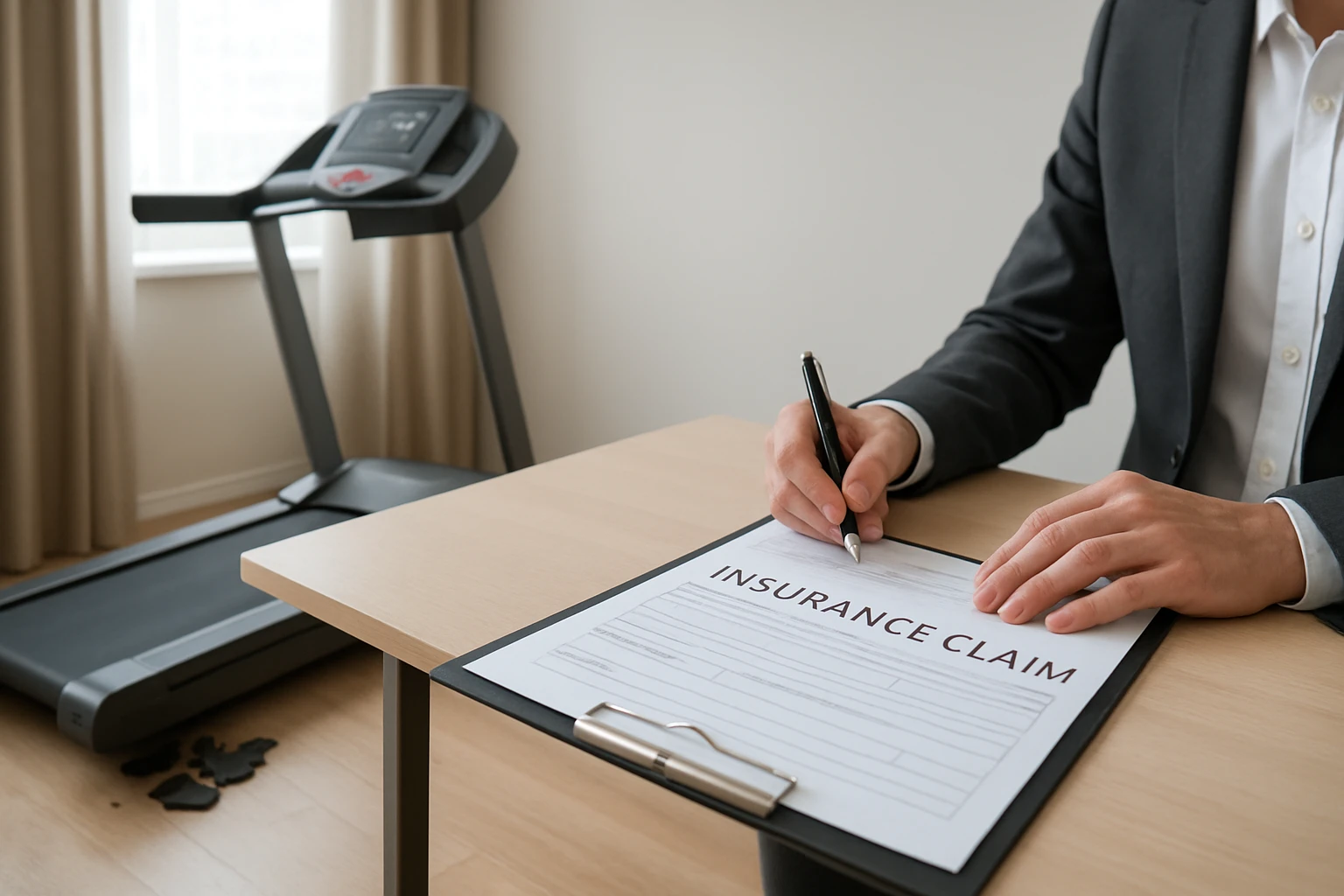
How to File an Insurance Claim for Treadmill Damage in Your Apartment: Step‑by‑Step Guide for Renters
Introduction
Renters who invest in home fitness equipment often overlook the risk of accidental damage. When a treadmill or walking pad harms a hardwood floor, carpet, or wall, the cost of repair can be significant. This guide explains the entire process of filing an insurance claim for treadmill damage, from gathering evidence to negotiating with the insurer. Readers will also discover protective products that can reduce future claims and improve the longevity of their workout space.
Background and Context
Most renters carry a personal liability policy as part of their renters insurance. That policy typically covers accidental damage to the dwelling caused by the tenant. However, coverage limits, deductibles, and exclusions vary widely between insurers. Understanding the terminology—such as "per‑occurrence limit" and "actual cash value"—helps renters set realistic expectations before filing a claim.
In addition, many landlords require tenants to protect the premises from heavy equipment. Using a high‑density treadmill mat can prevent dents, scratches, and moisture damage. Selecting the right mat not only safeguards the apartment but also strengthens the claim by demonstrating proactive risk mitigation.
Step‑by‑Step Claim Process
1. Assess the Damage Immediately
After the treadmill incident, stop using the equipment and inspect the surrounding area. Look for visible scratches, dents, or moisture stains on flooring, baseboards, and walls. Photograph each defect from multiple angles with good lighting. Detailed images become essential evidence when the insurance adjuster evaluates the claim.
2. Review Your Policy Documents
Locate the renters insurance declaration page and identify the coverage for "personal property" and "damage to the dwelling". Note the deductible amount and any sub‑limits that apply to accidental damage. If the policy language is unclear, contact the insurer’s customer service department for clarification.
3. Notify Your Landlord
Most lease agreements require tenants to inform the landlord of any damage within a reasonable time frame. Send a written notice that includes a brief description of the incident, the date it occurred, and an intention to file an insurance claim. Keeping the landlord informed helps avoid disputes over responsibility.
4. Gather Supporting Documentation
In addition to photographs, collect receipts for the treadmill, the protective mat, and any repair invoices. If the treadmill is still under warranty, include the warranty card. A written statement from a professional repair technician describing the cause of the damage adds credibility.
5. Initiate the Claim with Your Insurer
Log into the insurer’s online portal or call the claims hotline. Provide the policy number, a concise description of the incident, and upload the documentation prepared in the previous step. Request an adjuster visit if the damage is extensive; otherwise, many insurers will settle based on the submitted evidence.
6. Follow Up and Negotiate
After the adjuster’s report, review the settlement offer. If the amount does not cover the repair costs, submit additional estimates or negotiate a higher payout. Remember that the deductible will be subtracted from any approved amount.
7. Complete Repairs and Retain Records
Once the claim is approved, arrange for professional repairs or replace the damaged flooring. Keep all invoices and final receipts; some insurers may request proof of completion before releasing the final payment.
Recommended Protective Products
Investing in a high‑quality treadmill mat can prevent many of the issues described above. The following products have been selected based on durability, user ratings, and suitability for apartment environments.
- LZMYIVE Foldable Treadmill Mat – 55" x 23.6", 6 mm high‑density PVC, double‑sided non‑slip surface, waterproof, folds to 12" x 8" x 4" for storage. Rated 4.6/5 from 20 reviews and priced at $24.99.
- THAILE Treadmill Mat – 78.7" x 39.4", 0.16" thick heavy‑duty PVC, foldable into squares, waterproof, noise‑absorbing. Rated 4.7/5 from 210 reviews and priced at $29.99.
- Stepwaver Walking Pad Mat – 55" x 23.6", industrial‑grade PVC, folds to 7.9" x 11.8", non‑slip texture, waterproof. Rated 4.6/5 from 1,105 reviews and priced at $23.98.
Each of these mats provides shock absorption and floor protection, which can be cited in the claim to demonstrate that reasonable precautions were taken. The LZMYIVE mat, for example, folds in five seconds and fits into a backpack, making it ideal for renters with limited storage space.
Comparison and Selection Guide
| Feature | LZMYIVE | THAILE | Stepwaver |
|---|---|---|---|
| Dimensions (unfolded) | 55" x 23.6" | 78.7" x 39.4" | 55" x 23.6" |
| Thickness | 6 mm (¼") | 0.16" | 6 mm (¼") |
| Folded Size | 12" x 8" x 4" | Custom squares (compact) | 7.9" x 11.8" |
| Waterproof | Yes | Yes | Yes |
| Non‑Slip | Double‑sided texture | Surface texture | Textured surface |
| Price | $24.99 | $29.99 | $23.98 |
| Rating | 4.6/5 (20) | 4.7/5 (210) | 4.6/5 (1,105) |
Renters with very limited closet space may prefer the LZMYIVE mat because of its rapid folding mechanism. Those who own larger equipment, such as a full‑size treadmill, will find the THAILE mat’s larger footprint more appropriate. The Stepwaver mat offers the most reviews, indicating a broad user base and reliable performance.
Best Practices & Tips for Preventing Future Claims
- Place a high‑density mat under every piece of heavy equipment. The mat should cover the entire footprint of the treadmill to distribute weight evenly.
- Inspect the mat regularly for wear or tears. Replace it when the anti‑slip texture becomes smooth, as loss of traction can lead to equipment shifting and floor damage.
- Keep the treadmill’s wheels clean and free of debris. Dirt can scratch hardwood floors even when a mat is present.
- Maintain a low humidity level in the apartment. Excess moisture can degrade PVC mats and cause them to become sticky, reducing their protective qualities.
- Document all maintenance activities, including mat cleaning and equipment servicing. This record can be valuable if a future claim is filed.
Frequently Asked Questions
Can I claim treadmill damage if the floor was already old?
Yes, if the damage can be directly linked to the treadmill incident. Providing before‑and‑after photos helps establish causation.
Do renters insurance policies cover damage to personal equipment?
Typically, personal property coverage reimburses the cost of the treadmill itself, while damage to the dwelling (flooring, walls) falls under the liability portion. Review the policy limits for each category.
What if my landlord refuses to let me use a treadmill?
Check the lease agreement for any clauses restricting heavy equipment. If the lease does not explicitly prohibit it, discuss the use of a protective mat and present a plan to mitigate risk.
How long does the claim process usually take?
Most insurers process simple claims within two to four weeks after receiving all documentation. Complex claims involving professional repairs may take longer.
Is it necessary to hire a professional adjuster?
For minor floor scratches, the insurer may accept photographs and a repair estimate. For extensive structural damage, a professional adjuster can provide an accurate assessment that speeds up settlement.
Conclusion
Filing an insurance claim for treadmill damage requires careful documentation, clear communication with the landlord, and a solid understanding of policy coverage. By following the step‑by‑step process outlined above, renters can maximize their reimbursement while minimizing disruption to their fitness routine. Selecting a reliable protective mat—such as the LZMYIVE Foldable Treadmill Mat, THAILE Treadmill Mat, or Stepwaver Walking Pad Mat—further reduces the likelihood of future claims and protects the apartment’s value.
Products Featured in This Guide
LZMYIVE Foldable Treadmill Mat
Price: $24.99 | Rating: 4.6/5 (20 reviews)
Featured because it provides a 6 mm high‑density PVC surface, double‑sided non‑slip texture, and folds to a compact 12" x 8" x 4" size, making it ideal for renters with limited storage.
THAILE Treadmill Mat
Price: $29.99 | Rating: 4.7/5 (210 reviews)
Featured because its larger 78.7" x 39.4" footprint accommodates full‑size treadmills, and its foldable square design offers flexible storage options.
Stepwaver Walking Pad Mat
Price: $23.98 | Rating: 4.6/5 (1,105 reviews)
Featured because it combines industrial‑grade PVC durability with a compact folded size of 7.9" x 11.8", suitable for small apartments and portable storage.