Cost to Reinforce an Apartment Floor for a Treadmill: Complete Guide to DIY, Professional, and Budget Options
Introduction
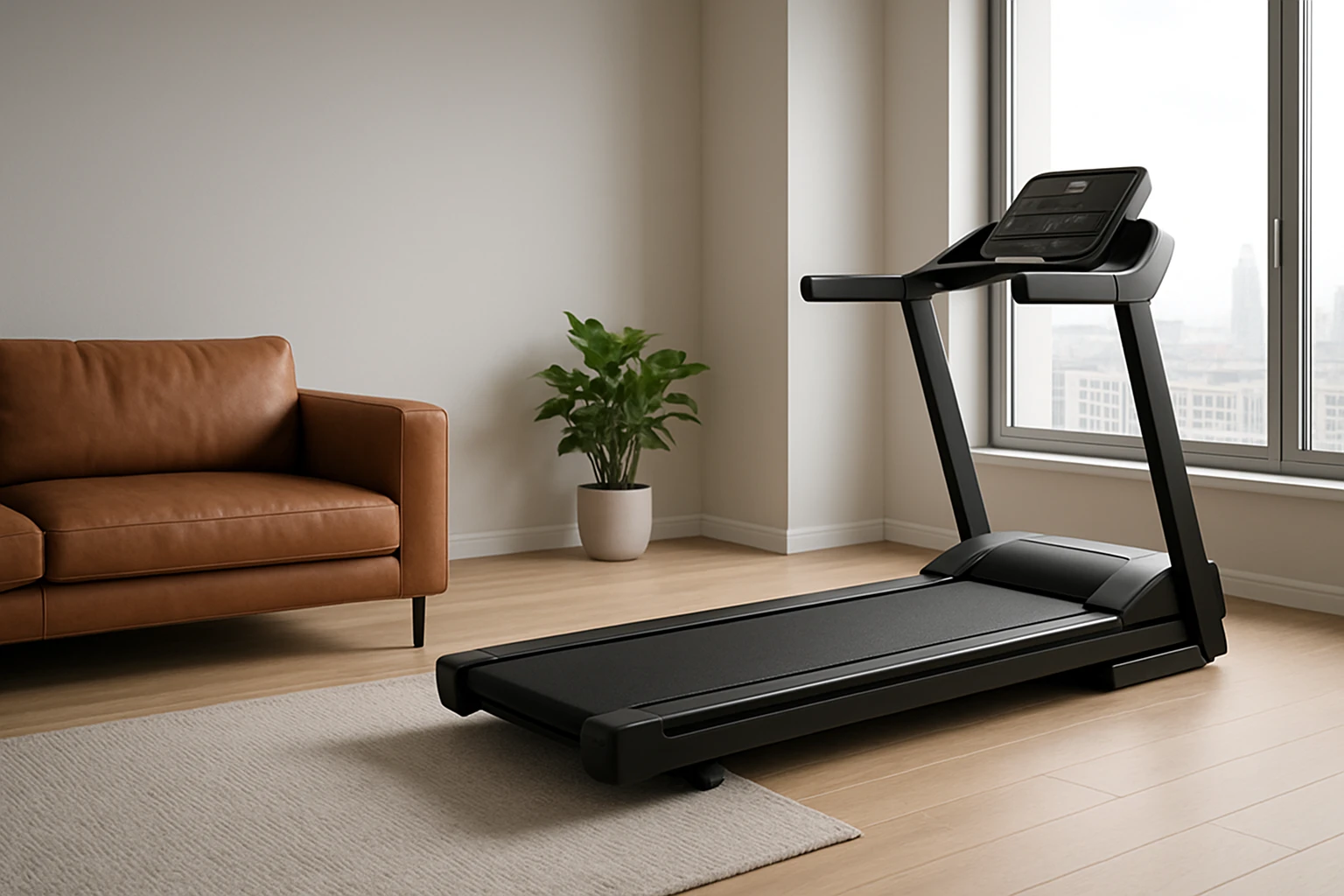
Living in an apartment does not preclude the enjoyment of a home treadmill. However, the structural limits of multi‑unit buildings often require careful planning before placing heavy fitness equipment on a floor. This guide explains how to evaluate floor load capacity, compare reinforcement strategies, and select cost‑effective solutions. Readers will learn the difference between DIY and professional reinforcement, understand budgeting considerations, and discover three highly rated floor‑protection mats that can safeguard both equipment and flooring.
Background/Context
Apartment floors are typically designed to support a static live load of 40–50 lb/ft², with additional allowances for furniture. A standard treadmill can exert dynamic forces up to 150 lb during vigorous use, especially when the belt accelerates or the user runs. These forces can cause squeaking, flexing, or, in extreme cases, structural damage. Reinforcement therefore focuses on distributing weight, reducing vibration, and preventing moisture damage.
Two categories of reinforcement exist: structural (joists, subfloor, or load‑bearing walls) and surface protection (anti‑slip mats, vibration‑absorbing pads). While structural upgrades require professional assessment, surface solutions are often sufficient for compact walking pads and low‑impact bikes.
Assessing Floor Load Capacity
The first step is to determine whether the existing floor can support the treadmill without modification. Follow these actions:
- Locate the building’s structural plans or contact the property manager for joist spacing and material specifications.
- Measure the treadmill’s footprint and weight. Most mid‑range models weigh 70–120 lb, with a belt area of roughly 20 in × 55 in.
- Calculate the point load: divide the treadmill weight by its contact area. Compare this figure to the floor’s rated load per square foot.
If the calculated load exceeds the floor rating, reinforcement is required. In many cases, adding a high‑density protective mat can reduce peak pressure by up to 30 % because the mat spreads the force across a larger surface.
DIY Reinforcement Options
For renters or budget‑conscious owners, DIY methods provide a practical middle ground. The most common approach is to install a plywood sub‑panel over the existing floor. Use ¾‑inch exterior‑grade plywood, cut to the treadmill’s dimensions plus a 2‑inch margin on each side. Secure the panel with construction adhesive and a few screws to the joists if they are accessible. This creates a rigid platform that limits flex.
Another inexpensive solution is to layer a dense rubber or foam mat beneath the treadmill. The mat should be at least 1/4‑inch thick, non‑slip, and water‑resistant. It acts as a shock absorber and protects the floor from sweat.
Below are two products that excel in this role:
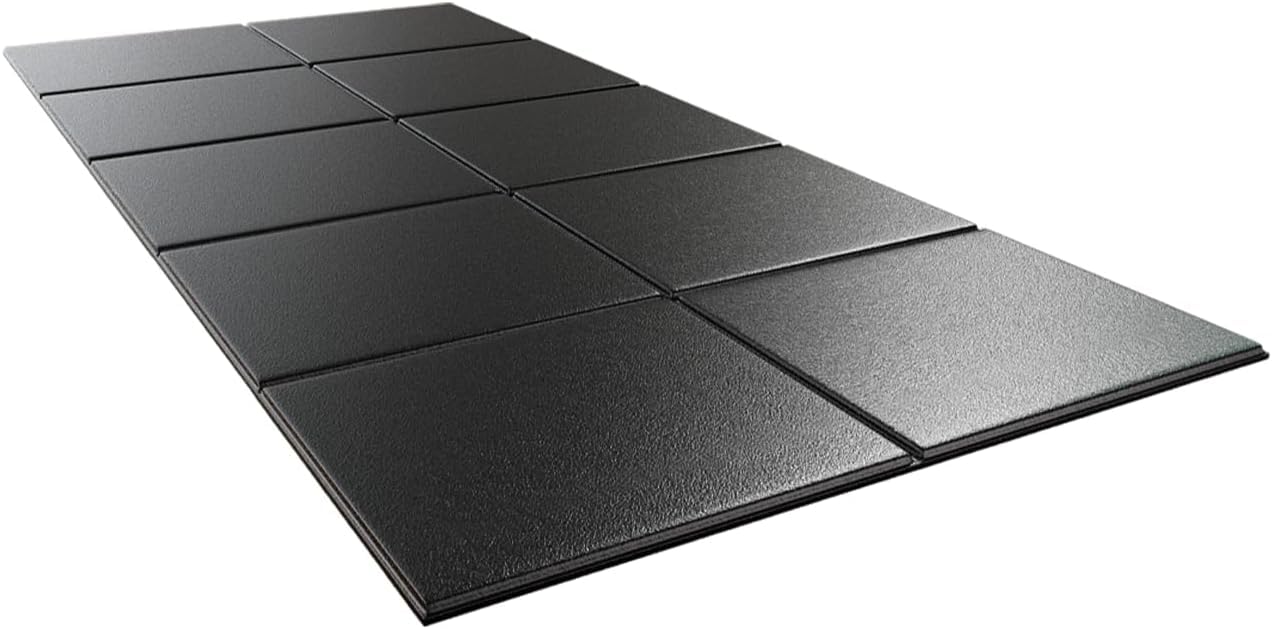
- ABBER Foldable Treadmill Mat – 51" × 23.6" size, waterproof surface, anti‑slip bottom, folds to 11.8" × 10.5" × 2.1" for storage. Rated 4.2/5 from 81 reviews and priced at $17.99.
- Fitvids High Density Gym Mat – 2.5 ft × 5 ft, 1/4‑inch thickness, engineered for heavy equipment, noise‑reduction, and stability. Rated 4.7/5 from 27,431 reviews and priced at $25.99.
Both mats provide a stable, moisture‑resistant barrier that can be placed directly on the floor without permanent installation.
Professional Reinforcement Services
When the treadmill exceeds the floor’s capacity, a licensed contractor should be consulted. Professional reinforcement typically involves one of the following:
- Joist Sistering: Adding a new joist alongside an existing one to double the load‑bearing capacity. Costs range from $300 to $800 per joist, depending on material and labor rates.
- Subfloor Replacement: Removing the existing subfloor and installing ¾‑inch plywood or OSB with reinforced cross‑bracing. Expect $1,500 to $3,000 for a 200‑sq‑ft area.
- Concrete Overlay: In buildings with wood joists, a thin concrete overlay can distribute weight evenly. This is the most expensive option, often exceeding $5,000.
Professional services provide a permanent solution, ensure compliance with building codes, and protect the tenant’s security deposit.
Budget‑Friendly Alternatives
If structural reinforcement is not feasible, consider these cost‑saving tactics:
- Use a compact walking pad instead of a full‑size treadmill. Walking pads typically weigh under 50 lb and exert lower dynamic forces.
- Place the treadmill on a tiled or concrete area of the building’s common hallway, if permitted, to bypass the apartment floor entirely.
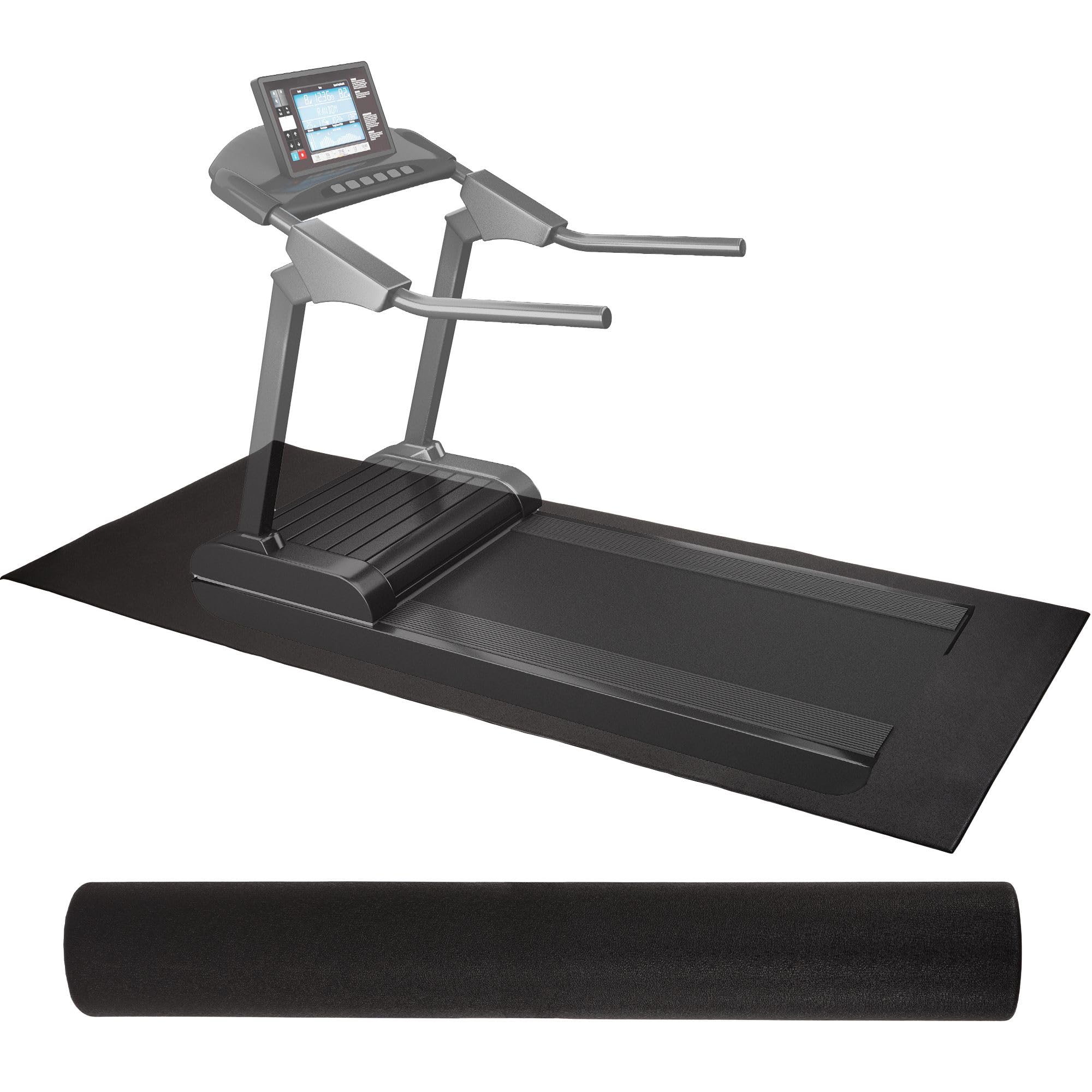
- Invest in a premium protective mat such as the Sunny Health Equipment Mat. Its 4.2 mm high‑density EVA foam offers vibration dampening and a non‑slip surface, suitable for both treadmills and stationary bikes.
The Sunny Health mat is available in multiple sizes; the extra‑small 30 × 20 in version is ideal for narrow walking pads. Although the price is not listed, the product’s high rating (4.6/5 from 27,074 reviews) indicates strong consumer confidence.
Comparison/Selection Guide
| Feature | ABBER Foldable Treadmill Mat | Fitvids High Density Gym Mat | Sunny Health Equipment Mat |
|---|---|---|---|
| Dimensions | 51" × 23.6" (folds to 11.8" × 10.5" × 2.1") | 30" × 60" (2.5 ft × 5 ft) | Multiple sizes; extra‑small 30" × 20" |
| Thickness | 4 mm | 1/4" (≈6.35 mm) | 4.2 mm |
| Weight Capacity | Suitable for walking pads and compact bikes | Designed for heavy equipment, up to 300 lb | Supports treadmill, bike, elliptical, and standing desk |
| Waterproof / Easy Clean | Waterproof surface film, wipes clean | Resists moisture, easy wipe‑down | Water‑resistant, washable |
| Anti‑Slip | Anti‑slip bottom pattern | Anti‑slip design for stability | Textured rubber surface |
| Price (USD) | $17.99 | $25.99 | Not listed (average market $20‑$30) |
| Rating | 4.2/5 (81 reviews) | 4.7/5 (27,431 reviews) | 4.6/5 (27,074 reviews) |
When choosing a mat, prioritize thickness and anti‑slip properties for high‑impact treadmills. For walking pads, the ABBER mat offers the best storage convenience, while the Fitvids mat excels in noise reduction for louder equipment.
Best Practices & Tips
- Measure twice, buy once: Verify treadmill dimensions against mat size before purchase.
- Use a level surface: Uneven floors amplify vibration; a plywood sub‑panel can correct minor irregularities.
- Maintain moisture control: Wipe the mat after each session to prevent sweat‑induced corrosion of floorboards.
- Secure the mat: Ensure the anti‑slip side faces down; a loose mat can shift and cause injury.
- Periodic inspection: Check for wear, especially at edges, and replace when the surface becomes smooth.
Frequently Asked Questions
- 1. How much does a professional floor reinforcement typically cost?
- Costs vary by method: joist sistering $300‑$800 per joist, subfloor replacement $1,500‑$3,000 for a 200‑sq‑ft area, and concrete overlay $5,000+.
- 2. Can I place a treadmill on a carpeted floor without reinforcement?
- Only if the carpet is thin and a high‑density mat like the Fitvids or Sunny Health mat is used to distribute weight. Heavy treadmills on thick carpet usually require additional support.
- 3. Will a foldable mat damage my hardwood floor?
- No. The ABBER Foldable Treadmill Mat has a sealed waterproof surface and anti‑slip bottom, preventing moisture penetration and scratches.
- 4. Is it safe to use a treadmill on a balcony?
- Balconies are generally not designed for dynamic loads. Consult a structural engineer before placing any treadmill on an exterior platform.
- 5. How often should I replace my protective mat?
- When the surface shows visible wear, loses anti‑slip texture, or develops permanent indentations—typically every 2‑3 years for high‑usage households.
- 6. Do I need permission from my landlord to reinforce the floor?
- Yes. Any permanent structural alteration requires written approval; temporary solutions like mats usually do not.
Conclusion
Reinforcing an apartment floor for a treadmill involves understanding load limits, evaluating DIY versus professional options, and selecting an appropriate protective mat. By measuring equipment, calculating load, and applying the right combination of structural support and surface protection, residents can safely enjoy cardio workouts without compromising their lease or building integrity. The three mats highlighted—ABBER Foldable Treadmill Mat, Fitvids High Density Gym Mat, and Sunny Health Equipment Mat—provide reliable, affordable solutions that complement any reinforcement strategy.
Products Featured in This Guide
ABBER Foldable Treadmill Mat
Price: $17.99 | Rating: 4.2/5 (81 reviews)
Featured for its compact folding design, waterproof surface, and anti‑slip bottom, making it ideal for small walking pads and stationary bikes in apartments.
Fitvids High Density Gym Mat
Price: $25.99 | Rating: 4.7/5 (27,431 reviews)
Featured for its 1/4‑inch thickness, superior noise reduction, and stability, suitable for heavy treadmills and bikes where extra cushioning is required.
Sunny Health Equipment Mat
Rating: 4.6/5 (27,074 reviews)
Featured for its high‑density EVA foam, multi‑size options, and waterproof, non‑slip surface, providing versatile protection for a wide range of fitness equipment.