Introduction
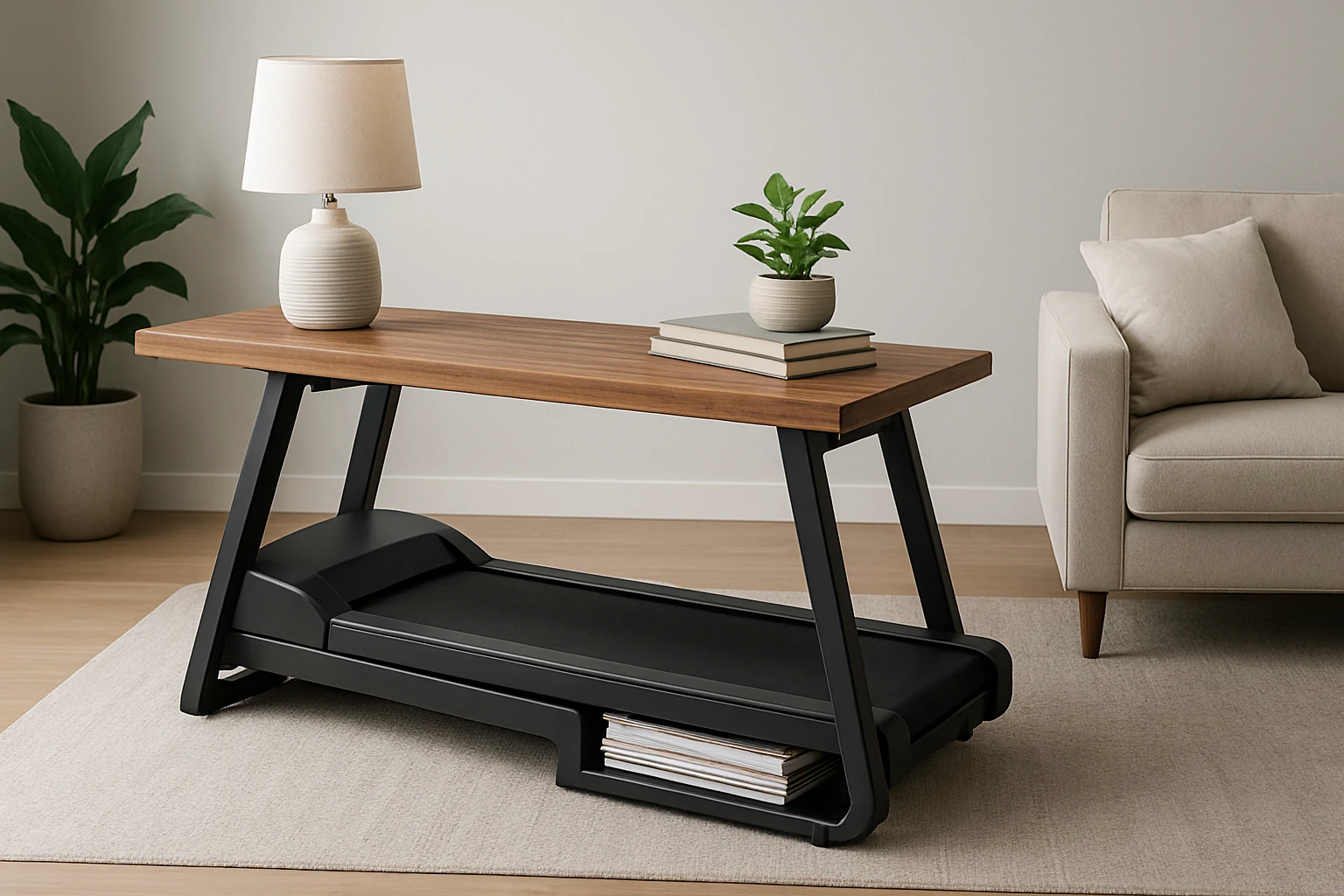
The reader will discover how to transform a discarded folding treadmill into a piece of furniture that combines modern aesthetics with sustainable craftsmanship. This guide emphasizes the value of repurposing sturdy treadmill frames, which provide a reliable structural core for tables, benches, or storage units. By following each phase, one will acquire skills in disassembly, wood preparation, joinery, and finishing, thereby expanding one’s DIY repertoire. The result is a functional item that reduces waste while adding unique character to any interior space.
What You’ll Need
- Old folding treadmill (cleaned and free of hazardous components)
- Pallet wood or reclaimed lumber (recommended sources are described in the product sections)
- Basic hand tools: screwdriver, wrenches, hammer, hand saw, and measuring tape
- Power tools (optional but helpful): circular saw, drill, orbital sander
- Finishing supplies: sandpaper, wood filler, stain or paint, clear sealant
- Safety gear: gloves, safety glasses, dust mask
Step 1: Disassemble the Treadmill
The first task is to remove all electronic components, belts, and moving parts that are not required for the furniture structure. Begin by unplugging the machine and disconnecting the power cord, then use a screwdriver to detach the console and motor housing. Retain the metal frame and any sturdy crossbars, as these will serve as the core support for the final piece. Dispose of electronic waste responsibly according to local regulations.
During disassembly, one may encounter fasteners that are rusted or stripped; applying penetrating oil and using a wrench can ease removal. It is advisable to label each group of hardware in separate bags to simplify reassembly if desired. The cleaned frame should be inspected for cracks; any compromised sections must be reinforced or replaced with new wood. This step prepares a solid skeleton on which pallet wood will be attached.
Step 2: Clean and Prepare the Frame
After removing the unwanted components, the metal frame requires thorough cleaning to eliminate dust, grease, and rust. Use a wire brush followed by a degreaser, then wipe the surface with a damp cloth and allow it to dry completely. If rust spots remain, apply a rust converter to prevent future corrosion, especially if the furniture will be placed in a humid environment.
Once the frame is clean, apply a coat of primer designed for metal surfaces; this will improve adhesion of any subsequent finishes applied to the wood. Allow the primer to cure according to the manufacturer’s instructions before proceeding to the next phase. This preparation ensures a durable bond between the metal skeleton and the wooden components that will be added later.
Step 3: Design the Furniture Concept
At this stage, one should sketch the intended furniture piece, whether it is a coffee table, bench, or storage chest. The design must consider the dimensions of the treadmill frame, as it dictates the maximum length, width, and height of the final product. For inspiration, consult Essential Wood Pallet Projects Guide, which offers a variety of pallet‑based designs that can be adapted to the treadmill’s shape.
The guide provides clear diagrams and material lists, enabling the creator to estimate the amount of pallet wood required. Its rating of 4.7 out of 5 stars from 16 reviews indicates a high level of satisfaction among readers. Priced at $16.99, it represents an affordable reference that can accelerate the planning process.
Step 4: Source and Prepare Pallet Wood
Locate free or low‑cost pallets from local businesses, then dismantle them using a pry bar and hammer. Select boards that are free of rot, large knots, or excessive warping, as these defects can weaken the finished furniture. After cutting the boards to the required dimensions, sand each surface with medium‑grit sandpaper to remove splinters and rough spots.
For additional project ideas and specific cut‑list templates, the Wood Pallet Workshop offers twenty ready‑to‑build projects that illustrate creative uses of pallet wood. Although this book focuses on standalone pallet projects, its design principles can be merged with the treadmill frame to produce hybrid pieces. The workshop book is priced at $14.04 and holds a rating of 4.4 stars from 189 reviews, confirming its usefulness for intermediate makers.
Step 5: Apply Joinery Techniques
With the wooden components ready, the next step is to join them securely to the metal frame. Traditional joinery methods such as mortise‑and‑tenon, dowel joints, and pocket screws provide strong connections while maintaining a clean aesthetic. For detailed explanations of these techniques, refer to Illustrated Cabinetmaking Guide, which presents clear illustrations of various joints and their applications.
The guide is valued at $9.99 and carries a 4.5‑star rating from over 2,200 reviewers, indicating its credibility among woodworkers. Its emphasis on visual learning helps the creator understand how to align grain direction and accommodate wood expansion, which is essential when attaching wood to a metal base that may experience temperature fluctuations. Use pocket‑hole screws for quick assembly, but reinforce high‑stress areas with dowels or brackets as demonstrated in the illustrated examples.
Step 6: Assemble the Furniture Piece
Begin by positioning the wooden tabletop or seat panels on the treadmill frame, ensuring that the weight distribution is even. Pre‑drill holes through the wood and into the metal using a drill bit sized for the chosen fasteners; this prevents splitting and guarantees a snug fit. Secure the panels with stainless‑steel screws, which resist corrosion and match the industrial aesthetic of the treadmill.
After the primary structure is assembled, add any auxiliary features such as side rails, drawer fronts, or decorative trim. If the design includes a lower shelf, attach it using the same joinery principles described earlier. Double‑check that all connections are tight and that the surface sits level; any wobble should be corrected by tightening screws or adding shims.
Step 7: Finish and Protect the Wood
The final appearance of the furniture depends on the finishing process, which protects the wood and enhances its visual appeal. Follow the finishing advice in Amazing Furniture Makeovers, a book that outlines step‑by‑step methods for staining, painting, and sealing reclaimed wood.
Priced at $9.99 with a 4.6‑star rating from 350 reviews, this resource emphasizes thorough surface preparation, the use of high‑quality brushes, and the importance of applying multiple thin coats of sealant. Begin by filling any small gaps with wood filler, then sand the filler smooth. Apply a penetrating stain to highlight the pallet wood’s natural grain, followed by a clear polyurethane topcoat for durability. Allow each coat to dry fully before handling the piece.
Step 8: Add Upholstery or Decorative Elements (Optional)
If the treadmill is being converted into a bench or lounge seat, consider adding a cushion or upholstered backrest. The upholstery guidance in Amazing Furniture Makeovers includes a chapter titled "Reupholstery Made Easy," which demystifies fabric selection, padding, and stitching techniques.
Choose a durable, washable fabric that complements the wood finish, then cut foam to the exact dimensions of the seat. Secure the foam with spray adhesive, wrap it in batting for added comfort, and finish with a staple gun. This optional step transforms the piece from a simple table into a versatile seating solution, expanding its utility within the home.
Tips & Pro Tips
- Test the stability of the assembled piece by applying pressure at the edges; reinforce any flexing areas with additional brackets.
- When sanding pallet wood, wear a dust mask to avoid inhaling fine particles.
- Apply a rust‑inhibiting primer to the metal frame before attaching wood to prevent future corrosion.
- Use a laser level to ensure that tabletop surfaces are perfectly horizontal.
- Consider adding caster wheels to the base for mobility; select wheels with a locking mechanism for safety.
Troubleshooting
Problem: Screws strip the wood when fastening to the metal frame.
Solution: Pre‑drill pilot holes slightly smaller than the screw diameter and use countersink bits to create a clean entry point.
Problem: Finish appears uneven after staining.
Solution: Sand the wood with progressively finer grits, then wipe away dust before each coat; apply the stain with a lint‑free cloth using consistent strokes.
Problem: The assembled piece wobbles on uneven flooring.
Solution: Attach adjustable furniture glides to the bottom of the frame; these can be tightened to level the piece.
Conclusion
The guide has demonstrated how to repurpose an old folding treadmill into a stylish, functional piece of furniture through systematic disassembly, thoughtful design, and skilled craftsmanship. By leveraging pallet wood, proven joinery methods, and professional finishing techniques, one can create a durable item that reflects both sustainability and personal style. Readers are encouraged to experiment with variations, such as adding storage compartments or decorative lighting, to further personalize the project. The transformation not only reduces waste but also provides a rewarding sense of accomplishment.
Products Mentioned in This Guide
Frequently Asked Questions
What parts of a folding treadmill are suitable for repurposing into furniture?
The sturdy metal frame and crossbars provide a reliable structural core, while the deck can be removed and replaced with reclaimed wood for surfaces.
Do I need power tools to convert a treadmill into a table or bench?
Power tools like a circular saw or drill speed up the process, but all steps can be completed with basic hand tools if needed.
How can I safely remove the treadmill’s electronic components?
Unplug the unit, disconnect the power cord, and use a screwdriver to detach the motor and wiring, then discard or recycle them according to local e‑waste guidelines.
What type of wood works best for the tabletop or seat?
Pallet wood, reclaimed lumber, or any solid hardwood works well; sand and plane it to achieve a flat, smooth surface before finishing.
What finish should I apply to protect the DIY furniture?
Apply a wood filler, sand smooth, then coat with stain or paint followed by a clear sealant to protect against moisture and wear.