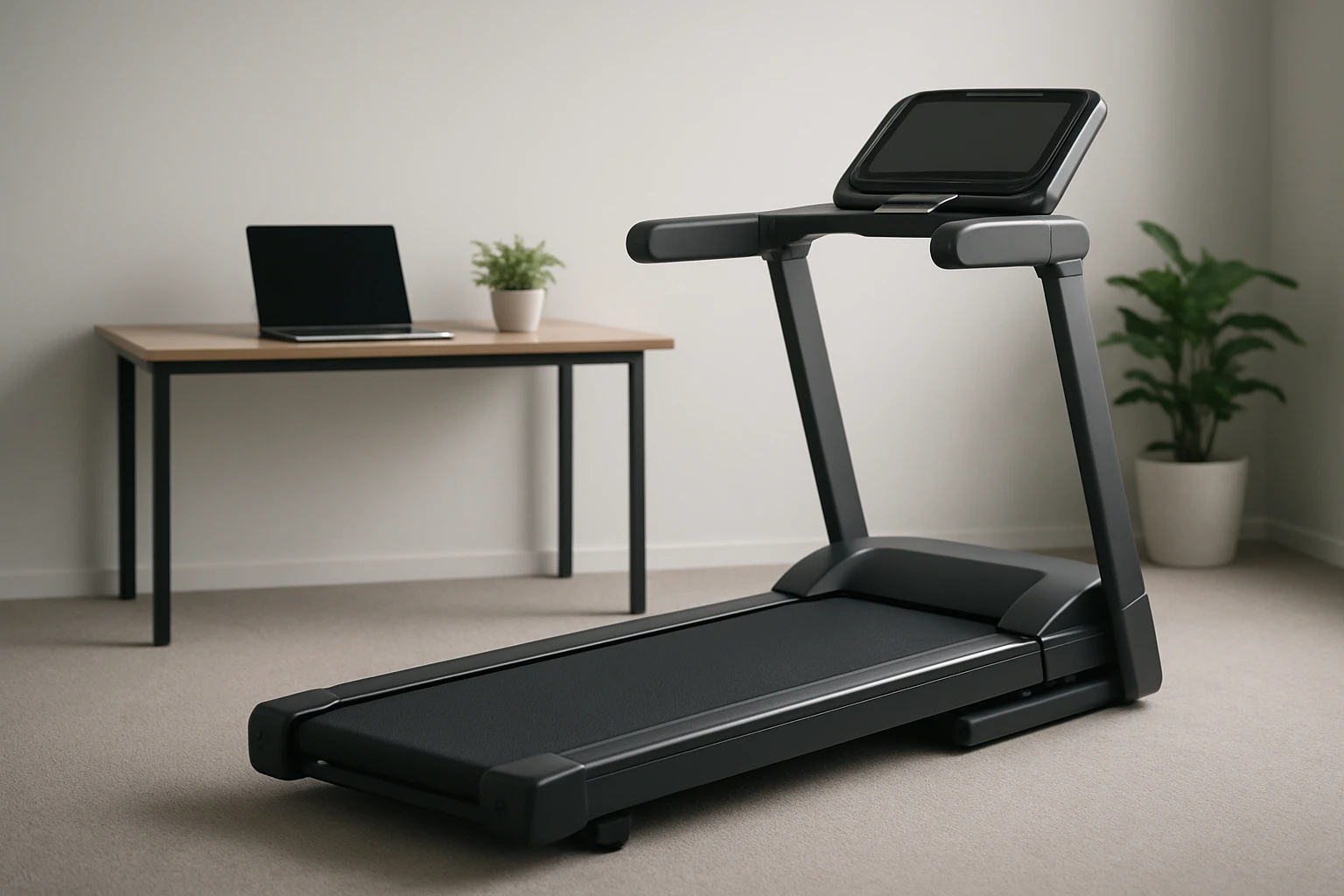
Can I Deduct a Home Treadmill on My Taxes in 2026? The Ultimate Guide to Home Gym Deductions and IRS Rules
Introduction
Taxpayers who maintain a personal fitness area often wonder whether the cost of a treadmill can be written off on a federal return. This guide explains the legal framework that governs home gym deductions in the tax year 2026, clarifies which expenses qualify, and provides actionable strategies for maximizing allowable deductions. Readers will learn the distinction between business use and medical necessity, discover the documentation required, and receive recommendations for equipment that aligns with deduction criteria. The information presented is based on current Internal Revenue Service publications and professional tax practice.
Background and Context
The Internal Revenue Code permits deductions for ordinary and necessary expenses that are directly related to a trade, business, or the production of income. When a treadmill is used exclusively for a home‑based business, the expense may be treated as a business asset and depreciated over its useful life. Alternatively, a treadmill purchased for medical reasons may be deductible as a medical expense if it is prescribed by a licensed health professional and the taxpayer itemizes deductions. Understanding these two pathways is essential before attempting to claim a deduction.
Section 162 of the Code addresses business expenses, while Section 213 governs medical expenses. Both sections require that the expense be reasonable in amount and that the taxpayer retain adequate records. The Tax Cuts and Jobs Act of 2017 introduced a simplified deduction for qualified home office expenses, but it does not automatically extend to fitness equipment unless the equipment is integral to the business activity.
In addition to the federal rules, many states conform to the federal definition of deductible medical expenses, though some states provide additional credits for health‑related purchases. Taxpayers should consult state‑specific guidance to determine whether a state deduction is available.
Eligibility Criteria for a Home Treadmill Deduction
To qualify for a business deduction, the treadmill must be used in a space that is regularly and exclusively used for business purposes. The exclusive‑use test is stringent; a room that doubles as a family entertainment area does not meet the requirement. If the treadmill is located in a dedicated home gym that is not used for personal recreation, the taxpayer may allocate a portion of the cost to the business.
For a medical expense deduction, the treadmill must be prescribed by a qualified health professional to treat a specific medical condition, such as obesity, hypertension, or a musculoskeletal disorder. The prescription must be documented in writing, and the expense must exceed the adjusted gross income threshold for medical expense itemization (7.5% of AGI for 2026).
Both pathways require that the taxpayer retain receipts, the original purchase invoice, and any supporting documentation such as a doctor's prescription or a business plan that explains the need for the equipment.
Business Use Deduction: Depreciation and Section 179
When a treadmill qualifies as a business asset, the taxpayer may elect to depreciate the equipment over a five‑year recovery period using the Modified Accelerated Cost Recovery System (MACRS). Alternatively, Section 179 allows the entire cost to be expensed in the year of purchase, provided the total Section 179 expense does not exceed the annual limit ($1,160,000 for 2026) and the business has sufficient taxable income.
Choosing between depreciation and Section 179 depends on the taxpayer’s overall tax situation. Expensing the full amount in the first year can reduce current‑year taxable income, but it eliminates future depreciation deductions. Conversely, spreading the deduction over several years can smooth tax benefits across multiple periods.
For example, a self‑employed personal trainer who purchases a treadmill solely for client sessions may elect Section 179 expensing, thereby reducing the year‑one tax liability substantially.
Medical Expense Deduction: Documentation and Limits
A medical expense deduction requires that the treadmill be medically necessary and prescribed. The taxpayer must retain the prescription, a statement of the medical condition, and proof of payment. The expense is deductible only to the extent that total medical expenses exceed 7.5% of adjusted gross income, and the taxpayer must itemize deductions on Schedule A.
Because the medical expense deduction is subject to the AGI floor, many taxpayers find that the benefit is modest unless the treadmill is part of a larger suite of medical expenses. Nonetheless, the deduction can be valuable for high‑income individuals whose medical expenses are already substantial.
It is advisable to consult a tax professional before claiming a medical expense deduction for a treadmill to ensure compliance with IRS regulations.
Recommended Equipment for Tax‑Friendly Home Gyms
When selecting equipment, taxpayers should consider both functional suitability and the ability to substantiate a business or medical purpose. The following products have been chosen because they combine quality, durability, and features that support professional or therapeutic use.
- CURSOR FITNESS 3-in-1 Treadmill – This model offers a 3‑level incline system (0%‑10%‑16%), a foldable frame, and three built‑in screens that display speed, distance, and calories. The treadmill supports up to 400 lb and includes 12 preset programs, making it suitable for a client‑focused personal training studio. Price: $159.99; Rating: 4.8/5 (76 reviews).
- Rythkore Under Desk Walking Pad – This compact unit features a whisper‑quiet 2.0 HP motor, speed range of 0.6‑4.0 MPH, and a remote control for hands‑free adjustments. Its thin 10.5 cm profile and lightweight design (15.5 kg) allow placement under a desk for ergonomic work‑day activity. Price: $89.99; Rating: 4.3/5 (160 reviews).
- BeMaxx Interlocking Gym Mats – The 18‑piece EVA foam set provides a protective surface for treadmill placement, reducing floor impact and noise. Each tile measures 12.6 in × 12.6 in × 0.4 in, and the set includes edge pieces for a seamless layout. Price: $26.99; Rating: 4.3/5 (21,100 reviews).
These items can be incorporated into a home gym that satisfies the exclusive‑use test, thereby strengthening the taxpayer’s position when claiming a deduction.
Comparison and Selection Guide
| Feature | CURSOR FITNESS 3‑in‑1 Treadmill | Rythkore Under Desk Walking Pad | BeMaxx Interlocking Gym Mats |
|---|---|---|---|
| Primary Use | Full‑size running and incline training | Low‑impact walking while seated | Floor protection for any equipment |
| Maximum Load | 400 lb | 220 lb | Supports treadmill weight |
| Space Requirement | Requires dedicated room (foldable) | Fits under most desks (10.5 cm height) | Tiles cover up to 18 ft² |
| Price | $159.99 | $89.99 | $26.99 |
| Rating | 4.8/5 (76 reviews) | 4.3/5 (160 reviews) | 4.3/5 (21,100 reviews) |
When the primary goal is to provide a professional‑grade training environment for clients, the CURSOR FITNESS 3‑in‑1 Treadmill is the most appropriate choice. For individuals whose primary objective is to increase daily step count while working, the Rythkore Under Desk Walking Pad offers a space‑saving solution. The BeMaxx Interlocking Gym Mats are essential for protecting flooring and reducing noise, which can be a critical factor in meeting the exclusive‑use test for a home office gym.
Best Practices and Tips for Claiming Your Deduction
Maintain a dedicated space that is used solely for business or therapeutic activity. Photograph the area before and after equipment installation to provide visual evidence of exclusive use.
Keep original receipts, invoices, and any prescriptions in a well‑organized folder. Digital copies stored on a secure cloud service are acceptable if they are identical to the original documents.
When filing, attach Form 4562 to report depreciation or Section 179 expense for the treadmill. For medical deductions, complete Schedule A and ensure that the total medical expenses exceed the 7.5% AGI threshold.
Consider consulting a certified public accountant (CPA) who specializes in self‑employment tax matters. A professional can help determine the optimal deduction method and verify that all documentation complies with IRS standards.
Frequently Asked Questions
1. Can I deduct a treadmill that I use for both personal exercise and client sessions?
No. The IRS requires exclusive business use for a deduction. If the treadmill is used for personal recreation, the expense must be allocated between personal and business use, and only the business portion may be deducted.
2. Does the home office square footage affect the treadmill deduction?
The home office deduction is separate from equipment deductions. However, the treadmill must be located within the area that qualifies as a home office under the exclusive‑use test.
3. What if my doctor recommends a treadmill for weight‑loss therapy?
If the recommendation is documented in writing and the treadmill is medically necessary, the cost may be claimed as a medical expense on Schedule A, subject to the 7.5% AGI limitation.
4. Can I claim the cost of gym mats as part of the treadmill deduction?
Yes, if the mats are purchased solely to support a business‑dedicated treadmill and are installed in the exclusive‑use area, they can be included in the same depreciation schedule or Section 179 expense.
5. Is there a difference in deduction rules for a sole proprietor versus an S‑corporation?
The underlying IRS rules are the same, but an S‑corporation may need to report the expense on Form 1120‑S and allocate the deduction to shareholders via Schedule K‑1. A sole proprietor reports the expense on Schedule C.
6. How long must I keep records for a treadmill deduction?
IRS guidelines require that records be retained for at least three years after the date the return is filed, or two years after the tax is paid, whichever period is longer.
Conclusion
Deducting a home treadmill in 2026 is feasible when the equipment meets either the business exclusive‑use test or the medical necessity requirement. Proper documentation, adherence to IRS depreciation rules, and strategic selection of equipment can maximize tax benefits while maintaining compliance. By following the best practices outlined in this guide, taxpayers can confidently incorporate a home treadmill into their financial planning.
Products Featured in This Guide
CURSOR FITNESS 3-in-1 Treadmill
Price: $159.99 | Rating: 4.8/5 (76 reviews)
Featured because it provides professional‑grade incline training, supports business‑use depreciation, and includes multiple preset programs suitable for client sessions.
Rythkore Under Desk Walking Pad
Price: $89.99 | Rating: 4.3/5 (160 reviews)
Featured because its compact profile allows placement in a dedicated home office space, supporting the exclusive‑use requirement for a business deduction.
BeMaxx Interlocking Gym Mats
Price: $26.99 | Rating: 4.3/5 (21,100 reviews)
Featured because they protect flooring, reduce noise, and can be included in the same depreciation schedule as the treadmill when installed in a business‑dedicated area.