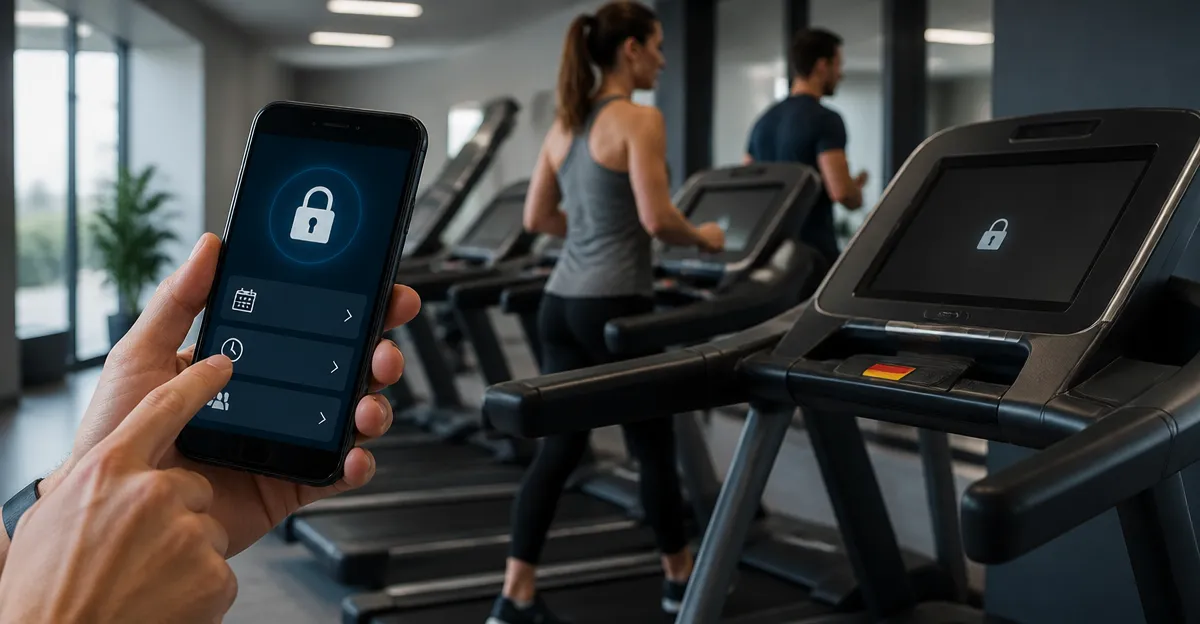
Introduction
One often finds a treadmill in a communal gym, office wellness area, or apartment building. When multiple users share the same equipment, the risk of accidental injury, unauthorized use, or equipment damage increases. This guide explains how to secure shared treadmill access by combining digital app locks, a clear scheduling system, and reliable safety‑key accessories. By following the steps, one will create a safe environment, reduce downtime, and maintain the longevity of the treadmill. The information presented is practical, evidence‑based, and suitable for facility managers, fitness coaches, or homeowners who operate a shared workout space.
What You Will Need
- Smartphone or tablet with the treadmill manufacturer’s app installed.
- Digital lock or app‑based access control (often included with modern treadmills).
- Scheduling software or a shared calendar platform (Google Calendar, Microsoft Outlook, or a dedicated gym‑management app).
- Safety‑key accessories to ensure the treadmill stops immediately when a user is not properly clipped in.
- Basic tools such as a screwdriver (if the safety key requires mounting).
Below are specific safety‑key products that have proven effective for shared environments. The first mention of each product includes a clickable link to the Amazon listing.
Step 1: Install a Magnetic Safety Key
The first physical safeguard is a magnetic safety key that disconnects power when the user removes the key from the treadmill. The ZENGZHIC Safety Key offers a compact, lightweight design that clips to clothing without hindering movement. Its one‑meter cord and 0.7‑inch magnet provide reliable engagement across most treadmill models. Installation involves attaching the magnetic end to the treadmill’s safety socket and clipping the strap to the user’s shirt. One should test the connection by starting the treadmill and then removing the key; the belt should stop within seconds. This immediate stop prevents falls and protects users who may lose balance.
Step 2: Configure the Treadmill’s App Lock
Most modern treadmills include a Bluetooth or Wi‑Fi module that integrates with a companion app. One must create an administrator account and enable the app lock feature. The app lock requires a unique PIN or biometric verification before the treadmill can be powered on. By restricting start‑up to authorized users, the risk of accidental activation is minimized. After enabling the lock, one should synchronize the treadmill’s firmware to ensure the latest security patches are installed. This digital barrier works in tandem with the physical safety key, providing layered protection.
Step 3: Set Up a Shared Scheduling System
Digital scheduling eliminates conflicts and ensures that each user has a dedicated time slot. One can use a shared Google Calendar, assigning a recurring event for each member. Include the user’s name, start time, and expected duration. To reinforce accountability, configure email or push notifications that remind users of their upcoming slot and the requirement to use the safety key. In a high‑traffic environment, consider a color‑coded system where each user’s events appear in a unique hue. This visual cue helps staff quickly identify who is scheduled to use the treadmill at any moment.
Step 4: Integrate Safety Keys with User Permissions
When multiple users share a treadmill, it is essential to associate each safety key with a specific individual. The GWY Safety Key (compatible with most major brands) includes a durable ABS plastic body and a braided rope that resists wear. One can label each key with the user’s name using a waterproof label. During a scheduled session, the user attaches their labeled key to their clothing. If the key is removed or lost, the treadmill will cease operation, and the app will log the interruption, alerting the administrator. This practice reinforces responsibility and provides a clear audit trail.
Step 5: Establish Maintenance and Inspection Routines
Regular inspection of the safety key and the treadmill’s lock mechanism prevents unexpected failures. One should conduct a monthly visual check of the magnet, cord, and clip for signs of wear. The GWY Safety Key (B084VHXP8D) offers a similar construction with an added spring mechanism for smoother attachment and detachment. Replace any key that shows fraying or reduced magnetic strength. Additionally, verify that the app lock firmware is up to date and that the scheduling calendar reflects current user assignments. Documentation of these checks can be stored in a shared drive for transparency.
Tips & Pro Tips
- Use a color‑coded wristband in addition to the safety key to quickly identify who is on the treadmill.
- Enable two‑factor authentication on the treadmill app to prevent unauthorized remote access.
- Consider a backup power‑off switch located near the treadmill for emergency situations.
- When labeling safety keys, use a laser‑etched label rather than adhesive stickers to ensure durability.
- Educate all users on the importance of the safety key and the proper procedure for clipping it to clothing.
Troubleshooting
Problem: The treadmill does not start even after entering the correct app PIN.
Solution: Verify that the safety key is properly attached. If the magnet fails to engage, replace the key with a new Gosknor Safety Key, which features a strong magnet and a fray‑resistant polyester cord. Ensure the treadmill’s safety socket is clean and free of debris.
Problem: Users report that the safety key slips off during vigorous running.
Solution: Select a safety key with a larger clip surface, such as the GCQ Safety Key. Its 1.6‑inch clip provides a broader grip, reducing the likelihood of accidental release.
Conclusion
By integrating a magnetic safety key, configuring an app lock, and implementing a transparent scheduling system, one can secure shared treadmill access effectively. The layered approach protects users from injury, prevents unauthorized use, and extends the equipment’s lifespan. Facility managers who follow this guide will experience fewer interruptions, higher user satisfaction, and a safer workout environment. One is encouraged to adopt these practices promptly and to review the recommended products for optimal performance.
Products Mentioned in This Guide
Frequently Asked Questions
How do app‑based locks control access to a shared treadmill?
The manufacturer’s app authenticates users via their smartphone and unlocks the treadmill only for authorized accounts, logging each session automatically.
What is the most efficient way to schedule treadmill time for multiple users?
Use a shared calendar (e.g., Google Calendar) or gym‑management app to create time blocks, allowing users to book, modify, or cancel slots in real time.
Why should I install safety‑key accessories on a shared treadmill?
Safety keys instantly stop the belt if the user isn’t properly clipped in, reducing injury risk and protecting the equipment from misuse.
Do I need special tools to install a digital lock on a treadmill?
Typically only a screwdriver is required; most modern treadmills include a plug‑and‑play lock module that fits existing hardware.
How can I prevent unauthorized use of a shared treadmill?
Combine app‑based authentication with a scheduling system and require the safety key, ensuring only booked users can power on the machine.