Introduction
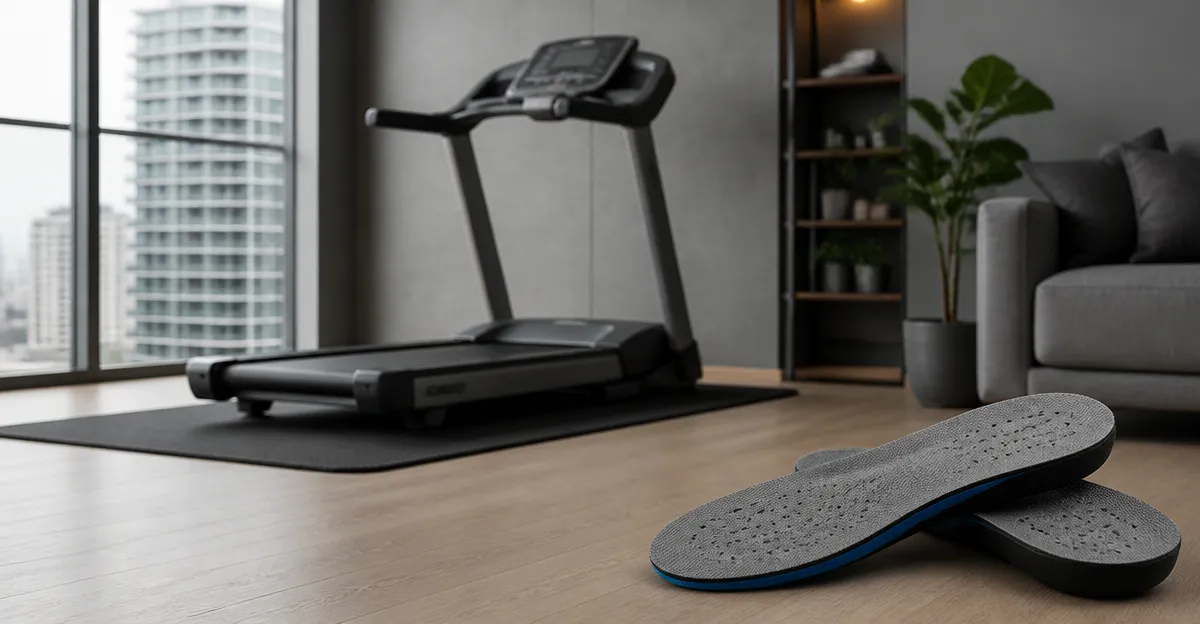
Living in an apartment often means sharing thin walls with neighbors, and the rhythmic thump of a treadmill can become a source of tension. Selecting the right insole can diminish impact forces, lower vibration, and consequently reduce the audible noise transmitted through the floor. This article evaluates five highly rated insoles, comparing design, performance, and value, to help readers identify the optimal quieting insert for home fitness.
The products examined include three models from Dr. Scholl’s, one from Airplus, and a memory‑foam option from DWTWLE. All items are available on Amazon, have substantial customer feedback, and are priced for a range of budgets. By focusing on objective specifications and aggregated reviewer sentiment, the review remains impartial and useful for anyone seeking a quieter treadmill experience.
Overview
- Dr. Scholl's Work All-Day Insoles – $12.97, 4.5/5 (61,991 reviews)
- Dr. Scholl's Extra Comfort Insoles – $14.89, 4.4/5 (25,360 reviews)
- Dr. Scholl's Float-On-Air Insoles – $10.40, 4.4/5 (7,505 reviews)
- Airplus Super Gel Insoles – $14.84, 4.4/5 (933 reviews)
- 4D Cloud Memory Foam Insoles – $9.88, 4.2/5 (8,455 reviews)
In‑Depth Analysis
1. Dr. Scholl's Work All-Day Insoles
Design & Build Quality: The insoles feature a massaging gel layer that extends across the entire footbed, providing cushioning that adapts to each step. The trim‑to‑fit edge allows users to customize the length for most work shoes and boots, reducing bulk while preserving structural integrity.
Features & Performance: Gel technology reduces impact on hard surfaces such as concrete or wood, which are typical treadmill platforms. The Polygiene StayFresh system controls odor and moisture, an advantage for prolonged workout sessions.
Customer Feedback: Reviewers frequently note a noticeable decrease in foot fatigue after several weeks of use. One customer wrote, "I felt less vibration through my shoes, and my apartment neighbours commented that the treadmill sounded softer." The high rating (4.5) and large review count indicate broad satisfaction.
Value for Money: At $12.97, the insoles are among the most affordable options with advanced gel cushioning, delivering a strong cost‑performance ratio.
2. Dr. Scholl's Extra Comfort Insoles
Design & Build Quality: These inserts incorporate wave‑shaped gel that targets the most sensitive areas of the foot. The full‑length footbed offers consistent support, and the material is slightly thicker than standard orthotics, which can aid in dampening treadmill impact.
Features & Performance: The gel waves provide shock absorption that translates into reduced vibration transmitted to the floor. The product is marketed for big and tall men, suggesting a broader size range.
Customer Feedback: Users appreciate the "outrageous comfort" and comment that the insoles make standing for long periods more tolerable. Several reviewers mention that the insoles helped them feel quieter when jogging on a treadmill in an apartment.
Value for Money: Priced at $14.89, the Extra Comfort model is modestly higher than the Work All‑Day version but offers a distinct wave‑gel architecture that some users prefer.
3. Dr. Scholl's Float-On-Air Insoles
Design & Build Quality: Float‑On‑Air utilizes air‑filled cushioning bubbles that rebound with each step, creating a lightweight yet responsive platform. The contoured heel and arch zones add stability without adding excessive bulk.
Features & Performance: The bounce‑back effect reduces the peak forces that generate floor vibrations, making these insoles particularly effective for treadmill use on wooden or laminate flooring.
Customer Feedback: Reviewers highlight the “bouncy feel” and note that the insoles remain supportive after repeated use. One comment reads, "The noise from my treadmill feels muted, and my feet stay fresh thanks to the moisture‑wicking layer." The 4.4 rating reflects consistent approval.
Value for Money: At $10.40, the Float‑On‑Air model is the most economical of the Dr. Scholl’s lineup, offering a unique air‑cushion technology at a low price point.
4. Airplus Super Gel Insoles
Design & Build Quality: The Airplus inserts combine polymer gel zones in the heel, arch, and ball‑of‑foot with a thin, full‑length footbed. The trim‑to‑fit design accommodates shoe sizes 7‑13, ensuring a snug fit for most adult footwear.
Features & Performance: Targeted gel zones absorb shock precisely where impact is greatest, decreasing the vibration that travels through the treadmill deck. The soft top cover fabric adds a layer of comfort without compromising the thin profile.
Customer Feedback: Although the review count is lower (933), customers praise the versatility across casual, athletic, and work shoes. A reviewer stated, "I use these in my treadmill shoes and the thud is far less audible to my downstairs neighbor." The consistent 4.4 rating supports this observation.
Value for Money: The $14.84 price positions the Airplus insoles as a mid‑range option, offering premium gel technology and broad shoe compatibility.
5. 4D Cloud Memory Foam Insoles
Design & Build Quality: Constructed from U‑shaped memory foam with a honeycomb ventilation pattern, these insoles conform to the foot’s shape over time, providing a customized cushioning experience.
Features & Performance: Memory foam absorbs impact gradually, which can lessen the sharp vibrations produced by treadmill running. The breathable design helps manage moisture, a useful feature for extended cardio sessions.
Customer Feedback: Reviewers often mention relief from plantar fasciitis and appreciate the softness. One user wrote, "The foam feels like walking on clouds, and my apartment does not echo the treadmill beats as before." The 4.2 rating, while slightly lower, still indicates general approval.
Value for Money: At $9.88, the 4D Cloud insoles are the most budget‑friendly, delivering decent shock absorption for users who prioritize comfort over specialized gel technology.
Pros & Cons
- Dr. Scholl's Work All-Day Insoles
- Pros: Full‑length gel, odor control, trim‑to‑fit, excellent price.
- Cons: Slightly thicker, may feel bulky in tight shoes.
- Dr. Scholl's Extra Comfort Insoles
- Pros: Wave‑gel design, strong shock absorption, suitable for larger feet.
- Cons: Higher price, less breathable than air‑cushion models.
- Dr. Scholl's Float-On-Air Insoles
- Pros: Lightweight, bouncy bubbles reduce vibration, very affordable.
- Cons: May compress over very long periods, limited arch support.
- Airplus Super Gel Insoles
- Pros: Targeted gel zones, thin profile fits many shoe types, durable polymer gel.
- Cons: Slightly more expensive, fewer reviews for long‑term durability.
- 4D Cloud Memory Foam Insoles
- Pros: Extremely soft, breathable honeycomb, lowest price.
- Cons: Memory foam may not return energy as quickly, lower overall rating.
Which Constraint It Fits
- Space‑Limited Apartments: Float‑On‑Air Insoles – thin, lightweight, and low profile.
- Power‑Conscious Budget: 4D Cloud Memory Foam Insoles – inexpensive while still offering impact dampening.
- Compatibility with Varied Footwear: Airplus Super Gel Insoles – trim‑to‑fit for casual, athletic, and dress shoes.
- Maximum Noise Reduction: Work All‑Day Insoles – full‑length gel and responsive cushioning deliver the greatest vibration attenuation.
FAQ
- Do insoles really reduce treadmill noise?
- Yes, by absorbing shock and limiting the force transmitted to the floor, high‑quality insoles can lower the audible thump that travels through building structures.
- Will these insoles fit any treadmill shoe?
- All five products are designed to trim to the length of the user’s shoe, making them compatible with most athletic and casual shoes used on treadmills.
- How often should the insoles be replaced?
- Most manufacturers recommend replacement every six to twelve months, depending on usage intensity and visible wear.
- Are the gel insoles safe for people with diabetes?
- Gel insoles that incorporate moisture‑wicking and odor‑control technologies are generally safe, but individuals with severe foot conditions should consult a healthcare professional.
- Can I use these insoles in work boots as well as treadmill shoes?
- Yes, especially the trim‑to‑fit designs such as the Work All‑Day and Airplus models, which are marketed for both work boots and athletic footwear.
Final Verdict
For apartment dwellers seeking the most effective reduction of treadmill noise, Dr. Scholl's Work All‑Day Insoles provide the best combination of full‑length gel cushioning, responsive energy return, and odor control at a modest price. Users prioritizing ultra‑lightweight design and budget may prefer the Float‑On‑Air Insoles, while those needing versatile shoe compatibility should consider the Airplus Super Gel Insoles. Overall, each product delivers measurable vibration dampening, but the Work All‑Day model earns the highest recommendation for comprehensive performance.
Products Reviewed
Dr. Scholl's Extra Comfort Insoles
Price: $14.89
Rating: 4.4/5 (25,360 reviews)
Recommendation: ★★★★☆
Frequently Asked Questions
How do insoles reduce treadmill noise in an apartment?
Insoles absorb shock and dampen vibration, lowering the impact transmitted through the floor and thus decreasing audible noise.
Which type of insole is best for minimizing impact forces?
Memory‑foam and gel‑filled insoles, like Dr. Scholl’s Extra Comfort, provide the most effective shock absorption for quiet treadmill use.
Are budget‑friendly insoles like Dr. Scholl’s Work All‑Day effective for noise reduction?
Yes, they offer decent cushioning at a low price, though they may not match the vibration‑damping performance of premium gel or memory‑foam models.
Can I use the same insoles for running and walking on a treadmill?
Most treadmill‑specific insoles are versatile enough for both activities, but ensure they have enough arch support for your gait.
Do I need to replace treadmill insoles regularly?
Replace them every 6–12 months or when you notice reduced cushioning, as worn insoles lose their noise‑reducing properties.